Threats to Sharks Along the Jersey Shore
A juvenile Great white shark (Carcharodon carcharias) swimming in the Atlantic Ocean off the Jersey Shore.
Globally, overfishing and human activities kill roughly 100 million sharks every year, threatening over a third of all shark and ray species with extinction.
Along the Jersey Shore the primary threats to sharks include:
illegal fishing by recreational fishermen,
bycatch by commercial fishing,
climate change that is warming coastal nursery habitats for sharks, and
coastal habitat loss in back bays and estuaries from human development and activities.
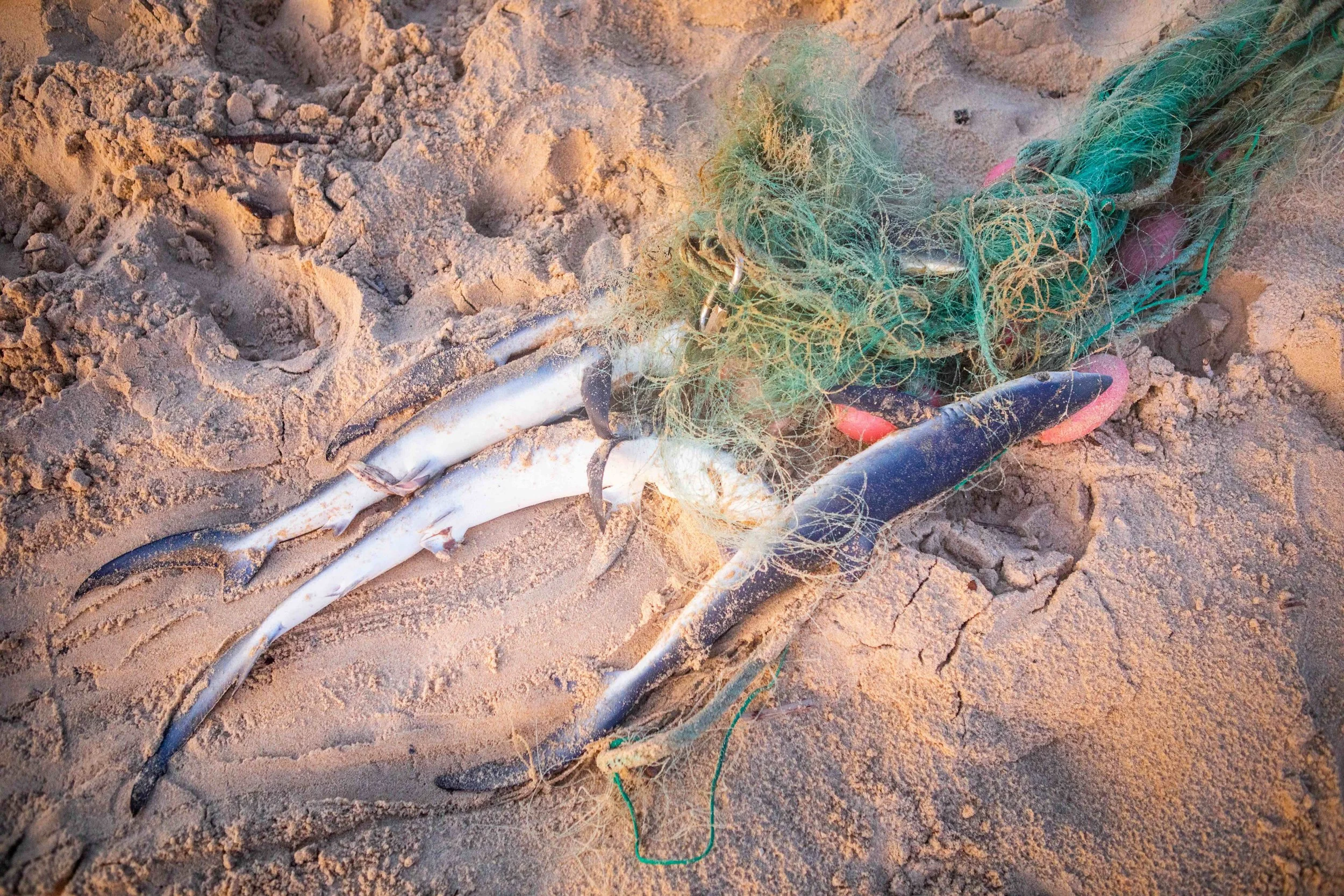
In addition, ghost gear* kills unknown countless populations of sharks every year by trapping them in invisible or discarded nets and lines, causing them to die from exhaustion, suffocation, or starvation.
*Ghost gear is any fishing equipment—such as nets, lines, ropes, traps, pots, and floats—that has been abandoned, lost, or discarded in the ocean or other aquatic environments.
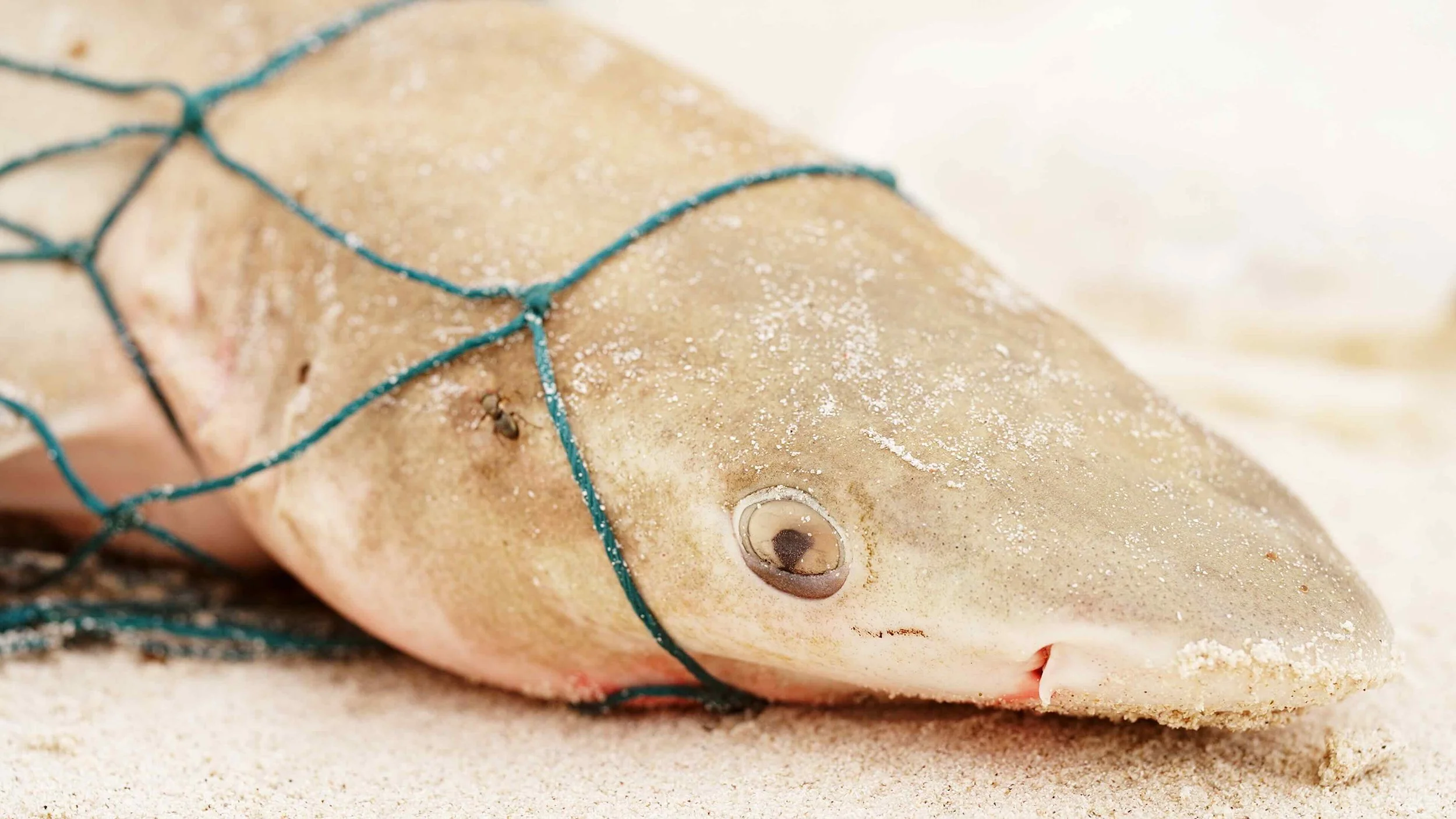
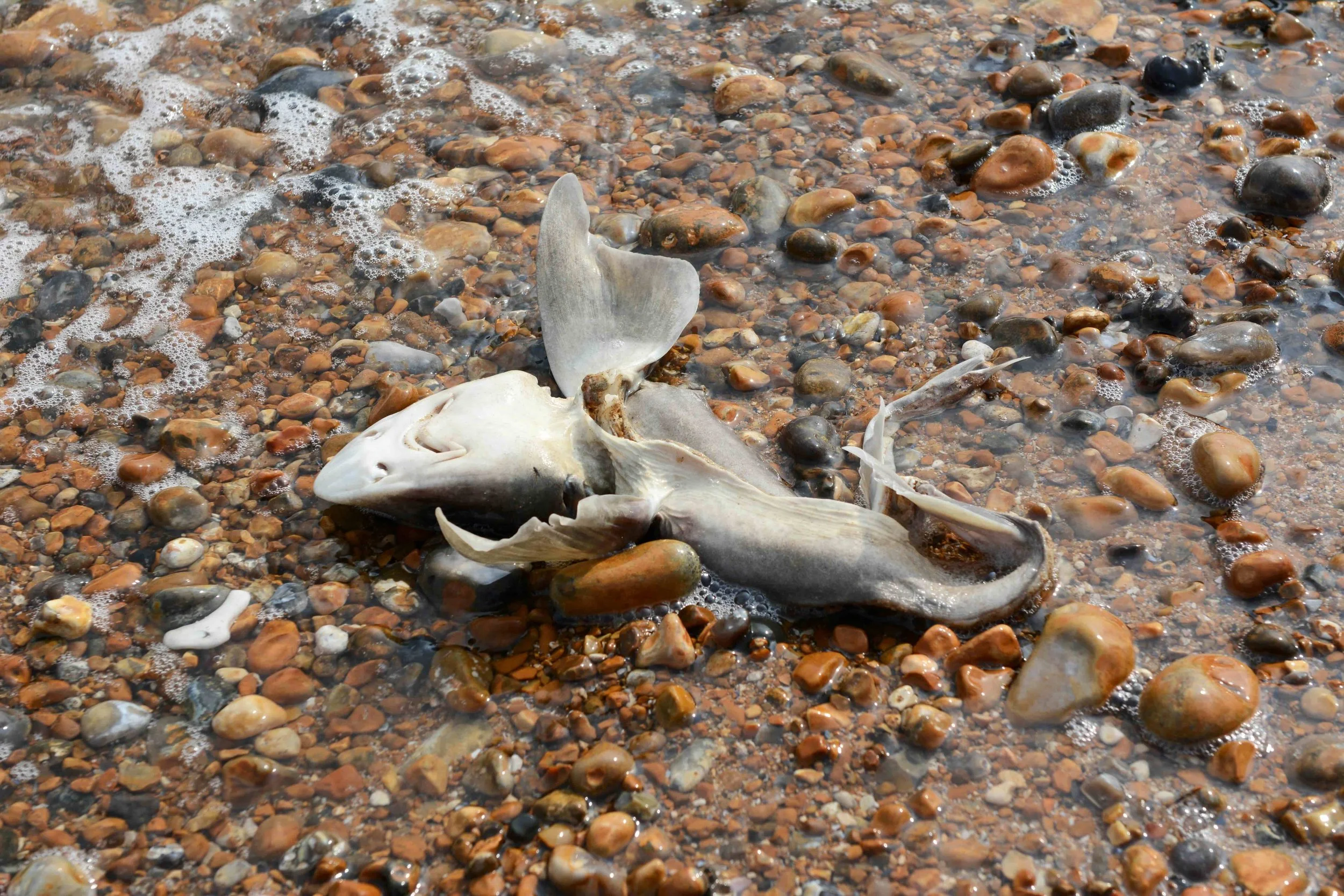
A close-up of a dead shark found on the beach in ghost gear - a discarded fishing net.
Why Sharks Are Important To Protect?
Sharks are essential apex predators that maintain the health and balance of marine ecosystems, and help regulate the global carbon cycle.
As top predators, sharks control prey populations. This stops smaller predators from overgrazing plant-eating fish, which keeps algae from smothering aquatic resources like coral. The presence of sharks in the water can cause fear and scare populations of grazer fish onto sea plants and clam beds. This keeps plant and shellfish eating fish and other sea animals moving so they do not overeat fragile aquatic ecosystems. By removing or decreasing shark populations it disrupts the food chain. Without sharks, smaller predators overgraze on vital marine life, which can collapse entire habitats.
Healthy aquatic ecosystems like wetlands and seagrass meadows can absorb carbon dioxide much faster than land forests. Sharks protect these carbon sinks by keeping herbivorous animal populations in check. Shark bodies also naturally store high amounts of carbon (10% to 15% of their mass). When they die and sink to the ocean floor, they trap that carbon away from the atmosphere
Another benefit of sharks is by helping to stop disease in the water and keeping populations of fish strong and healthy. Sharks cull sick, weak, or old fish. This prevents diseases from spreading and stops mid-level predator species from overpopulating.
Furthermore, because sharks are sensitive to pollution and habitat loss, seeing them often means the water quality and food supply are still stable enough to support a diversity of life.
While humans could physically survive for a short time without populations of sharks in the ocean, the collapse of marine ecosystems that follows would eventually threaten human life on Earth.
Most sharks grow slowly, mature late, and have very few babies. This makes fishing and especially overfishing devastating to their numbers.
We need to keep shark populations along the Jersey Shore healthy, vibrant and strong. They are the key to a healthy ocean and all life on Planet Earth!
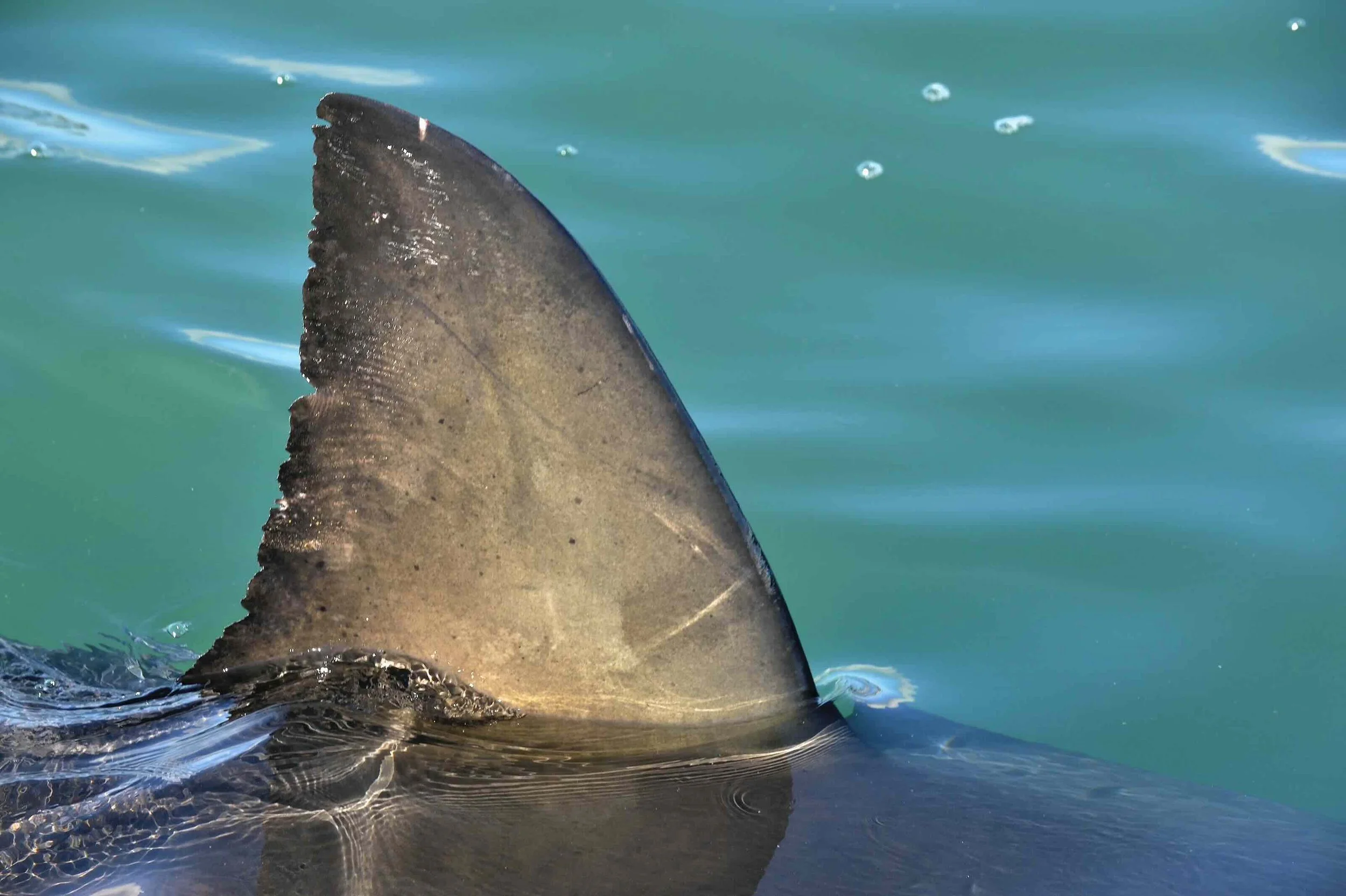
Shark Fishing is on the rise along the Jersey Shore.
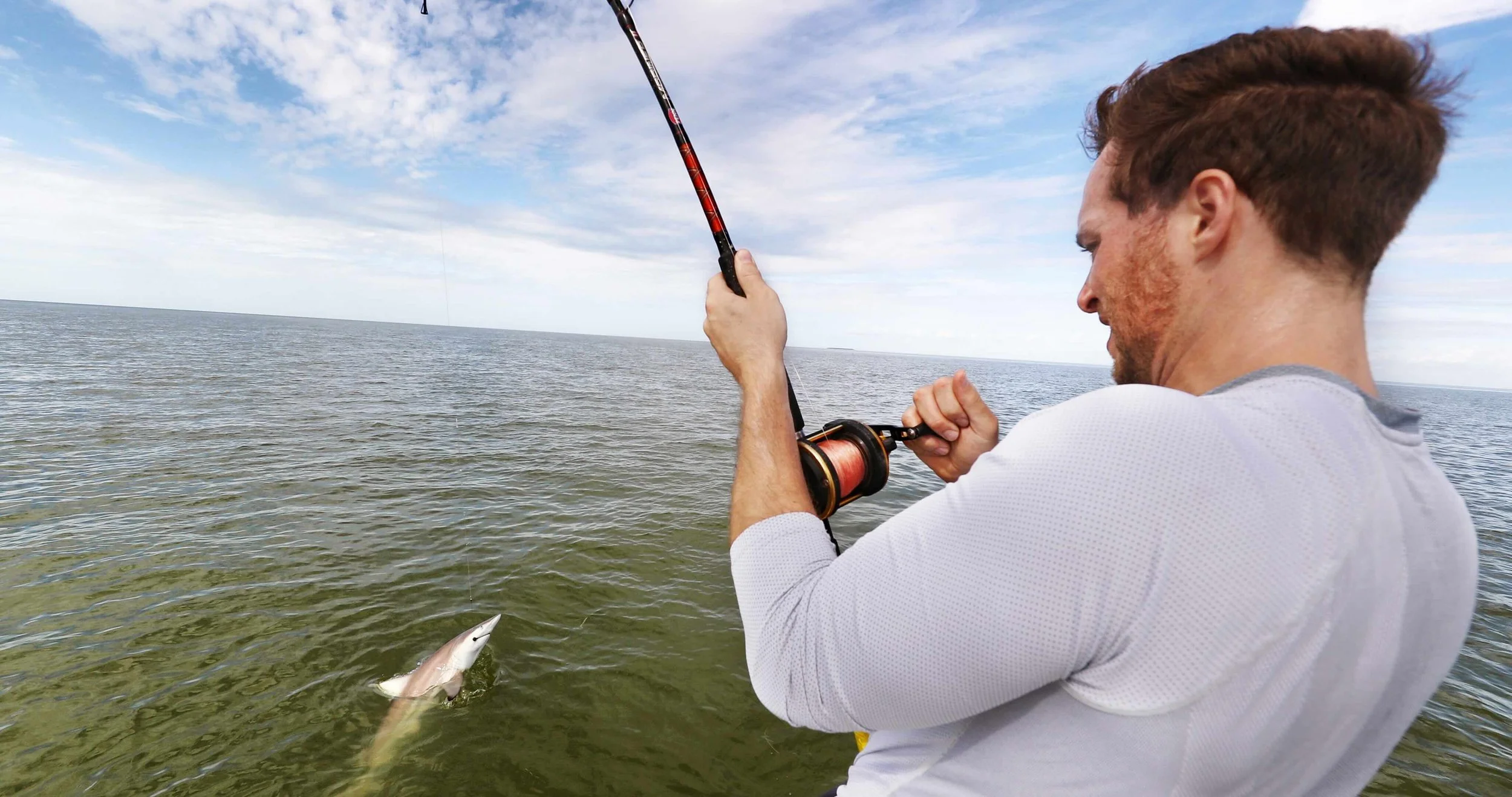
Recreational shark fishing is on the rise in New Jersey, driven primarily by a social media trend where anglers catch apex predators to pose for photos.
While land-based shark fishing itself is legal and highly regulated, local authorities are strictly cracking down on illegal drone-assisted baiting methods that pull large sharks dangerously close to crowded public swimming areas.
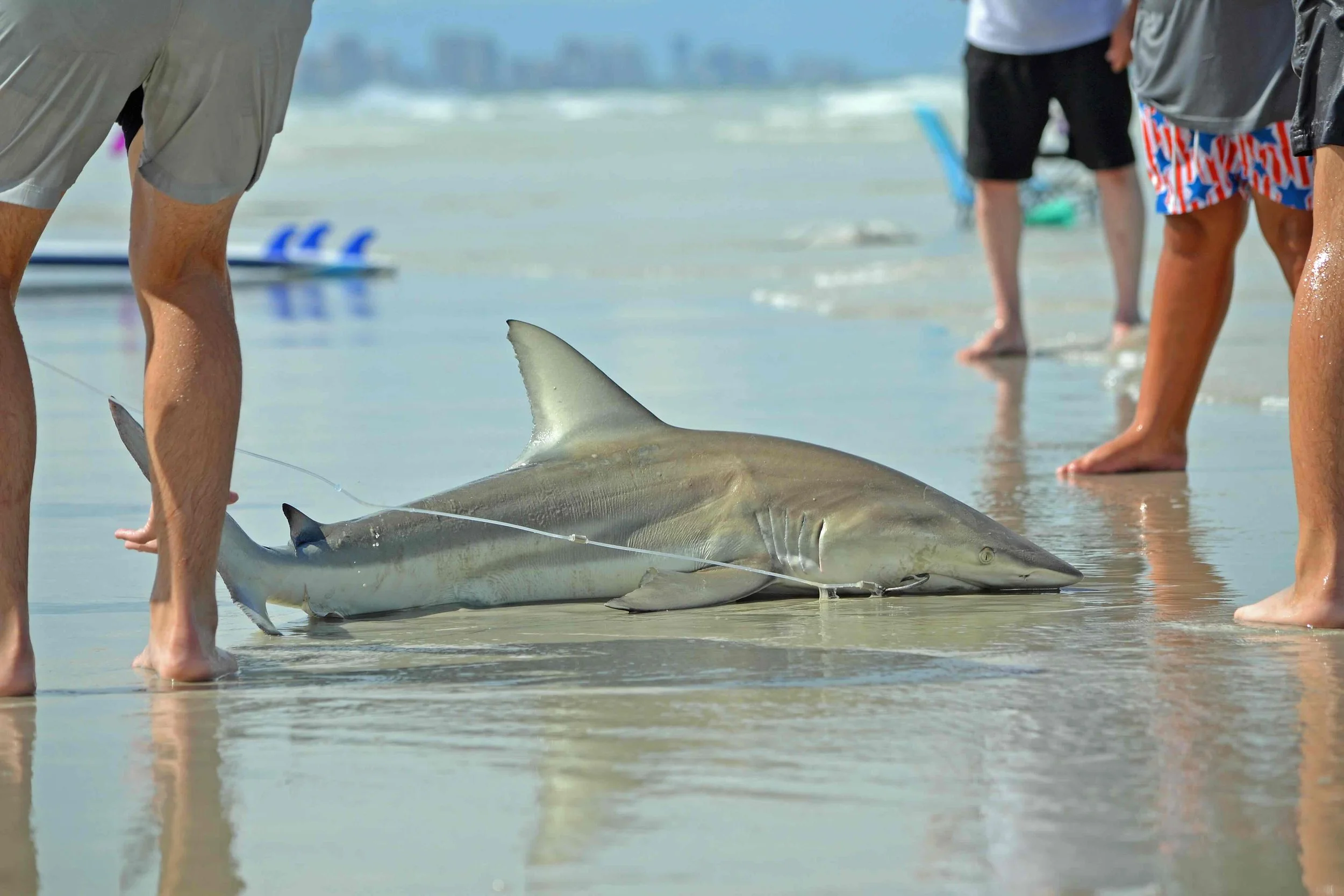
The Illegal Element: Drone Baiting:
Fishermen along the Jersey Shore in 2026 have increasingly used unmanned aircraft systems (drones) to drop chum, hooks, and heavy fishing lines far off the beach into deeper waters.
This is illegal! Under New Jersey State Statute N.J.S.A. 2C:40-28(d), it is strictly illegal to use a drone to take or assist in the taking of wildlife. Violators face a disorderly persons offense carrying up to six months in jail and a $1,000 fine.
NJ Shore towns like Bay Head and Mantoloking have issued urgent public safety bans explicitly targeting this trend.

What’s the problem with drone shore-based shark catching along the Jersey Shore?
Dropping bait right off the coast lures massive predators—including bull sharks and tiger sharks—into shallow areas where people are actively swimming and surfing.
Viral videos, such as an 8.5-foot, 350-plus-pound bull shark being dragged onto a beach for photos, have forced mayors to voice concerns over potential "Jaws-like" attack risks along the coast.
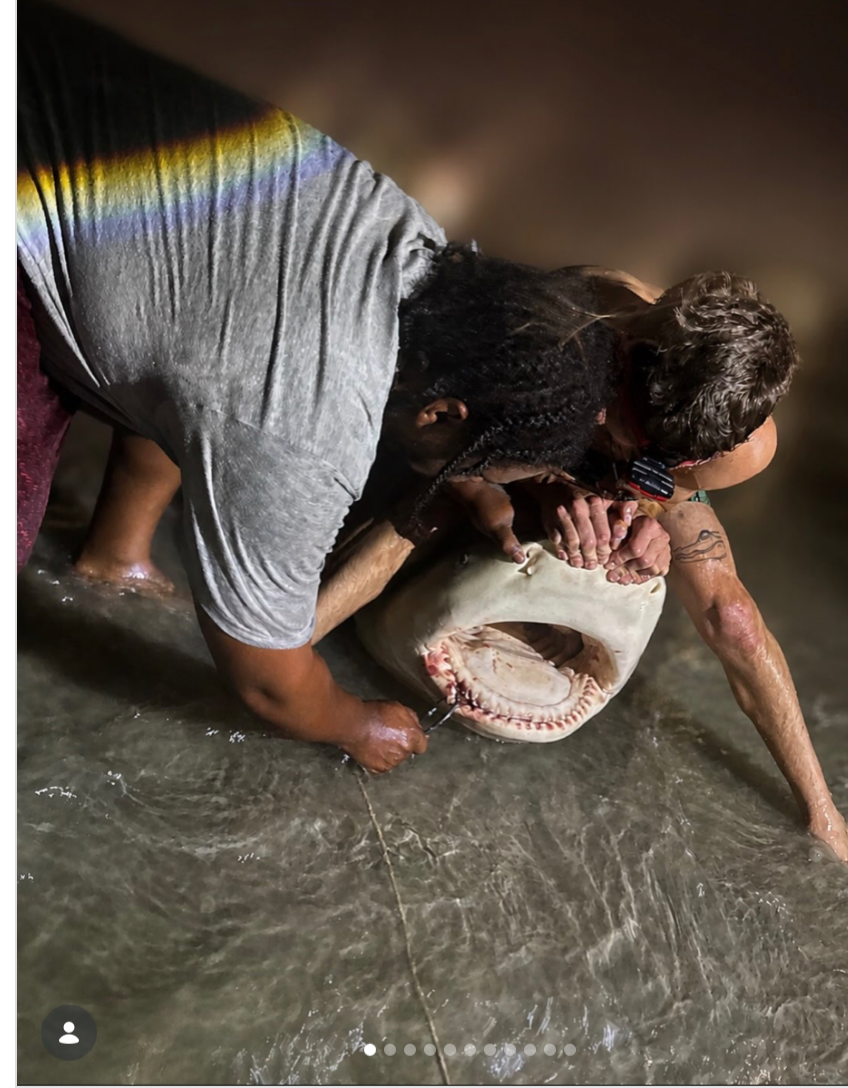
Photo from Instagram.
Strictly Prohibited Shark Species in New Jersey!
New Jersey enforces a strict zero-possession limit for many vulnerable species. If you accidentally hook one of these, you must release it immediately while keeping it in the water:
Sand Tiger sharks
Sandbar sharks
Dusky sharks
Great White sharks
Shortfin and Longfin Mako sharks
Thresher, Basking, and Atlantic Angel sharks.
The New Jersey Department of Environmental Protection's Fish and Wildlife Division has issued reminders that many shark species are legally protected, and improper handling on the sand can cause fatal stress or injury to the animals
To legally fish for sharks in New Jersey, you must obtain the proper documentation before hitting the water:
NJ Saltwater Recreational Registry: You must register through the NJ Saltwater Recreational Registry Program, which is free for individual saltwater anglers.
NOAA HMS Angling Permit: If you are fishing from a boat, the vessel must hold a valid Highly Migratory Species (HMS) Angling Permit.
Shark Endorsement: Boat-based anglers must complete an online shark identification quiz to add a mandatory "Shark Endorsement" to their federal permit.
Shore-Based Restriction: Note that federal HMS permits cover vessels; the NJDEP Highly Migratory Species Guidelines explicitly state that keeping regulated federal HMS species from the shore is illegal.
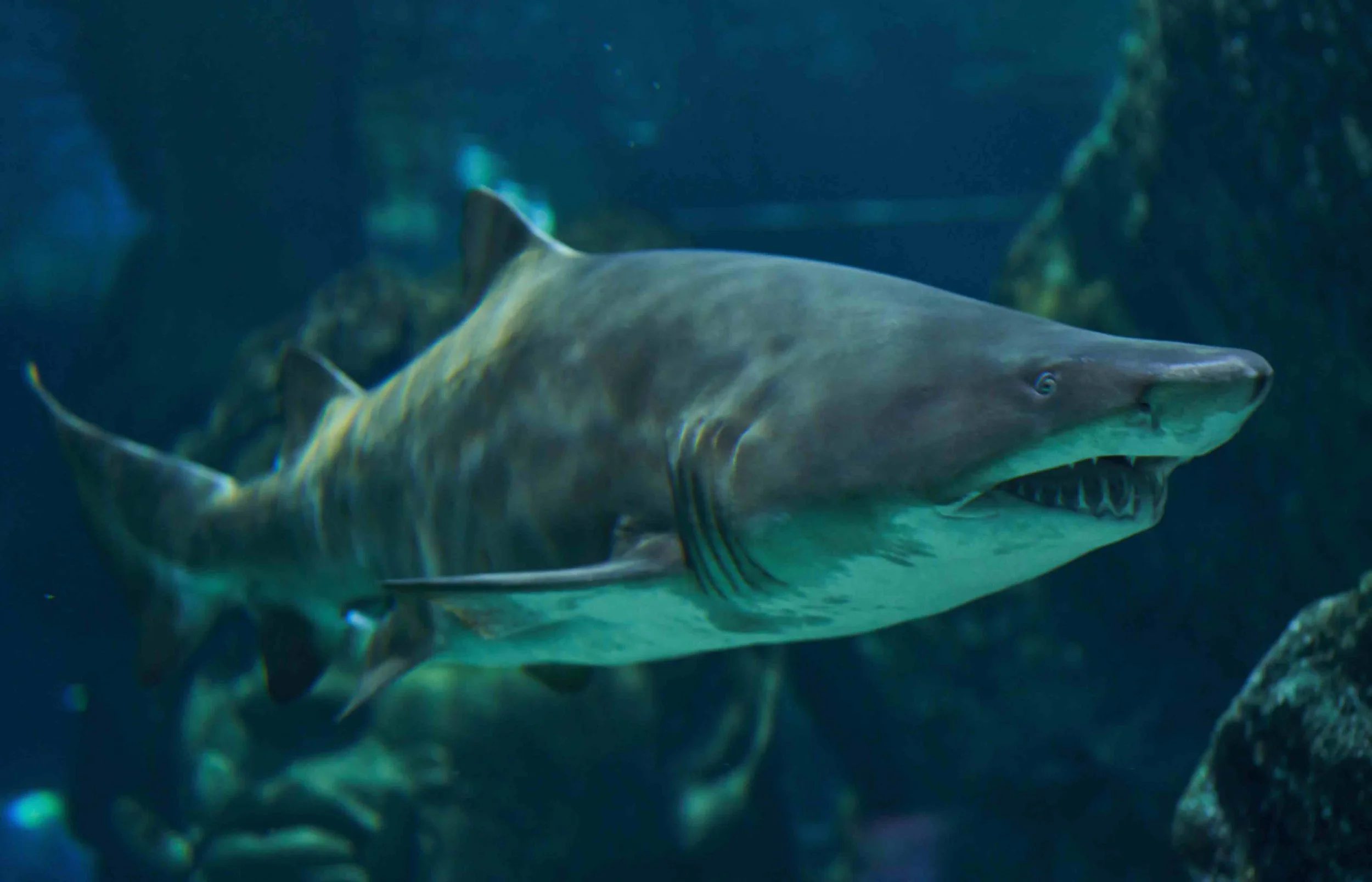
A sand tiger shark (Carcharias taurus).
HEY, RECREATIONAL FISHERMEN!
STOP KILLING DOGFISH!!
Smooth dogfish or the dusky smooth-hound (Mustelus canis), also called the dog shark, is a species of houndshark in the family Triakidae. This shark is an olive grey or brown in color, and may have shades of yellow or grayish white. On average, smooth dogfish are about 48 in long.
Females live to 16 years and males have a lifespan of 10 years. Females give birth to between four and 20 pups, but only every 4.5 to 14 years.
Because of their late maturation, low fecundity, and restricted distributions, they are very vulnerable to overfishing.
Yet, every year along the Jersey Shore, some anglers target or catch dogfish and improperly leave them on the beach to die!
Recreational surf-fishing men when they catch a dogfish or skate will carelessly leave it on the sand to bleed-out and die out of frustration or ignorance, just because the small fish ate their bait.
Some recreational fishermen kill dogfish and skates on the beach because they view them as unwanted nuisance "trash fish" that steal cut bait or get caught accidentally in their line. Anglers targeting game fish view dogfish and skates as pests that take bait off their hooks. As retaliation, irresponsible fishermen will throw live dogfish and skates onto the sand to die out of frustration or malice.
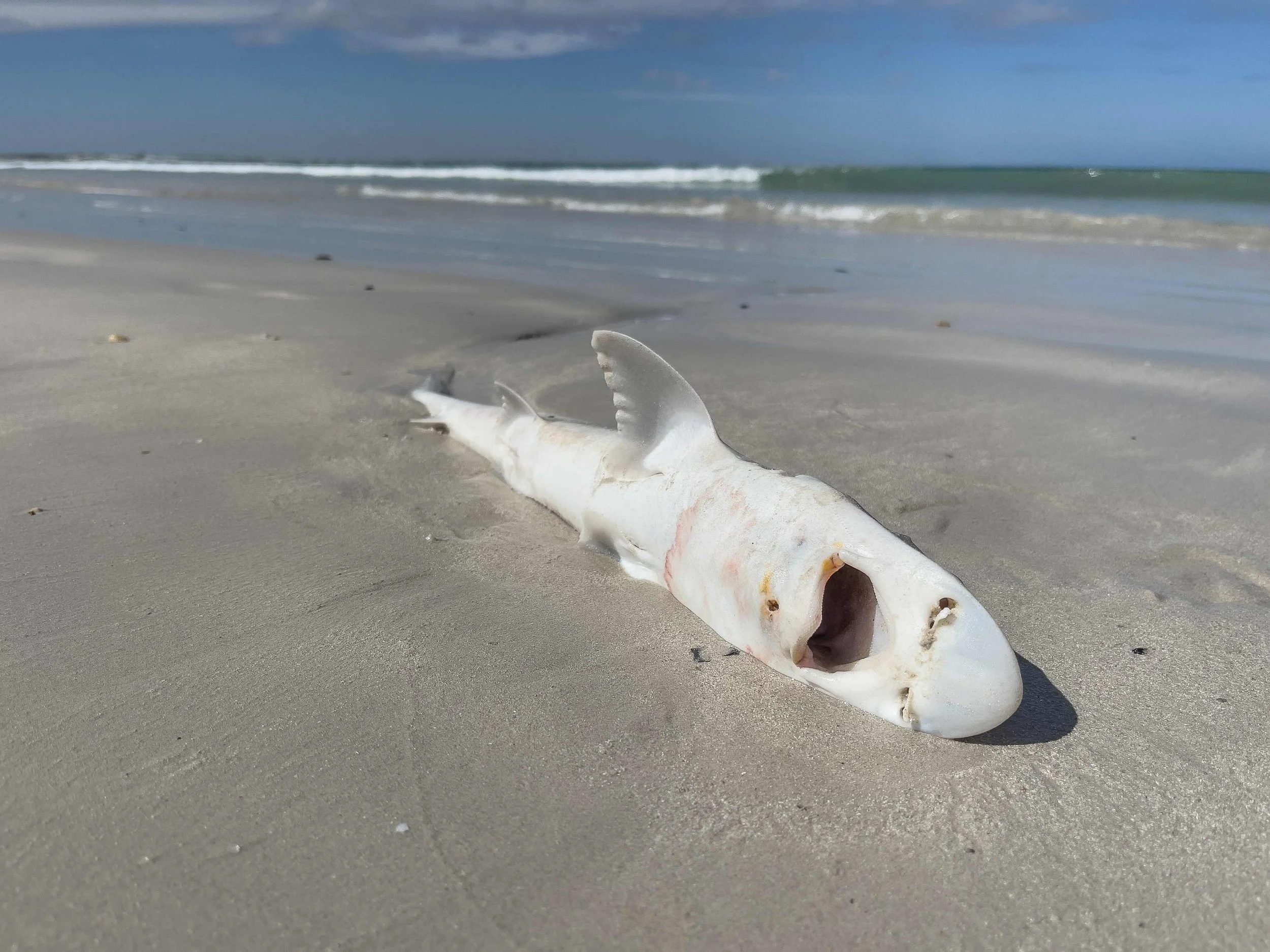
Dogfish sharks are important to the environment!
We need to protect them, not kill dogfish!
Dogfish act as key mid-level and keystone predators that help maintain a balanced and healthy marine food web.
As active hunters, dogfish feed on squid, crustaceans, jellyfish, and smaller schooling fish, preventing any single species from overpopulating. By regulating the numbers of smaller marine life, they stabilize the flow of energy and resources through coastal ecosystems.
Dogfish also serve as an important food source for larger predators, including larger sharks and seals, linking lower trophic levels to apex predators.
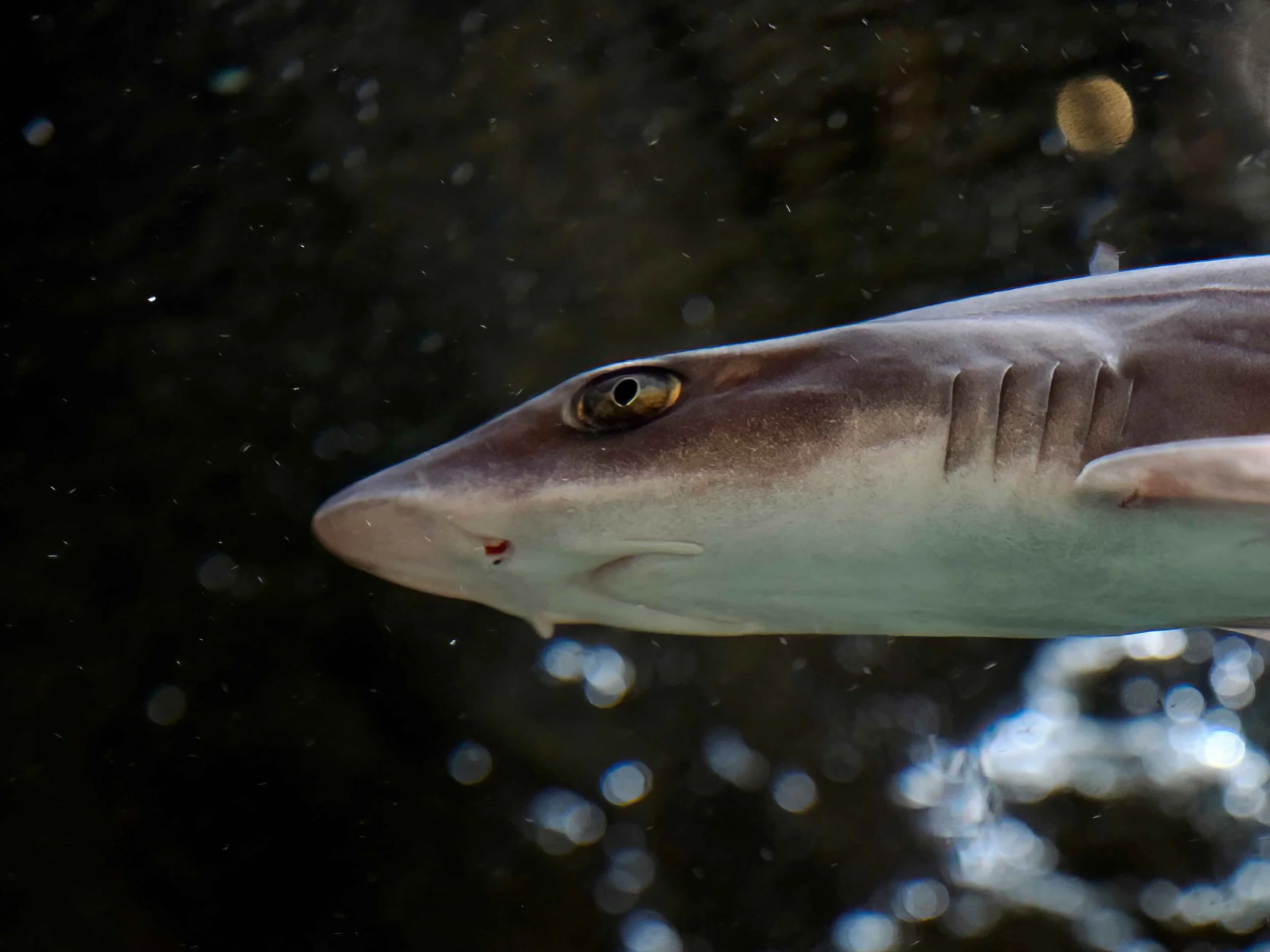
Bycatch is Killing Sharks Along The Jersey Shore!
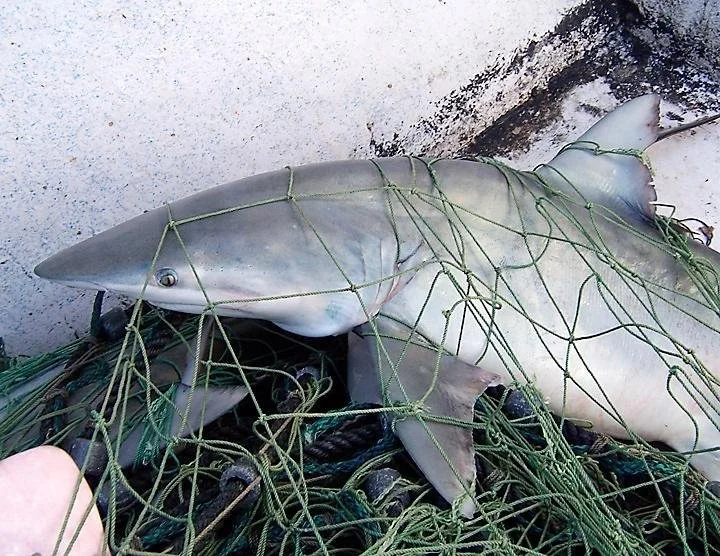
A shark caught as bycatch in a gillnet. Photo from Wikipedia
Bycatch—the accidental capture of non-target species in commercial fishing gear—kills approximately 100 million sharks every year globally.
Along the Jersey Shore, Smooth hound and dogfish sharks frequently travel in large schools, making them frequent accidental bycatch. Recent incidents, such as nearly 30 dead dogfish washing ashore in Sea Isle City in August 2026, highlight concerns over accidental capture from bycatch. The sharks were most likely caught by commercial fishermen in one of their big nets, but the dogfish weren't what fishermen were looking for, and so the sharks got discarded and dumped back into the ocean where they washed up dead on the beach.
Thresher sharks, blue, Oceanic whitetip, silky, and hammerhead sharks also face severe population declines due to bycatch from commercial fishing.
Main Gear Types Causing Harm
Longlines: Commercial fishermen deploy billions of hooks annually on fishing line, accounting for up to 40% of bycatch in certain areas of the Northeast and causing high immediate mortality. Along the Jersey Shore, longline fishing primarily catches deep-water bottom-dwelling species like Golden Tilefish and Blueline Tilefish, as well as open-ocean pelagic species such as tuna, and swordfish. Golden and blueline tilefish are heavily targeted along the outer continental shelf and canyons off Cape May and southern New Jersey using bottom longlines.
Gillnets: Cause rapid suffocation and extremely high death rates for entangled sharks. Gill net fishing along New Jersey primarily catches bottom-dwelling and migratory coastal species like monkfish, skate, smooth dogfish, and spiny dogfish. Commercial gill-netting operations—such as those operating out of Viking Village in Barnegat Light — commonly run several hundred feet in length. Their depth may be from ten to forty feet or so. They are “set” to intercept fish during their normal migrations, either along the shore or as they move in and out. Depending on the species sought, gillnets can be fished on the bottom, at the surface or anywhere in the water column.
Trawls: Indiscriminately scoop up mega-tons of marine life, destroying bottom habitats and catching non-target species. Trawl fishing along New Jersey's coast primarily catches bottom-dwelling fish, squid, and crustaceans living on or near the ocean floor. Trawl nets towed from Sandy Hook to Cape May encounter a wide variety of marine life including:
Fluke and Flounder: Highly sought-after commercial flatfish found flat against the sandy seabed.
Skates and Rays: By weight, species like little skates, clearnose skates, winter skates, and bullnose rays make up the largest portion of total trawl catches.
Dogfish: Small coastal sharks frequently caught in large bulk quantities.
Squid: A major target for commercial trawlers, particularly out of southern ports like Cape May and Wildwood.
Silver Hake (Whiting) and Mackerel: Common mid-Atlantic finfish targeted in commercial hauls.
Why is Bycatch bad for shark populations?
All species of sharks take a long time to reach sexual maturity, and when they finally do reproduce, females have very few offspring every 1-3 years. This is unlike many other fish species that are hunted by commercial fishermen that produce millions of eggs. Sharks produce very few pups and have long pregnancy periods making it impossible for populations to bounce back at the rate they are being killed. Sharks also take many years to reach maturity.
Sharks simply cannot replenish population numbers once they are hunted or caught as bycatch commercially. This is why bycatch is driving severe global population declines of many shark species. Even when sharks are discarded back into the ocean, hooked or entangled sharks often suffer severe internal injuries, suffocation, or stress that leads to death.
Sharks have evolved to be apex predators and to hunt, not to be hunted!!
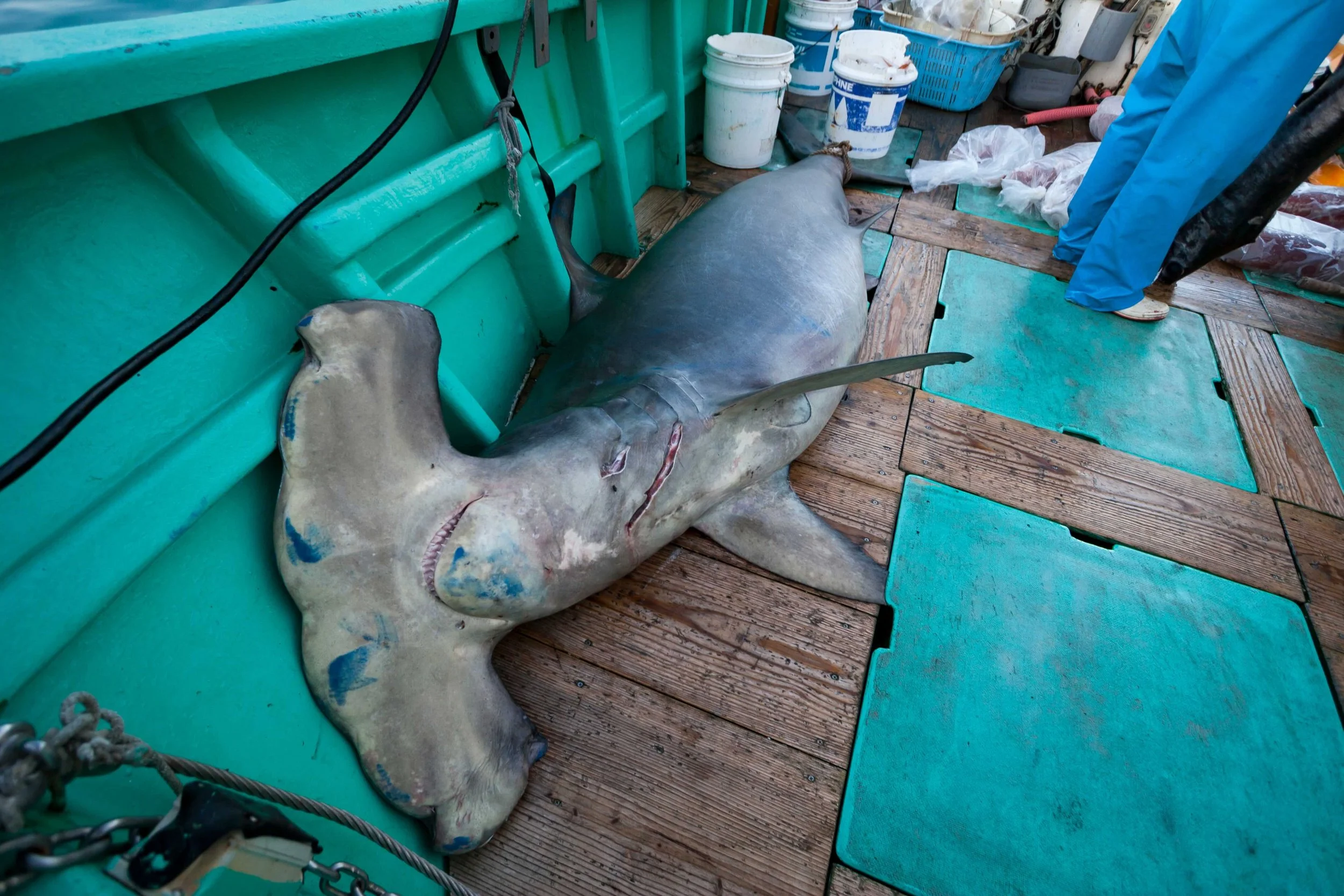
GHOST GEAR IS KILLING SHARKS!
Ghost gear kills sharks by trapping them in invisible or hard-to-see nets and lines, leading to exhaustion, suffocation, or starvation.
Ghost gear is any fishing equipment—such as nets, lines, ropes, traps, pots, and floats—that has been abandoned, lost, or discarded in the ocean, estuary or wetland. Also known as derelict fishing gear or ALDFG (abandoned, lost, or discarded fishing gear), this equipment lingers in the water and poses major environmental problems for wildlife.
The gear continues to do what it was designed to do—trap and kill marine life—without human control or monitoring. Animals like fish, sharks, sea turtles, marine mammals, and seabirds become entangled or trapped and die from exhaustion or suffocation.
Because modern fishing gear is made of durable, resilient plastics designed to withstand harsh ocean conditions, it can continue trapping wildlife for decades.
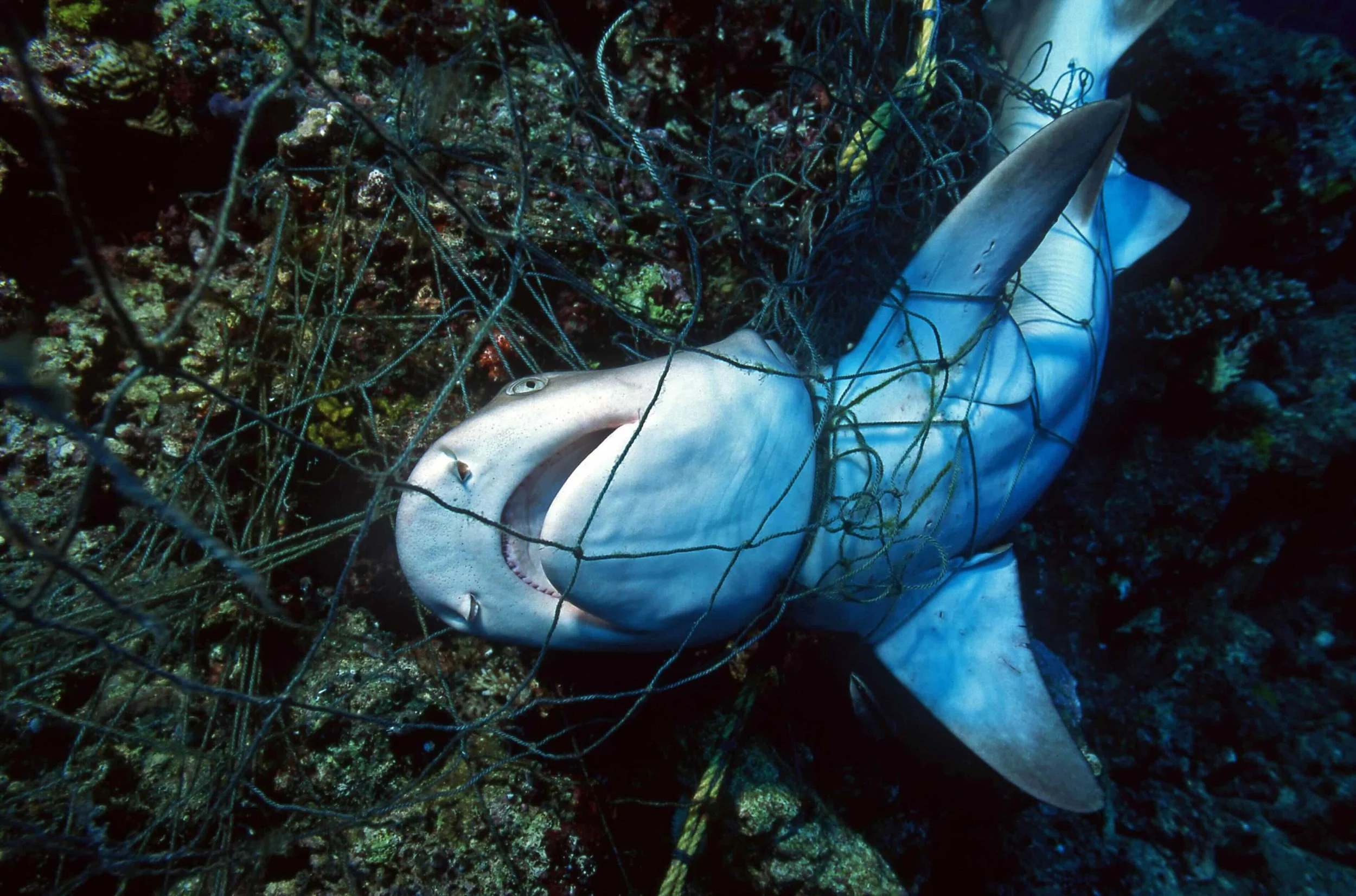
Sharks swim into lost or abandoned nylon nets and lines. The synthetic mesh wraps tightly around their bodies, gills, or fins.
Many shark species must keep swimming forward to push oxygen-rich water over their gills. When a ghost net stops a shark from moving, it suffocates the poor animal.Tight lines cut deep into the skin and flesh. This causes open wounds, infections, or the loss of fins.
In addition, entangled sharks cannot chase or catch prey. This leads to slow starvation.
Dead animals trapped in ghost gear attract scavenging predators like sharks, pulling more animals into the deadly trap, which continue the deadly cycle.
Global Warming and Habitat Loss are Stressing & Changing there Lives of Sharks Along the Jersey Shore!
Shark sightings and activity are up along parts of the Northeast and the Jersey Shore, WHY???
Rising ocean temperatures and shifts in prey availability are allowing southern shark species, such as bull sharks, lemon sharks, and blacktip sharks, to visit New Jersey coastal waters more frequently or change migration patterns to arrive earlier and stay longer.
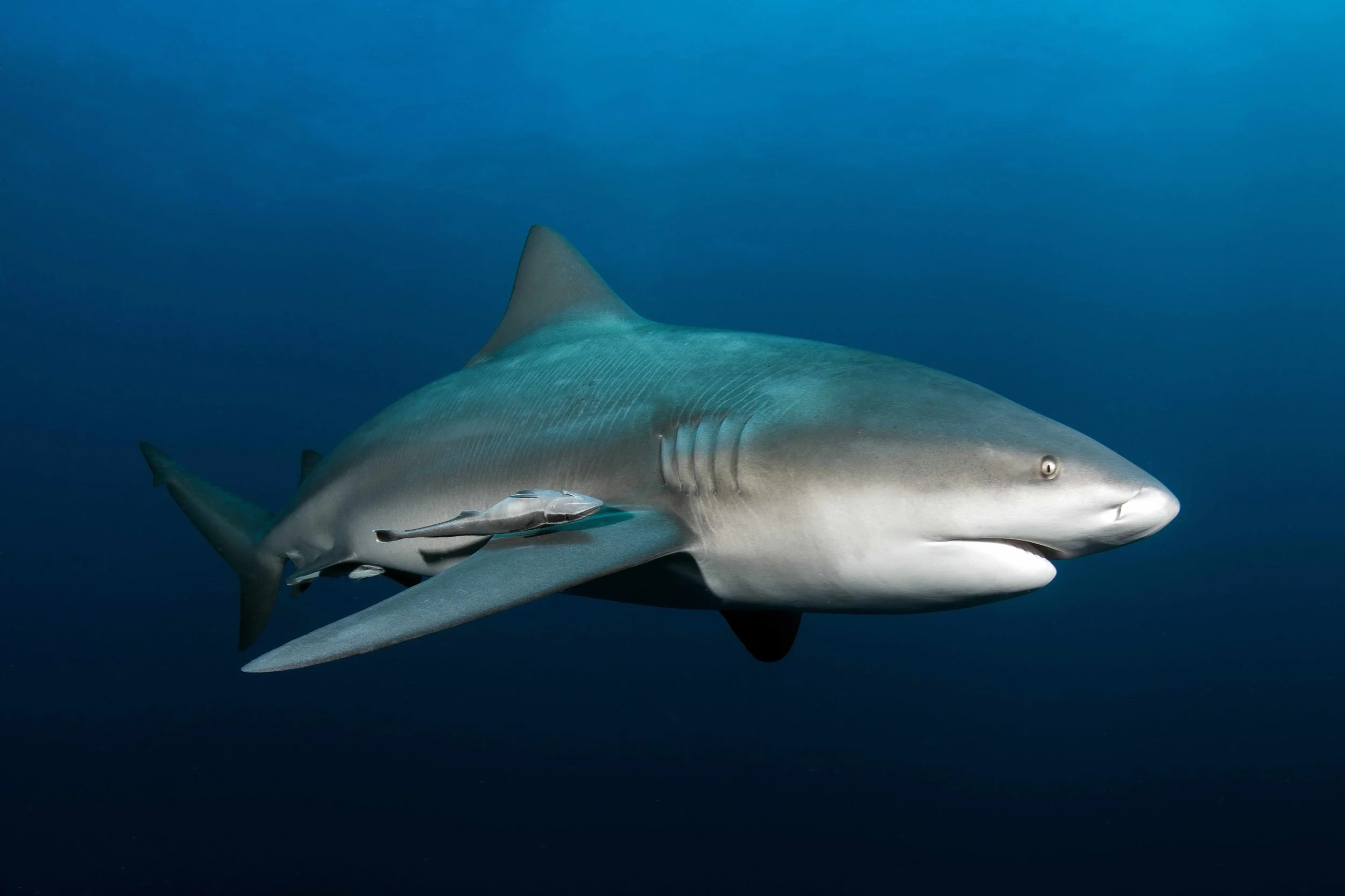
Bull shark sightings and catches are increasing along the Jersey Shore because warming ocean temperatures from climate change are shifting their migration paths and preferred habitats northward.
Climate change is warming New Jersey's coastal waters, which draws southern shark species closer to the Jersey Shore and threatens fragile back-bay nurseries.
Researchers from Rutgers University note that changing currents and warming seas are shifting the migration paths and distributions of marine life, including squids and sand eels that sharks hunt.
The increasing diversity of shark species to New Jersey is threatening local shark nursery areas, as larger sharks could prey on smaller, young sharks. New Jersey’s shallow back bays and coastal salt marshes serve as essential nurseries for local shark pups, including sandbar sharks, smooth dogfish, and sand tiger sharks. Warming waters are encouraging southern shark species, such as bull and blacktip sharks, to visit or utilize mid-Atlantic estuaries more frequently, altering traditional ecosystem and predator-prey dynamics in local back bays.
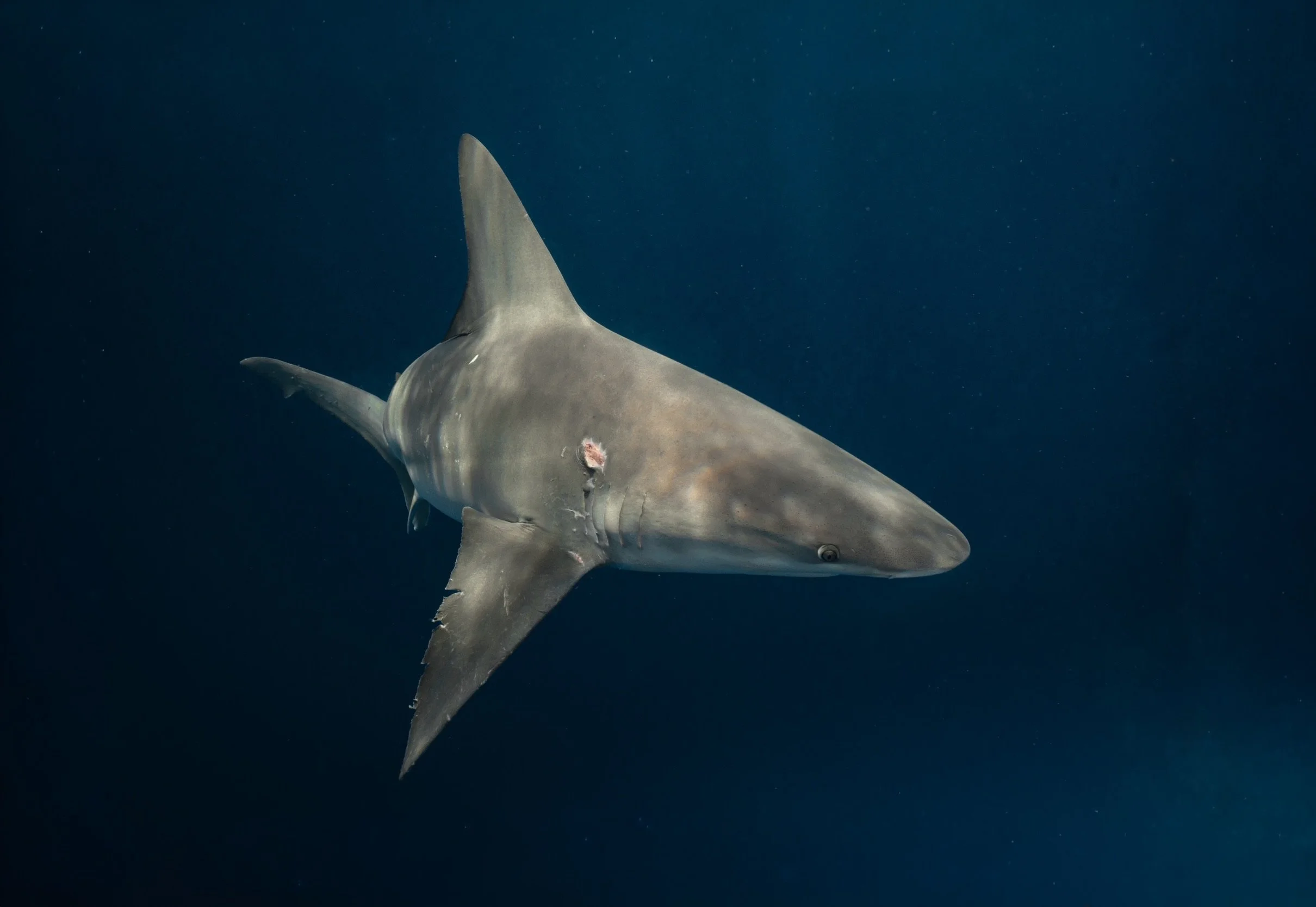
Climate change is altering the migration patterns of sandbar sharks (Carcharhinus plumbeus), also known as brown sharks along the Jersey Shore by causing them to delay their southward return to warmer waters in the fall. Research published in Conservation Biology co-authored by Monmouth University scientists shows that rising sea surface temperatures cause coastal sharks to prolong their residency in northern habitats. Among major coastal species tracked via acoustic telemetry, sandbar sharks showed the largest response, delaying their autumn departure by a median of roughly 29 days.
Climate Change is directly threatening the shallow back-bay nursery areas used by young sharks!
In addition, more intense storms and floods along the Jersey Shore are affecting, eroding and change coastal wetland habitat for Sandbar Sharks, Smooth Dogfish, and Sand Tiger Sharks. Female sharks for these three species use New Jersey’s shallow back bays and coastal salt marshes (such as Barnegat Bay and Little Egg Harbor) as protected nurseries. Climate-driven sea-level rise, intense storms, and marsh erosion threaten these crucial shallow wetland habitats, risking the survival of newborn pups. Climate change is causing New Jersey's coastal salt marshes to erode and "drown" from accelerated sea-level rise and intense storms, directly threatening the shallow back-bay nursery areas used by young sharks.
Rising sea levels and severe storm waves are causing thousands of acres of NJ salt marshes—such as those in Little Egg Harbor and Great Bay—to degrade and vanish, removing the vital vegetative cover baby sharks use to hide from larger predators. The environmental stress from warmer temperatures and more intense storms damages the eelgrass and shallow marsh habitats that support small fish, crabs, and American eels, reducing the abundant food supply young pups need to survive their first summers.
In addition, higher water temperatures increase the metabolic rates of juvenile sandbar sharks, sand tiger sharks, and smooth dogfish, forcing them to expend more energy and alter their traditional feeding and refuge behaviors.
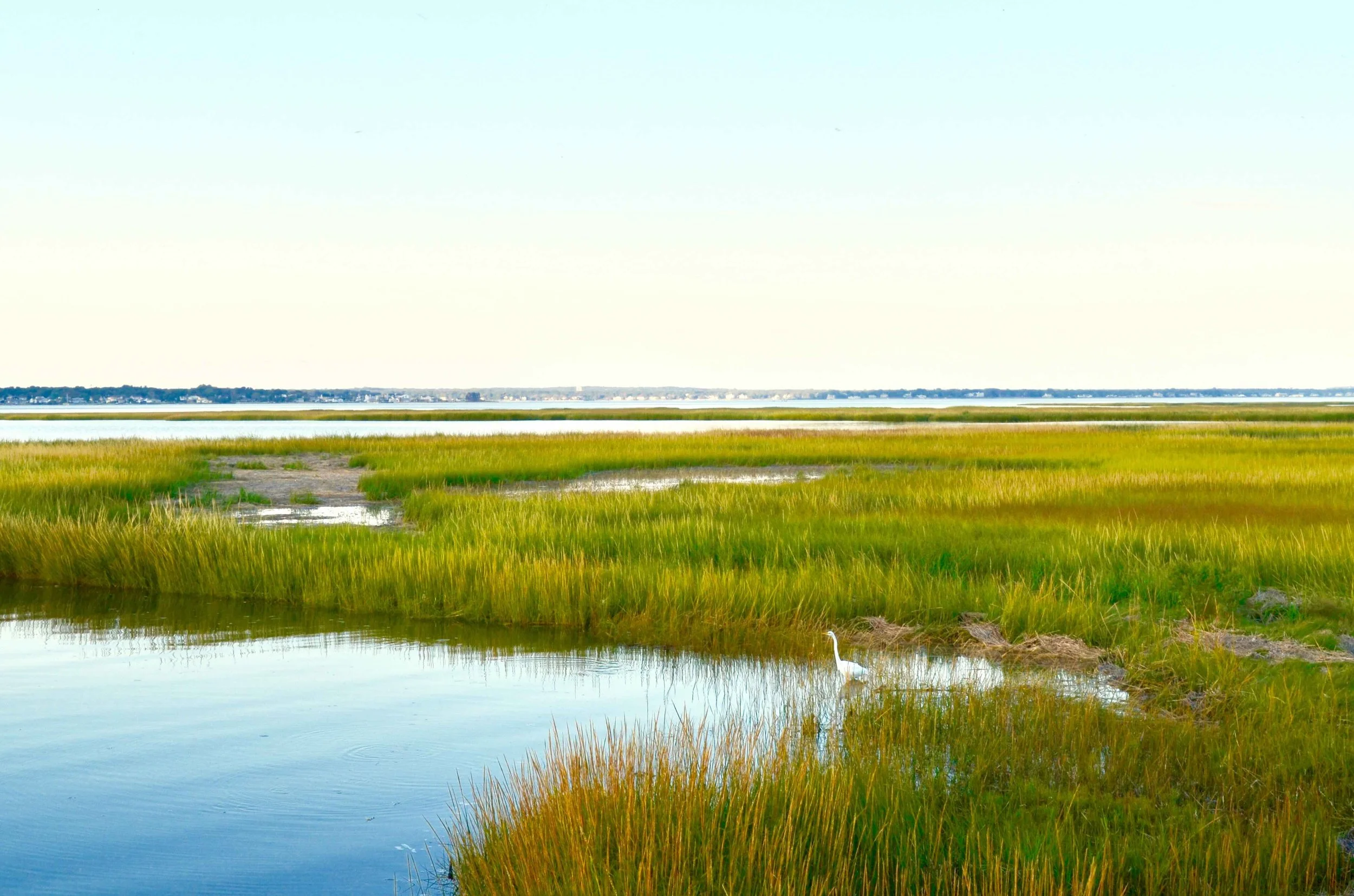
New Jersey's coastal salt marshes are drowning and eroding because sea levels are rising faster than the marsh plants can grow. Sea levels along the coast rise about 5 to 6 millimeters every year, which outpaces how fast the marsh builds up new soil. Walking trails and low areas that used to flood a few times a year now flood nearly 70 times annually. Healthy marsh grasses are dying off and turning into bare mudflats, reducing valuable wildlife habitat.
Moreover, development like roads, homes, and bulkheads blocks marshes from moving inland as the water rises, causing them to shrink.