Save Coastal Wildlife Nonprofit
We are dedicated to restoration, research and educating people about the protection of coastal wildlife along the Jersey Shore!
#savecoastalwildlife
This nonprofit runs on science and science is under siege all across the country. We urgently need your help.
Paddle for the Ospreys
Fundraiser!
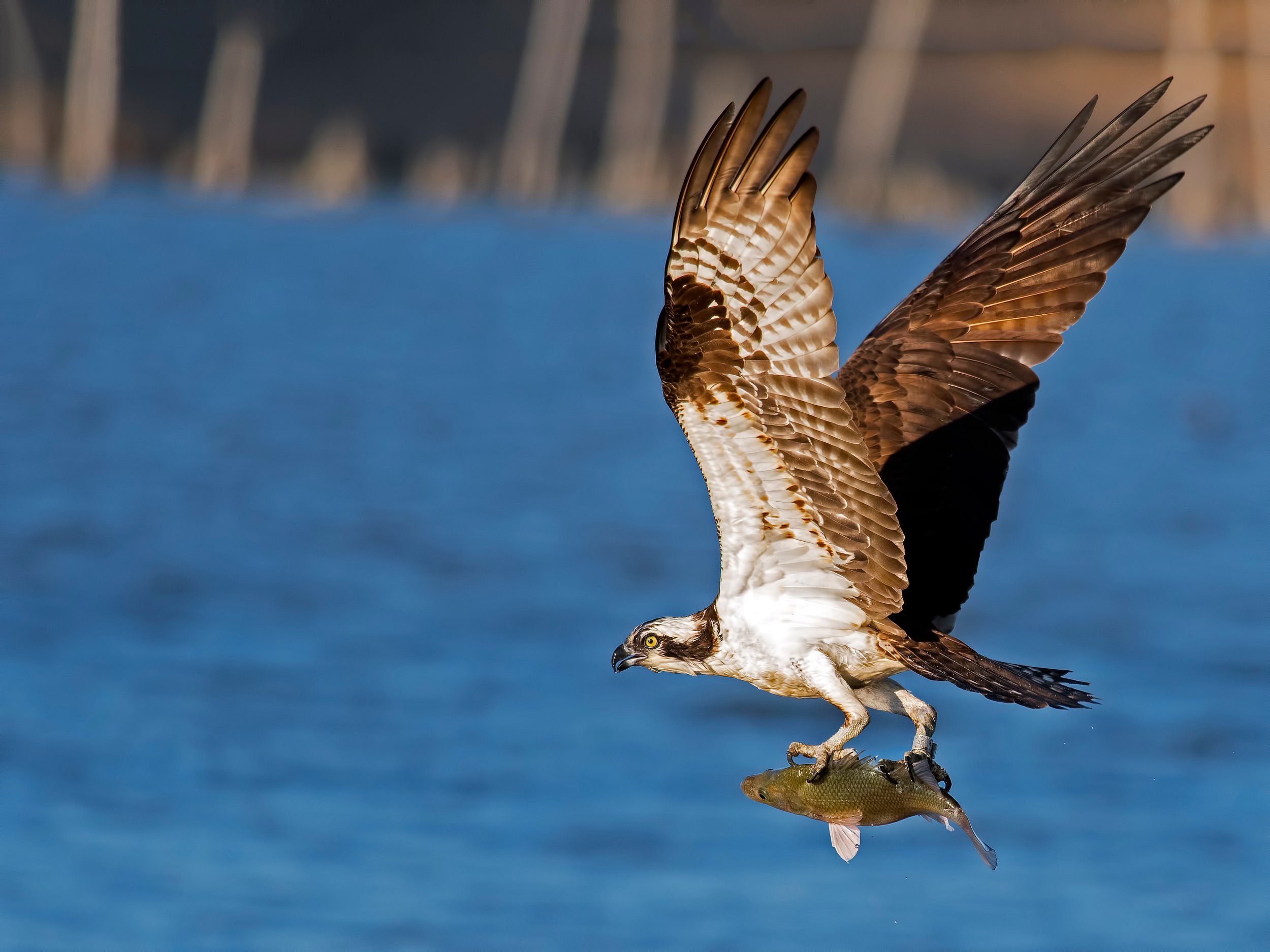
Support Save Coastal Wildlife and our treasurer, Charlene Agar Kiley, as she paddles around 7.4 miles from Oceanport to Highlands on Sunday, August 9 (weather permitting) to raise awareness and support coastal wildlife and their habitats, including the many ospreys that call the Shrewsbury and Navesink Rivers home!
Volunteer & Stay In-Touch.
Sign up with your email address to receive the latest coastal wildlife news and updates about volunteer and community science activities with Save Coastal Wildlife Nonprofit.
NEWS AND UPCOMING EVENTS
-

Coastal Wildlife Trivia & Volunteer Appreciation Party
Thursday, September 10
7:00pm - 9:00pm
JUS Organics, 135 First Ave, Atlantic Highlands, NJ 07716
Tickets - $50.00 per person
Celebrate our volunteers and the Jersey Shore 🌊
Join your friends from Save Coastal Wildlife for a fun evening of appreciation and coastal wildlife trivia as we thank the people who have given their time to protect New Jersey’s biodiversity and help Save Coastal Wildlife.What to expect 🐚
A fun and enjoyable time! Connect with fellow volunteers, enjoy light refreshments, and test your knowledge of the history of Save Coastal Wildlife, local wildlife, and the Jersey Shore. Plus special Save Coastal Wildlife swag will be for sale, and fun and exciting prizes and gifts will be available to win and be given.This promises to be a unique and fun event!!
-

Sunset Boat Tour of Sandy Hook Bay
Tickets on Sale NOW!
Sunday, September 20
5:30pm - 7:30pm
Navesink Queen
Atlantic Highlands, NJ
Tickets $55.00
Set sail with us for a sunset cruise around Sandy Hook Bay ⛵🌅 Enjoy beautiful and historic coastal views while learning how Save Coastal Wildlife protects marine animals and their fragile habitats along the Jersey Shore.
Your registration supports local research, habitat restoration, and hands-on education for our community. Join us on the water to see the wildlife we work to protect and hear simple ways you can help safeguard our coast.
-

Volunteers Needed for Plankton & Fish Survey Season
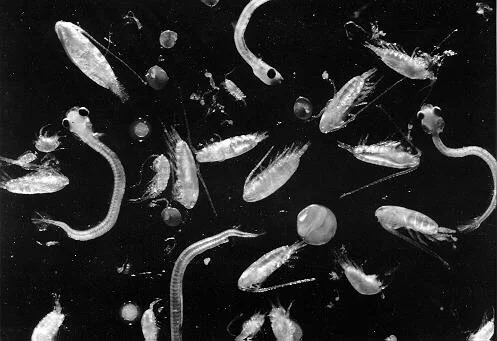
Join Save Coastal Wildlife this summer as we scan the shore to study populations of plankton and fish. These are exciting community science events that the public is invited to help and discover more about the Jersey Shore.
Please make sure you are signed up to receive emails from Save Coastal Wildlife. All event details including registration are sent out via email to interested folks.
-

Volunteers Needed for Summer Beach Cleanups
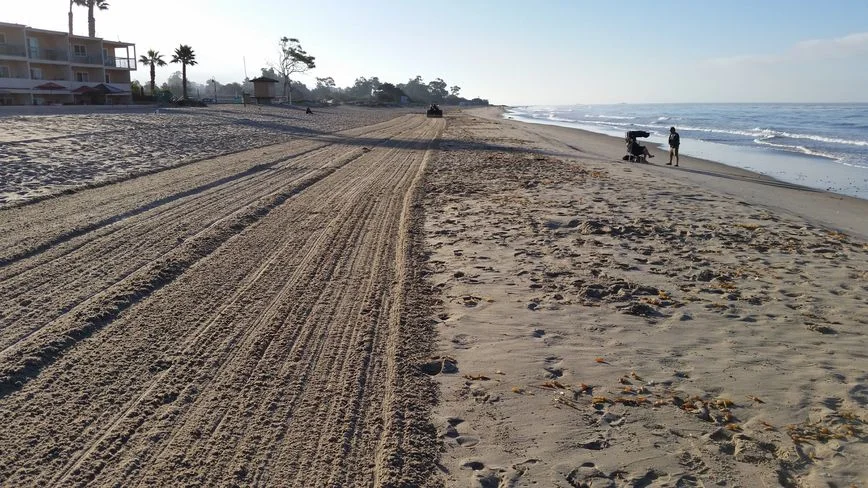
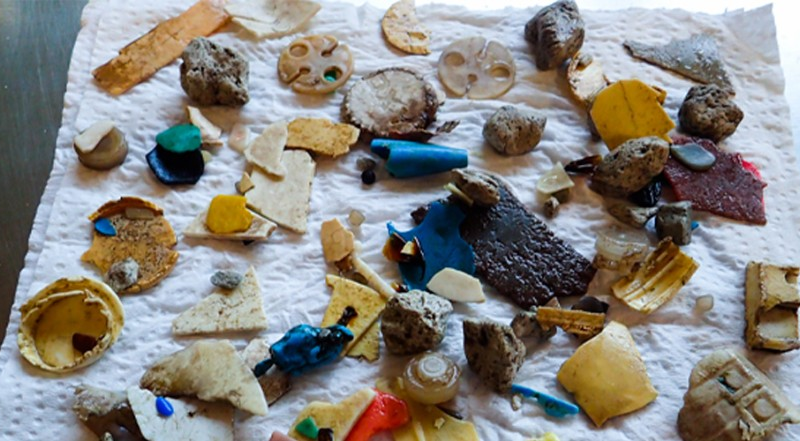
Join Save Coastal Wildlife this summer as cleanup the Jersey Shore of trash and debris. Unfortunately, as crowds of people come to the beach every day, they often leave behind lots of plastic debris and other trash that does damage to wildlife and their habitat.
Please make sure you are signed up to receive emails from Save Coastal Wildlife. All event details including registration are sent out via email to interested folks.
-
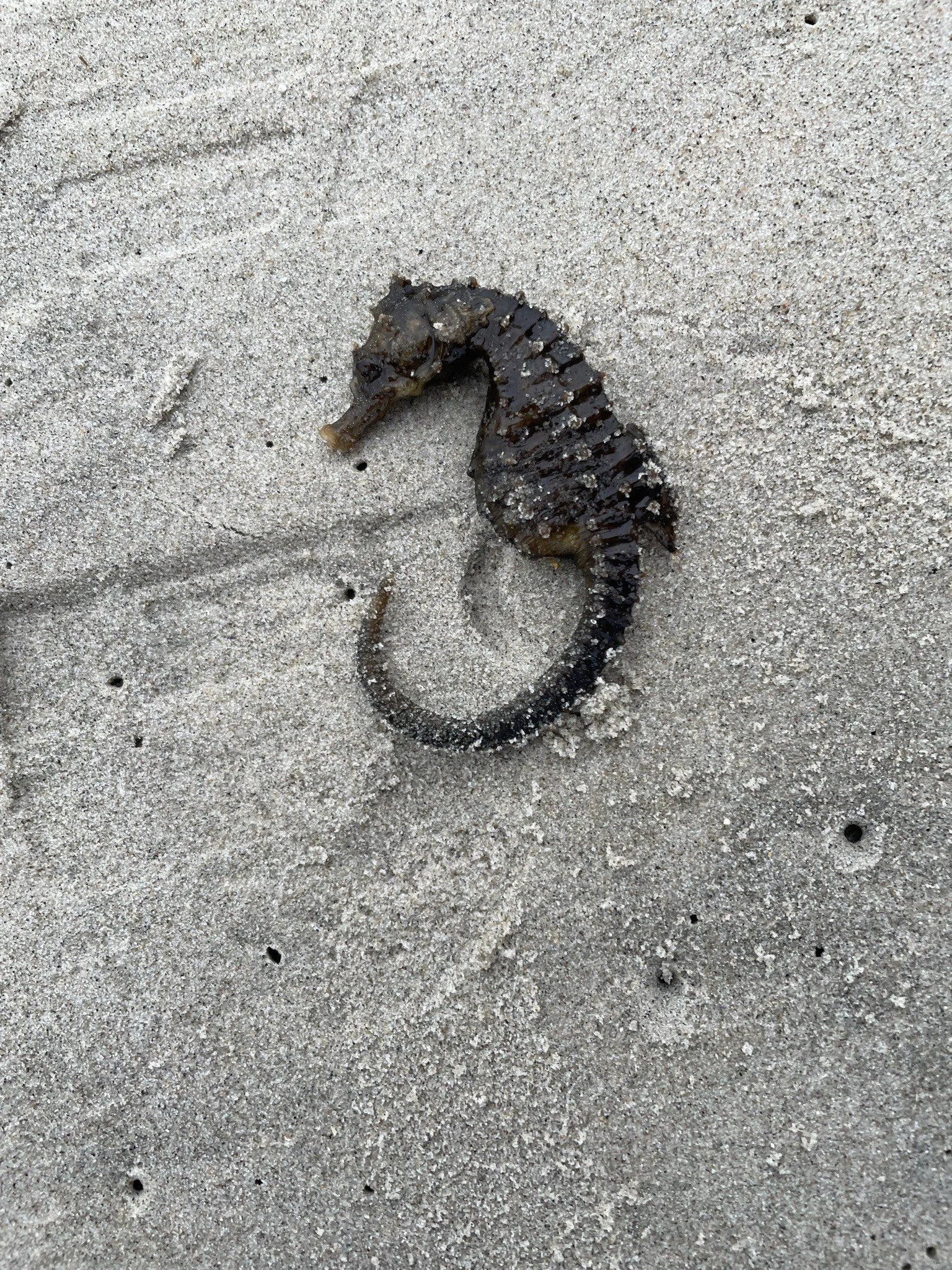
Report A Seahorse Sighting
Due to many threats, the population of seahorses is uncertain at best. If you come upon a seahorse (live or dead), please record your sighting to Save Coastal Wildlife so we may keep track of the location, and abundance of seahorses.
-
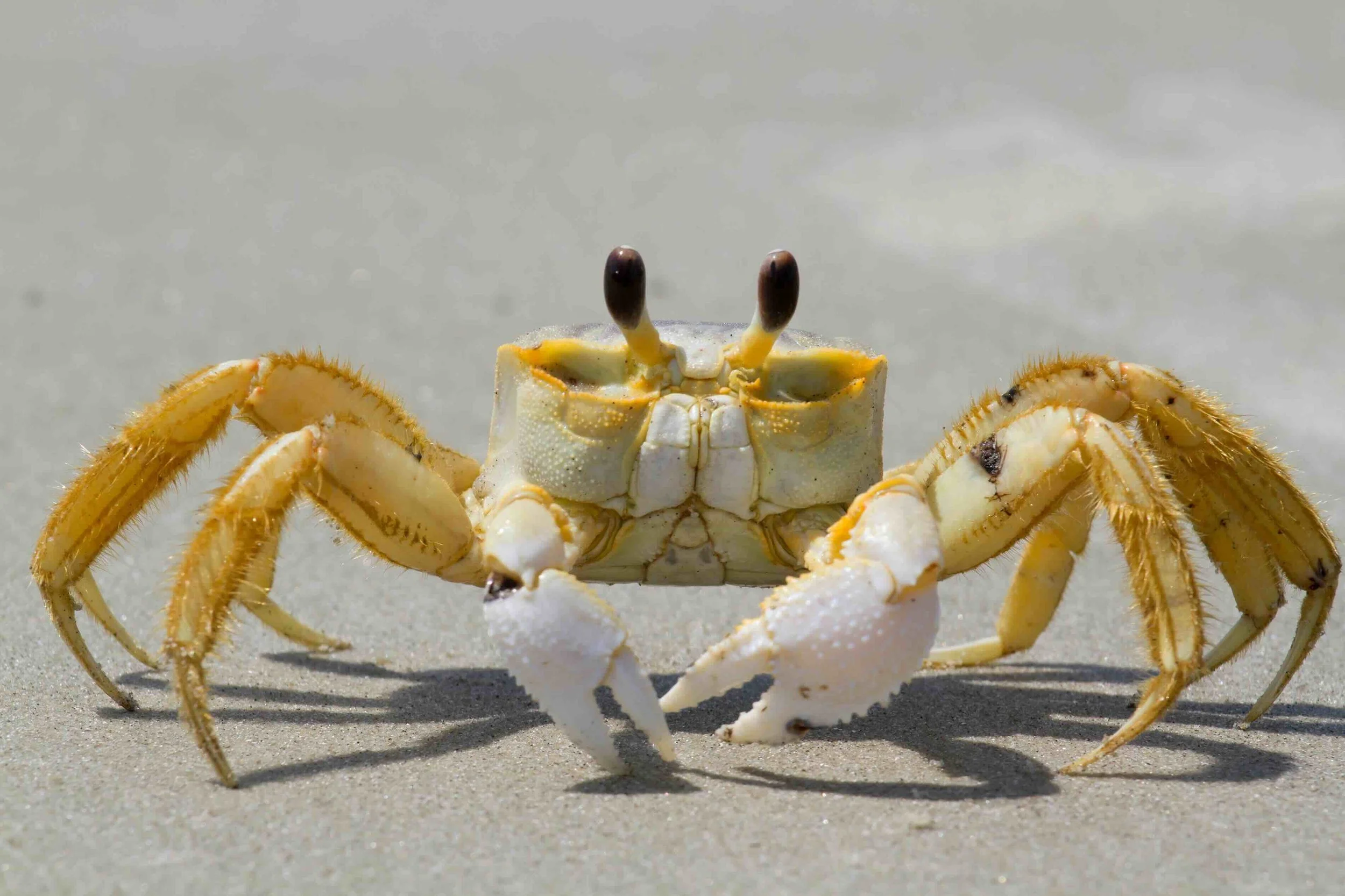
NEW BLOG POST: GHOST CRABS
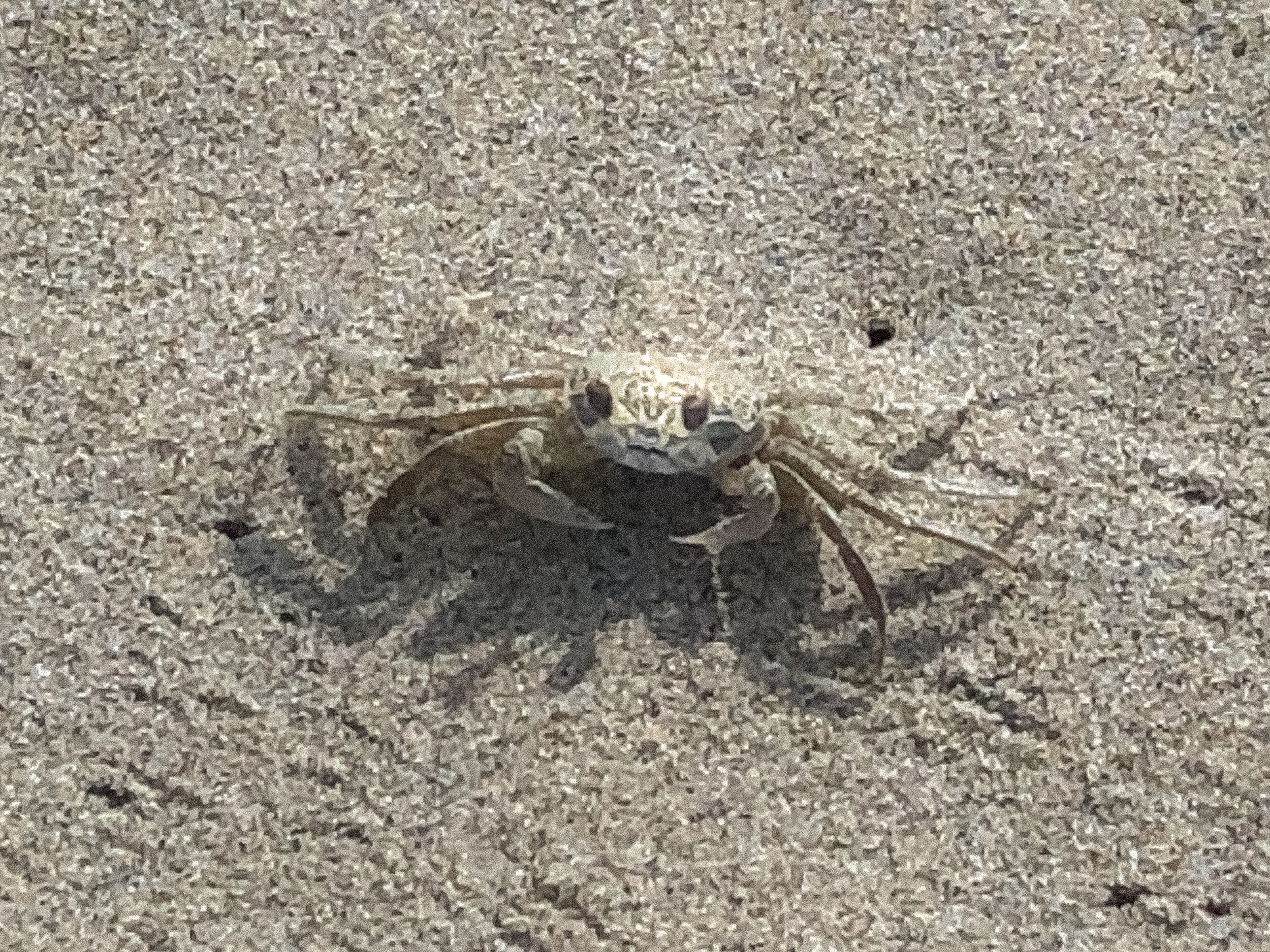
Discover Atlantic ghost crabs along the Jersey Shore. Jenna Reynolds, Exc. Director of Save Coastal Wildlife, explores the life and ecology of this mysterious speedy and crab.
Atlantic ghost crabs are named for both the ability to blend in with their seashore surroundings and for their mostly nocturnal behaviors. Their pale color helps them blend in with the sand, making them seem to "disappear" or move like ghosts.
-

STOP OCTOPUS FARMING!
Stop octopus farming before it begins and takes a hold along the Jersey Shore. Once it begins, it will be very difficult to stop!
URGE NJ LAWMAKERS TO BAN OCTOPUS FARMING!
-

Don't Fall for Misinformation
Don’t believe the hype the fossil fuel industry and their friends are putting out about renewable energy, especially offshore wind killing whales. Only people are killing whales from speeding ships, the ingestion of microplastics, or from commercial fishing.
FEATURED COASTAL WILDLIFE
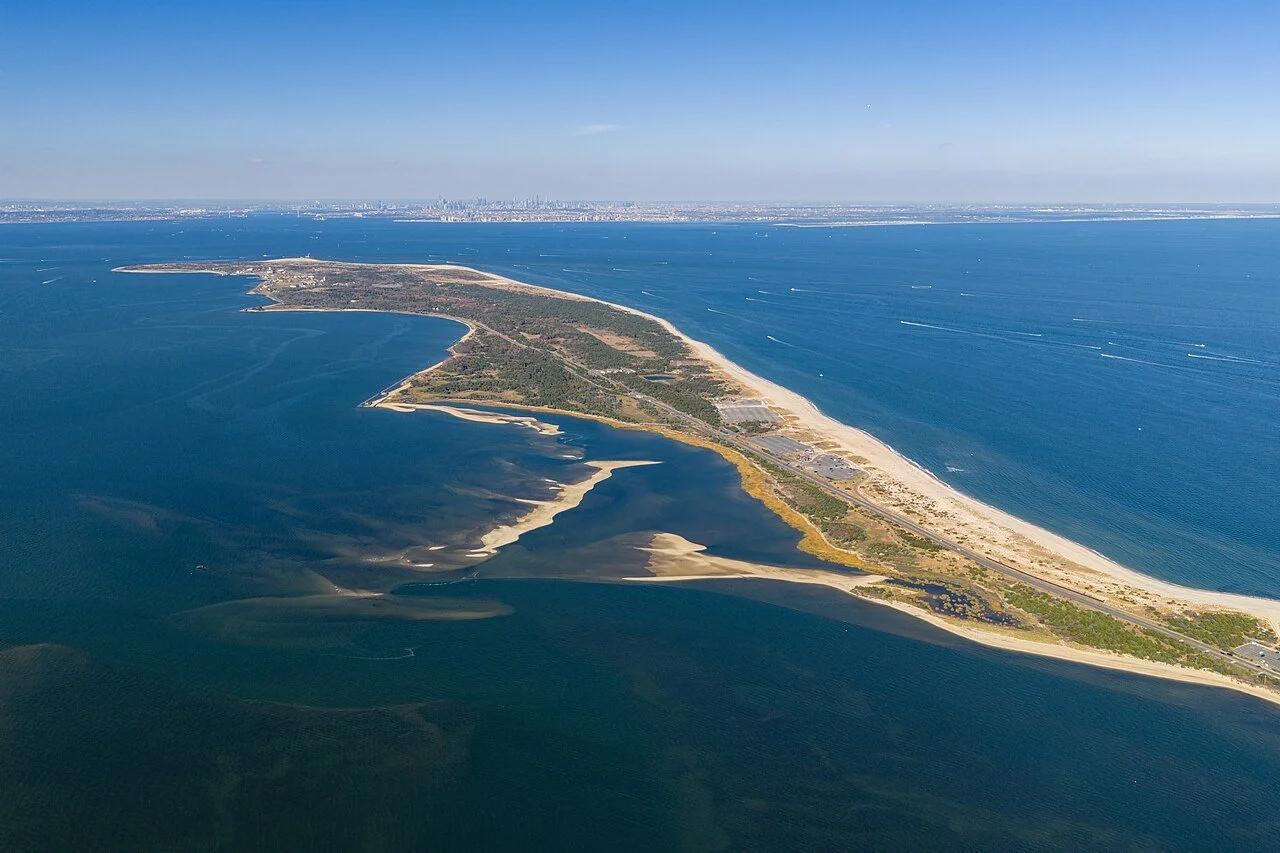
Global warming is changing New Jersey in many ways, and not just for people. Wildlife is feeling the heat too. Fish, birds, plants and other species must respond to temperatures rising, sea levels increasing, and an ever-increasing warming world. During the summer of 2024, staff and volunteers with the environmental nonprofit, Save Coastal Wildlife, conducted several biodiversity studies and surveys of fish, birds and plants in Barnegat Bay and in the Raritan Bay-Sandy Hook Bay estuarine complex. The following information is the result of these activities and observations.
Neglect to give full attention to important environmental stories has only gotten worse over time for nearly every online or print news outlet in New Jersey and especially those covering the Jersey Shore, especially on important issues like global warming and the loss of biodiversity.
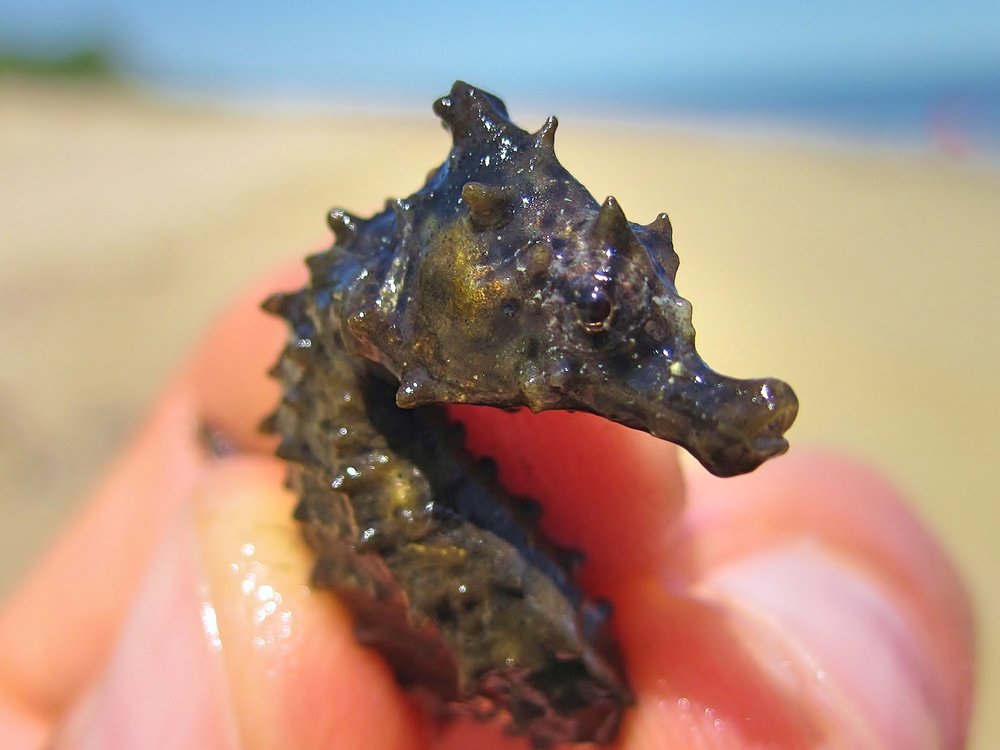
Thanks to the difficult work of many marine biologists and citizen scientists, we have a good idea on the lives of lined seahorses during the warmer months of the year. Yet, many questions still need to be answered on what happens to seahorses during the winter?
We are so sick of the lies, false knowledge and yellow journalism being spread by numerous people in the media (both social media and mainstream media) about the death of marine mammals along the Jersey Shore.
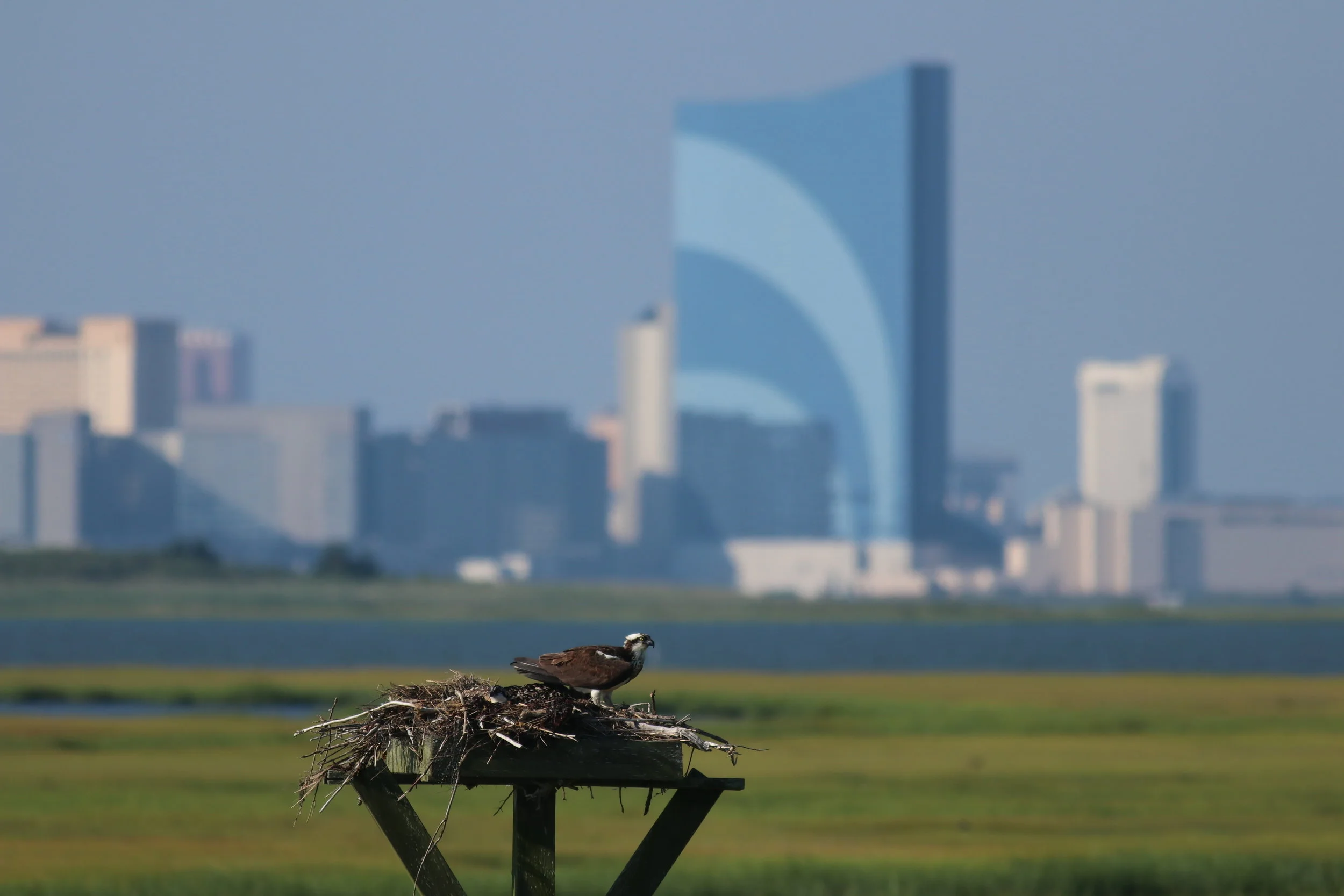
For 10 years or more, volunteers with Save Coastal Wildlife have helped to install artificial nesting platforms for ospreys along the highly developed coastline of the northern Jersey Shore.
Join Priya Thamburaj, a graduating student at Biotechnology High School in Freehold, NJ as she discovers how important plankton, small and often mysterious microscopic critters, are to life on Planet Earth.
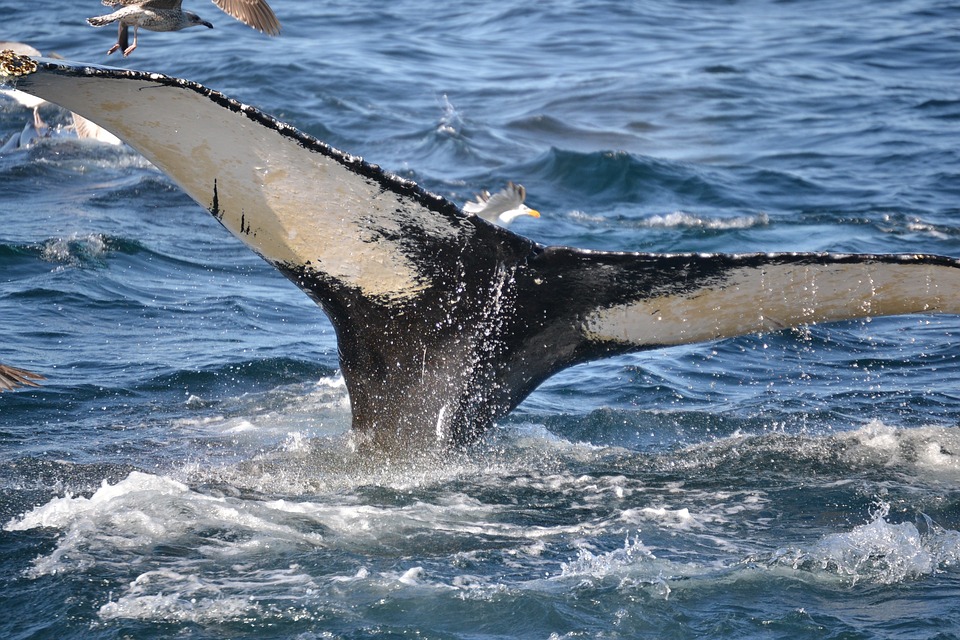
Whales are one of the most intelligent and awe-inspiring group of animals known as cetaceans to call our oceans home.In 2020, the threat from commercial fishing gear and ship strikes were seen from the death or damage to a variety of juvenile whale species along the Jersey Shore and surrounding waters. Making it a very sad year to be a whale.
Ospreys have a shocking and scary spring migration. It’s not easy being an osprey in the modern world. From habitat loss to poor water quality, intense weather, to illegal hunting, to toxic pollutants and pesticides, to plastics, there are many threats to their survival.
Along the picturesque Jersey Shore, a remarkable drama plays out almost every time someone visits a beach. No matter the season, from summer to spring, people will encounter gulls, erroneously known as seagulls. But can they be all that bad?
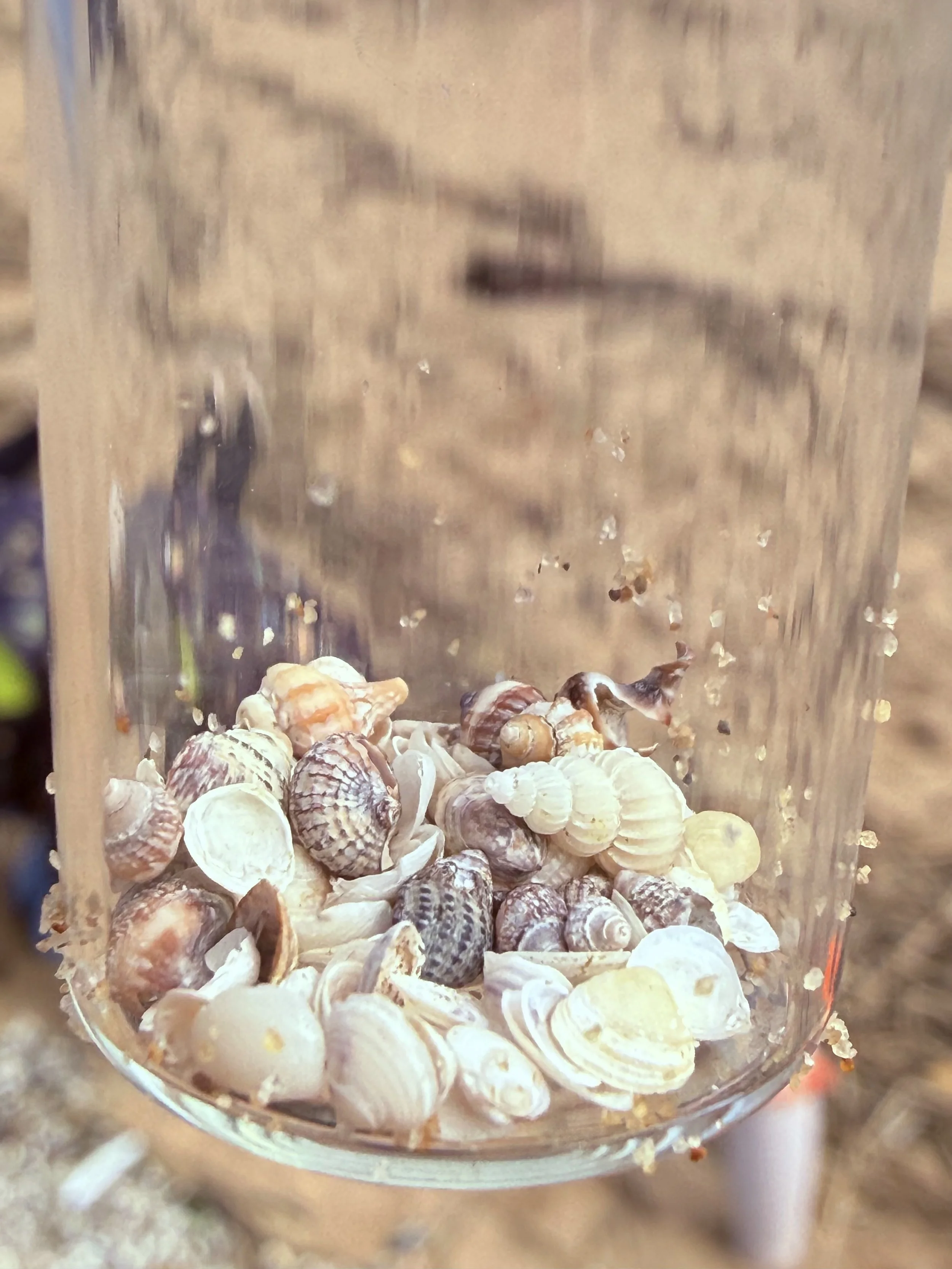
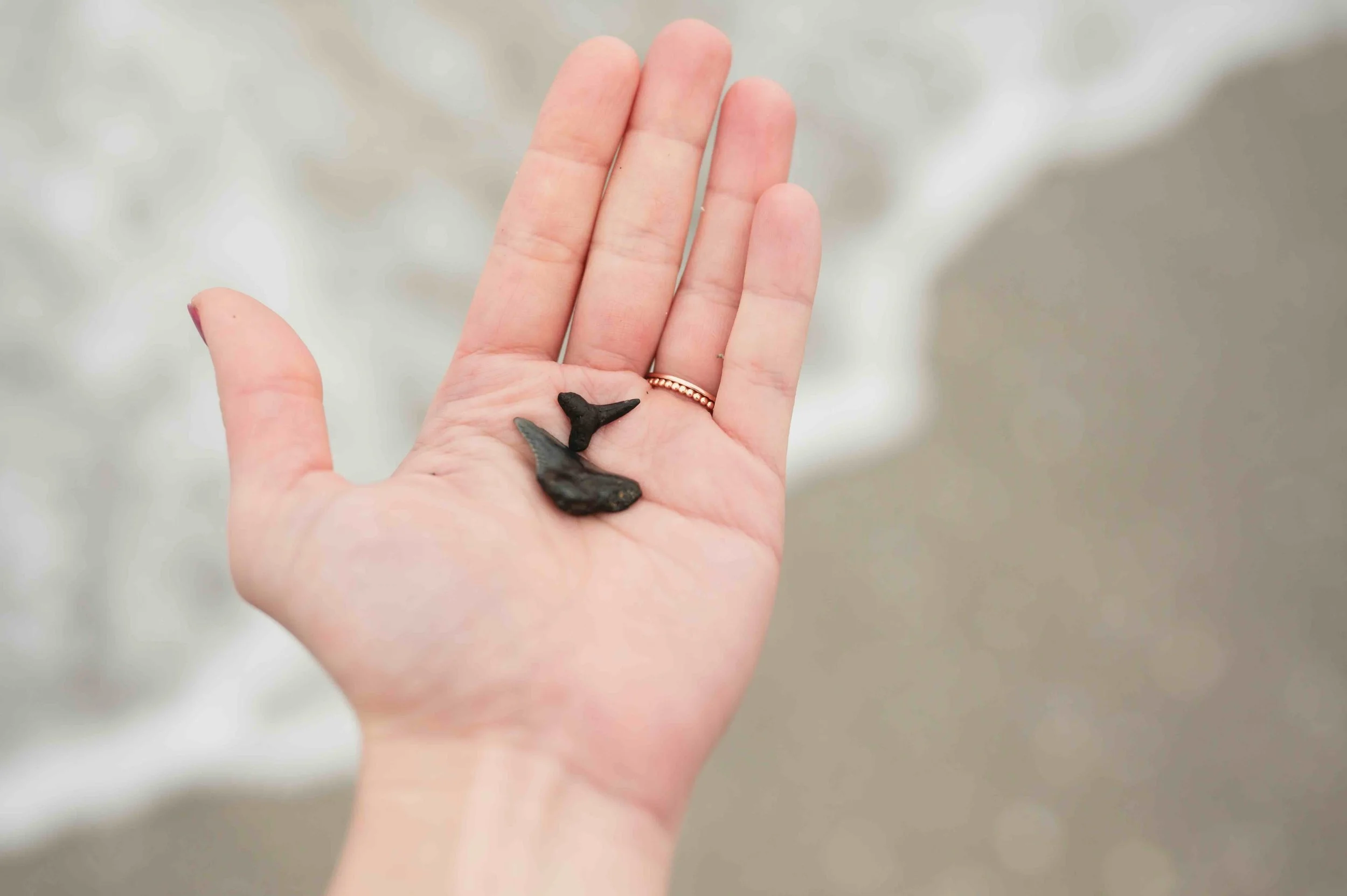
There is much to behold and beauty to be found on a winter beach. Even though the temperatures and winds can be a brutal and biting, a winter beach walk has the potential to be among the most satisfying of all natural events during the year. The winter beach is home to a variety of coastal wildlife and a variety of interesting finds.
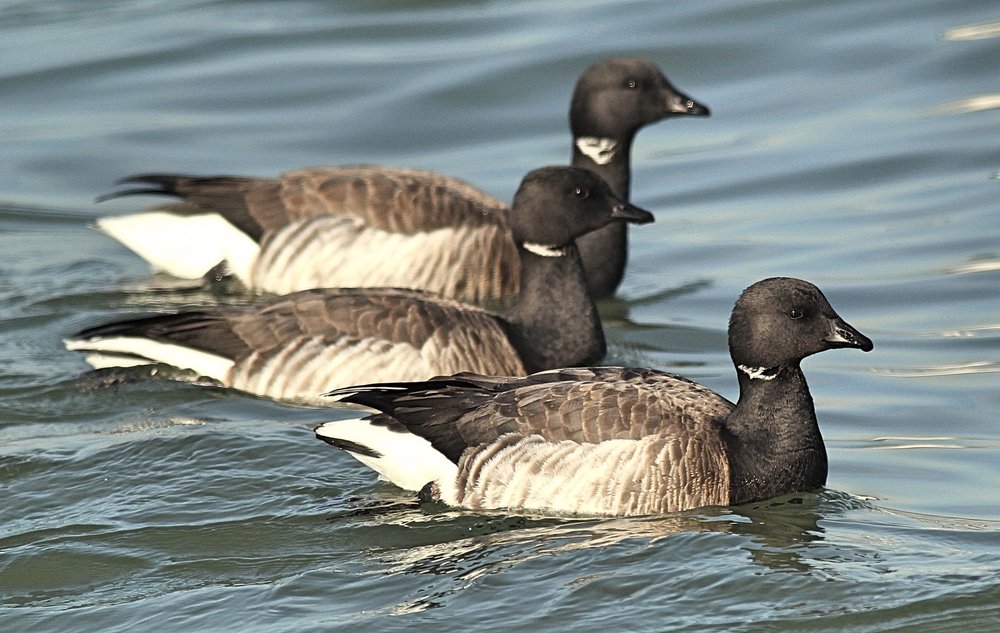
Atlantic brant (scientific name: Branta bernicla hrota), also known as a bay goose, are common sights and sounds in estuaries along the Jersey Shore during the winter. Yet while you may have heard their call, it’s a goose few people know well. It’s a bird that is sadly fading away.
Every summer a handful of whales wash up dead along the Jersey Shore and on Long Island beaches. Why?
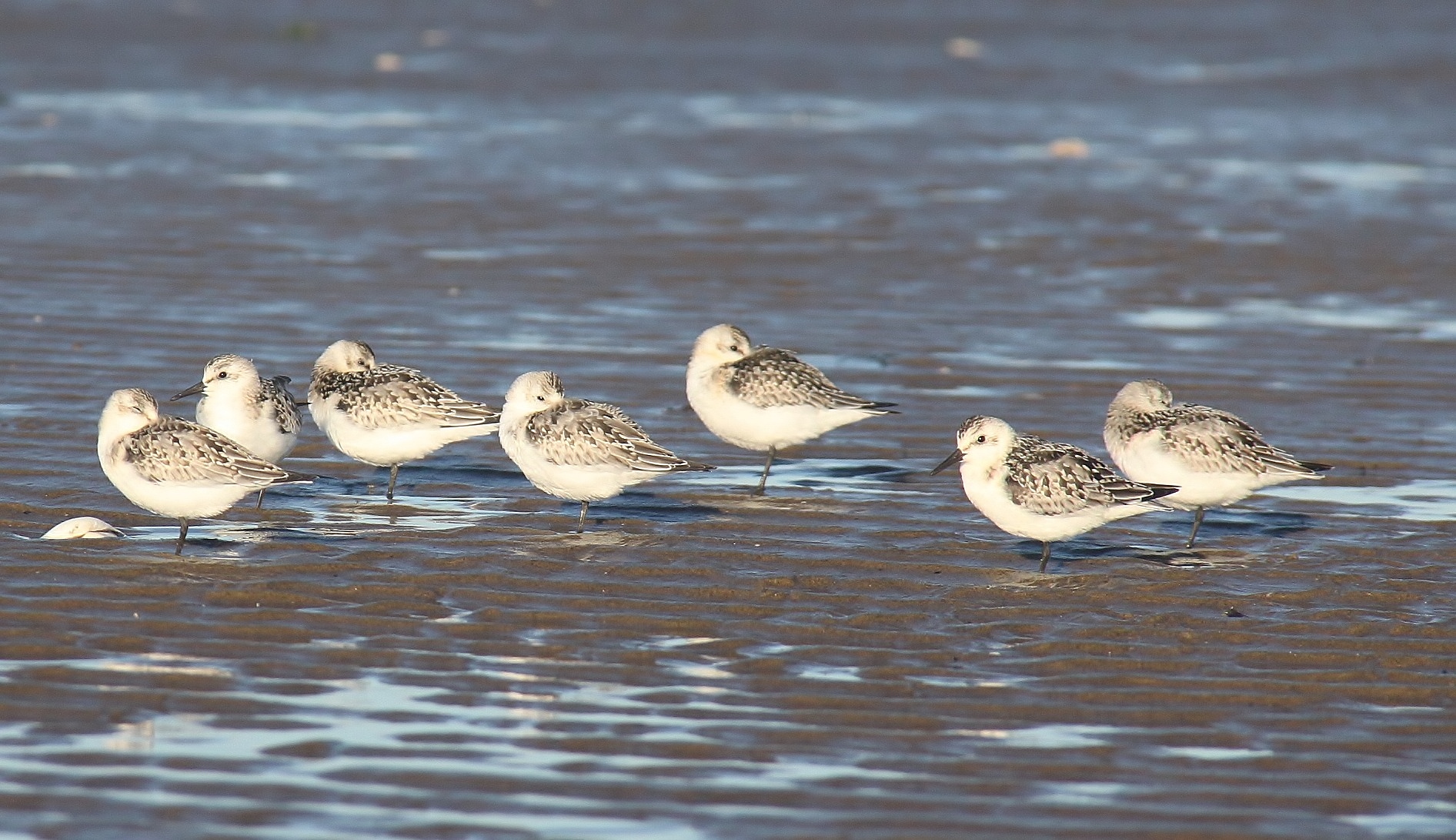
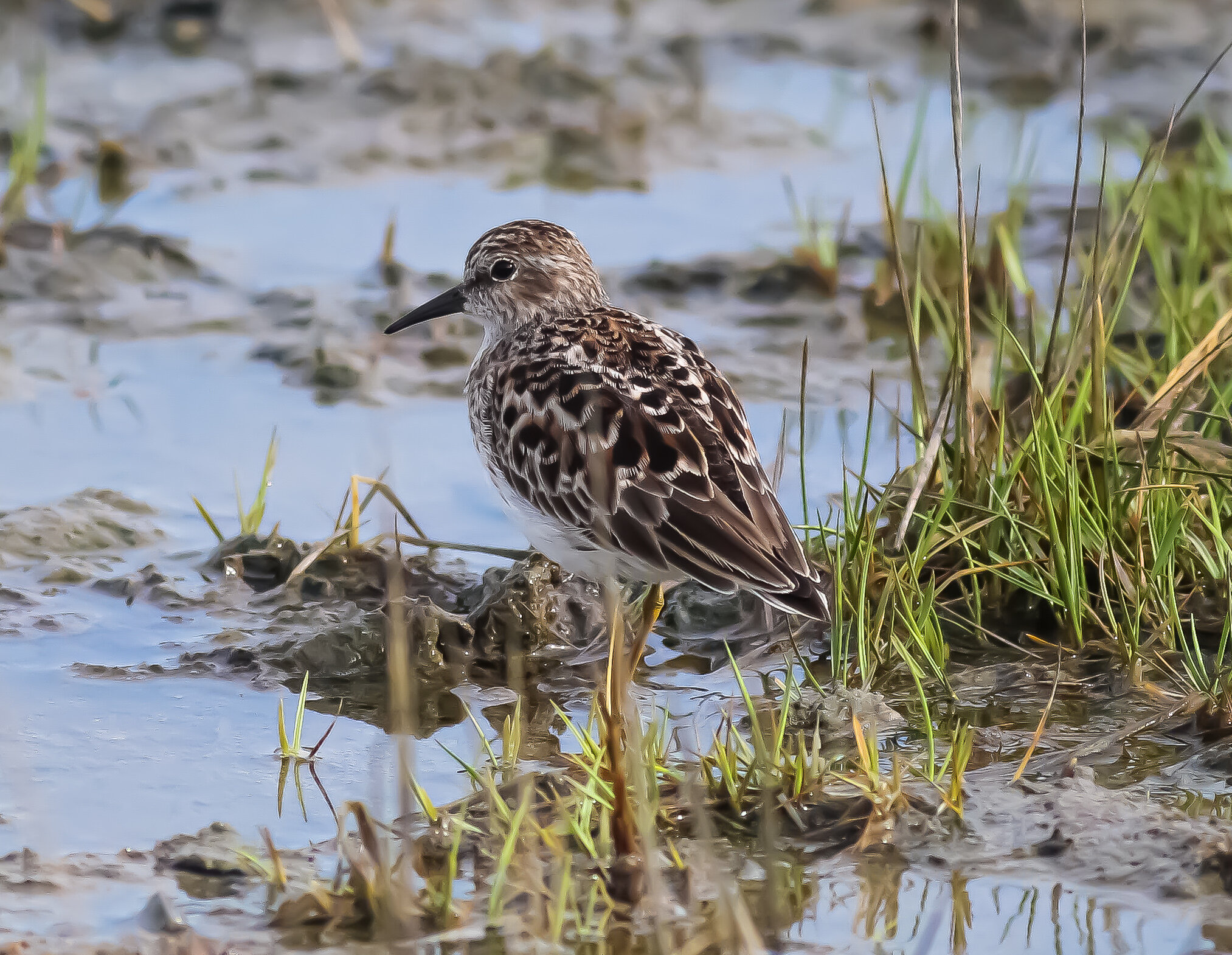
Least Sandpipers (Calidris minutilla) and Semipalmated Sandpipers (calidris pusilla) are decreasing.
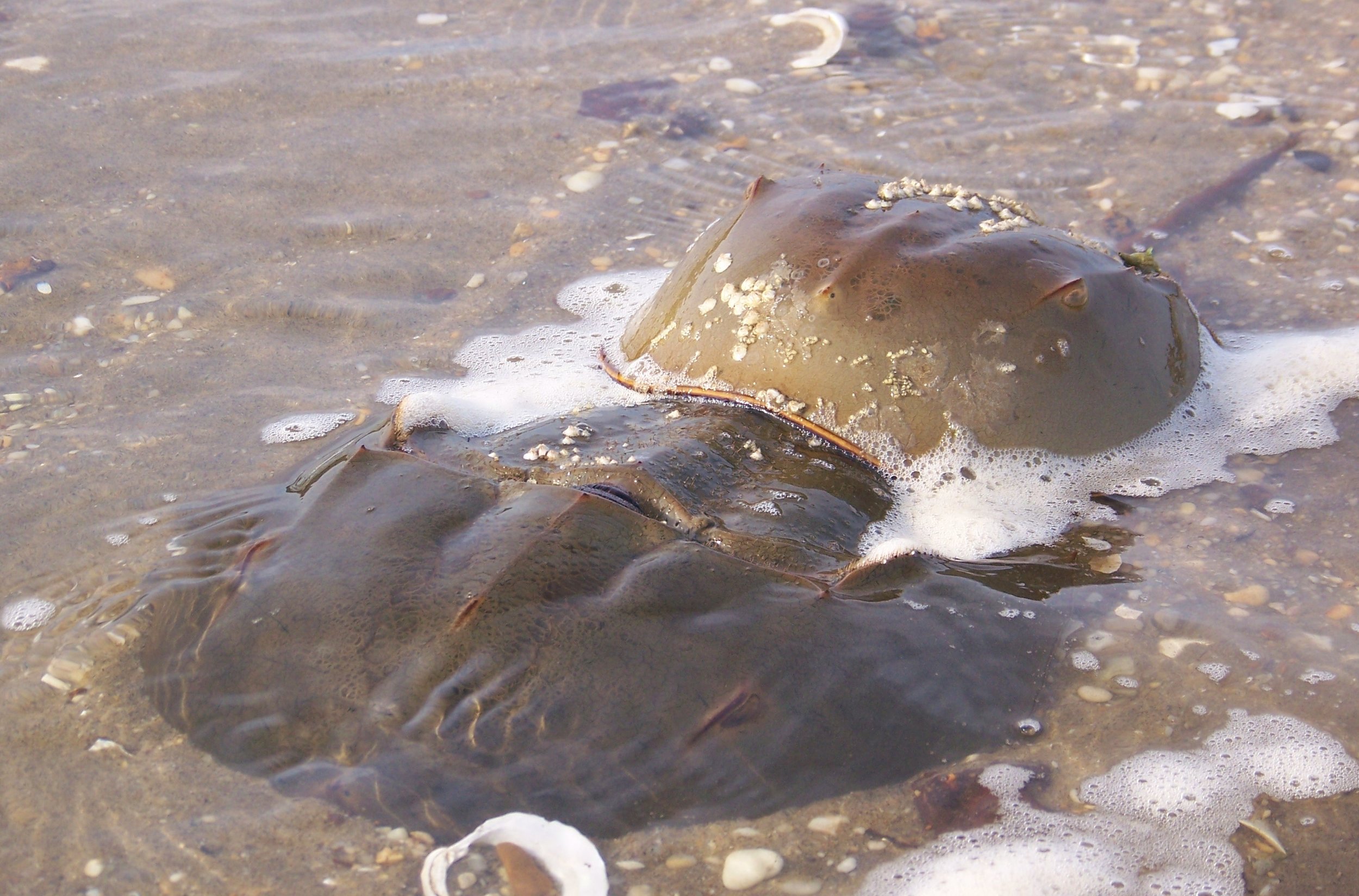
What’s the problem? There are few current protections in place and horseshoe crab populations are just a small fraction of what they should be. One giant misstep or few smaller mistakes over time and horseshoe crabs could disappear from New York Harbor, including Raritan Bay, Sandy Hook Bay and nearby tidal waters.
Ribbed Mussels (Geukensia demissa) are slowly declining in estuarine waters along the northern Jersey Shore.
People have long had a fascination and attraction to whales. Similar to California’s Giant Sequoias, whales tell the story of America and our conflicted relationship with nature. Whales are big, beautiful, powerful, awe-inspiring, inquisitive, intuitive, smart and sentient. Simply put, whales are awesome! But you don’t need to drive all the way up to New England to enjoy an awe-inspiring whale-watching cruise. All you have to do is just make your way to Queens, New York to see the many juvenile humpback whales that call New York Harbor and surrounding oceans waters home during most of the year.
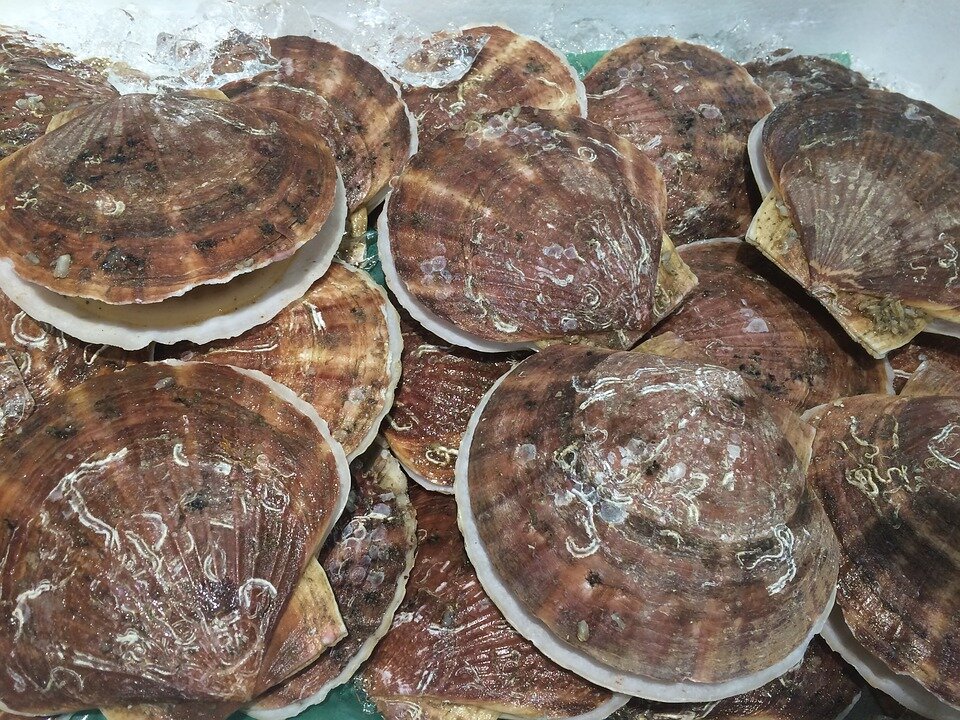
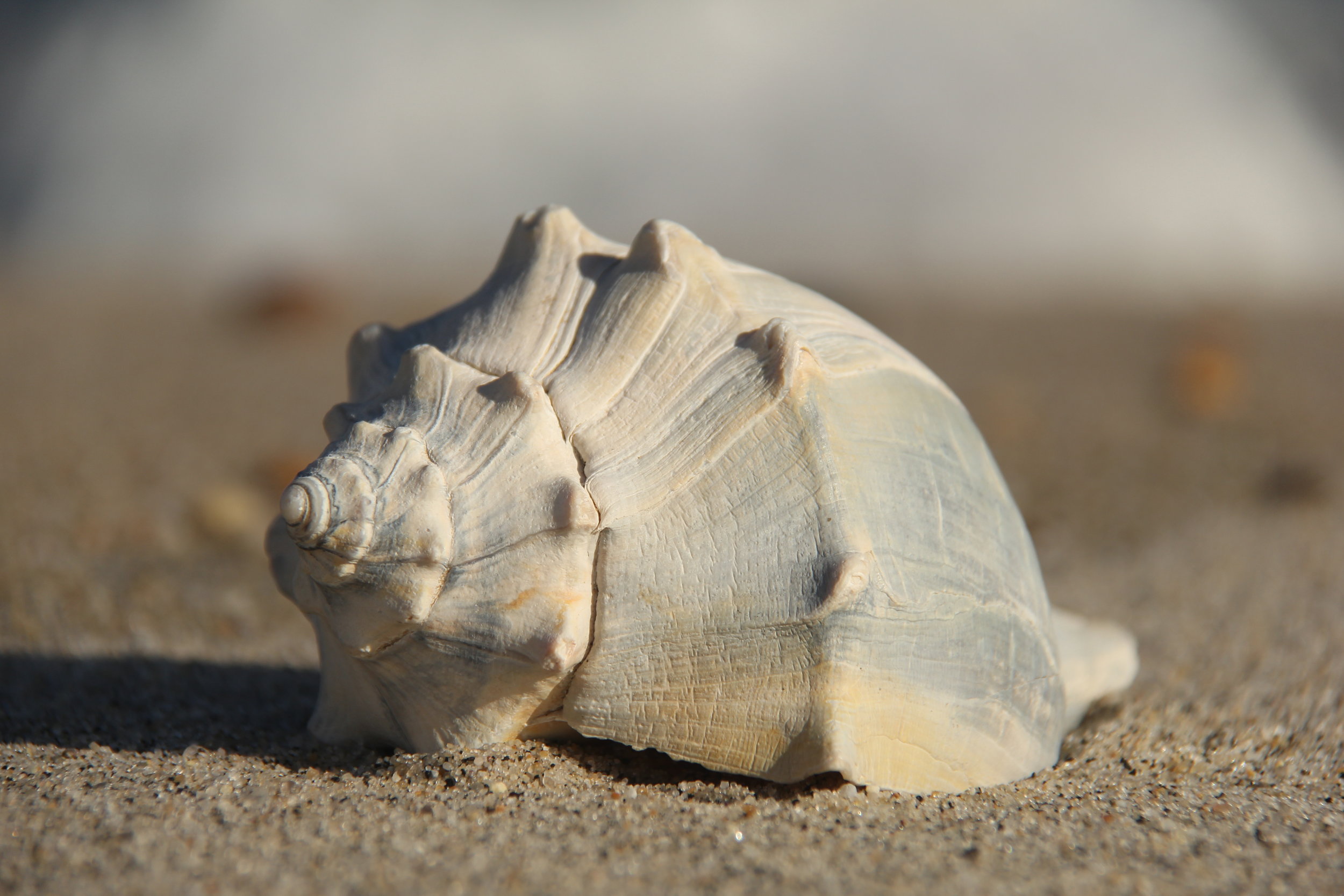
Do you know the knobbed whelk (Busycon carica)? Perhaps if you are lucky, you may have found an empty shell of a knobbed whelk while walking along the edge of the Jersey Shore on a sunny, summer day. To find one is a special shoreline treat. Who knows when you might find another beautiful whelk shell, their population is unknown in New Jersey.
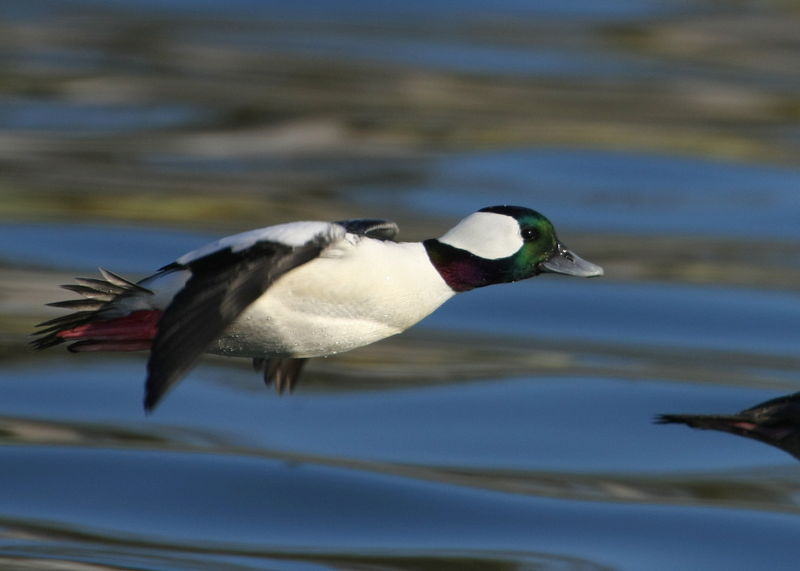
Buffleheads (Bucephala albeola) have returned to spend another winter in New Jersey. With a global population estimated to be more than a 1.2 million birds, according to data released in 2006, the buffleheads seem healthy, but are in fact under pressure from climate change and habitat loss.
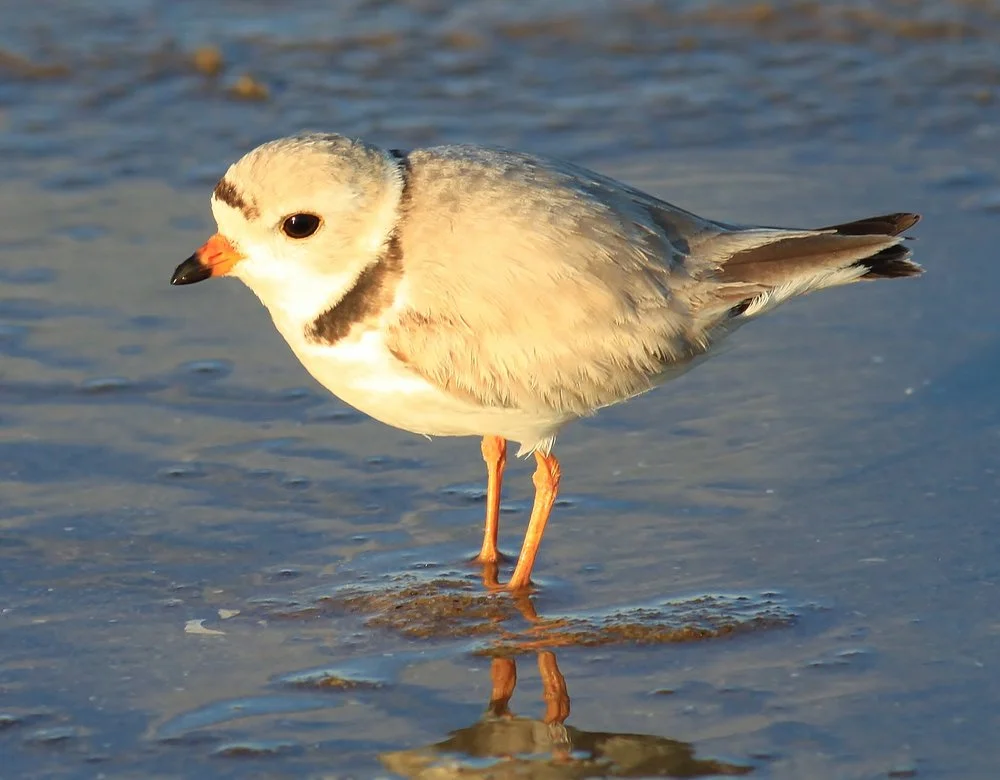
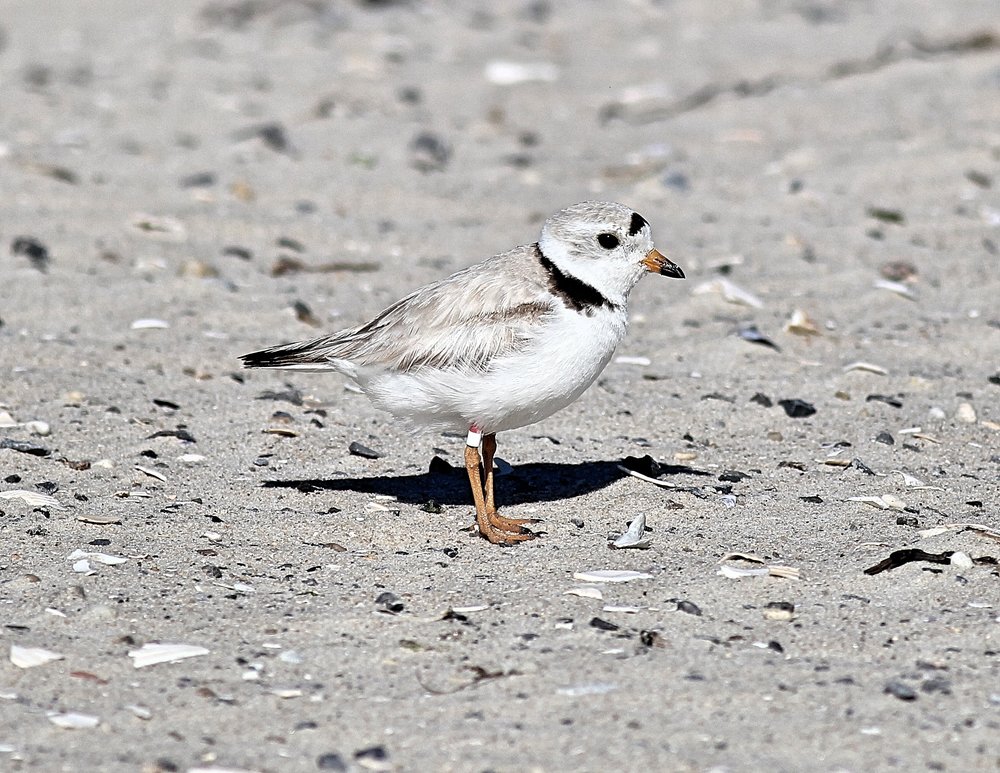
Why are there more people living in New York City per square mile (27,000 people per square mile) than plovers breeding in North America?
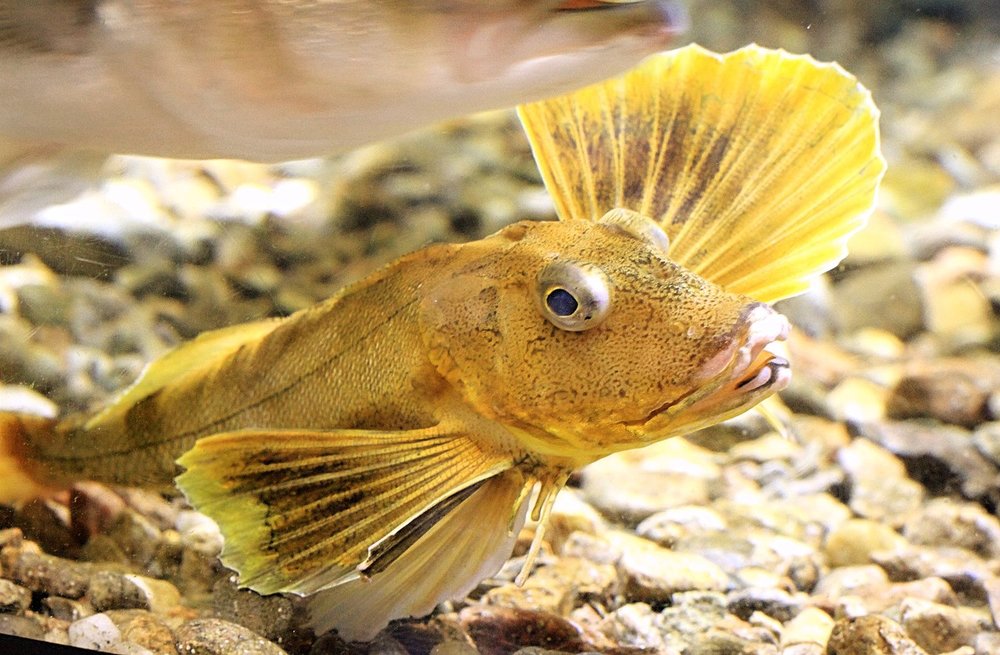
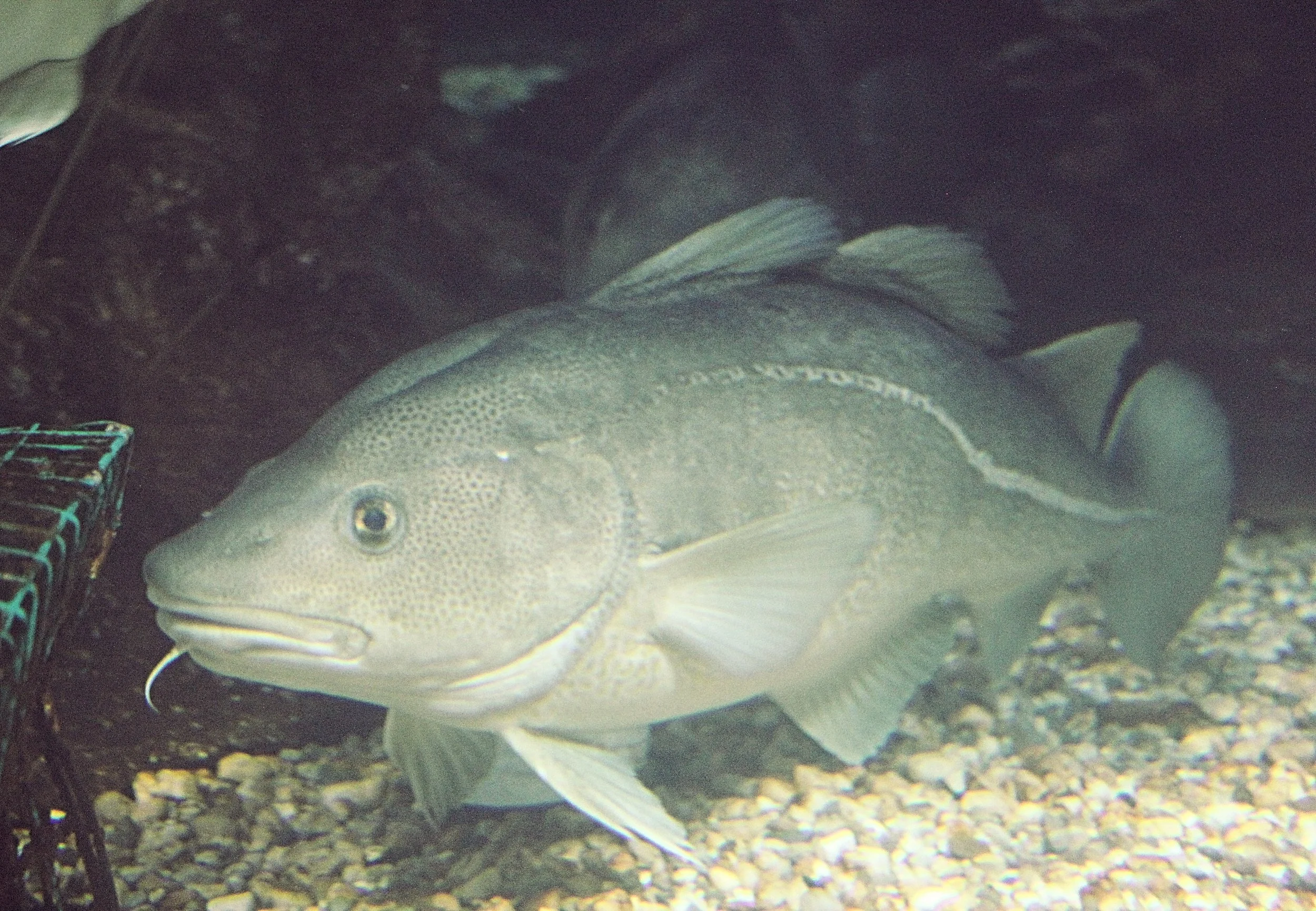
Can a cold loving fish continue to exist in urban-suburban waters and in an ever-warming world?
Late Summer and Autumn is Migration time for Ospreys!
Young ospreys are entirely on their own soon after they are able to fly and capture food. Adult ospreys nurture their offspring until the young are able to feed themselves, then their role as parents is complete.
Support us!
Your efforts will allow Save Coastal Wildlife to protect the unique coastal marine wildlife that live along the Jersey Shore by supporting our programs related to research, educational outreach and conservation.
Join our community and become a member today. Your membership not only grants access to exclusive benefits but also directly supports our mission.
Thank you for choosing to be part of our cause. Together, we can make a positive impact to save coastal wildlife along the Jersey Shore and beyond!
Ready to make a difference? Start your journey by becoming a member now!
BECOME A MEMBER AND JOIN THE FAMILY!
Since 2018
Save Coastal Wildlife Nonprofit has been dedicated to educating people about coastal biodiversity and restoring habitat along the Jersey Shore - from Raritan Bay to Delaware Bay, New Jersey.
We inspire action for greater preservation and empathy for the beautiful biodiversity along the Jersey Shore and our blue planet!
Save Coastal Wildlife is made up of animal lovers, educators, scientists, surfers, naturalists, community leaders and many other people devoted to the protection of the Jersey Shore’s biodiversity.
Save Coastal Wildlife takes action through education, restoration & research!
Threats to Coastal Wildlife
Expanding development, increasing human populations and plastic pollution, and the strengthening effects of global warming and other human induced activities, including bycatch and ghost gear from commercial fishing, and the commercialization of our marine environment, are putting great pressure on many plants and animals, and the coastal-estuarine environment in New Jersey.
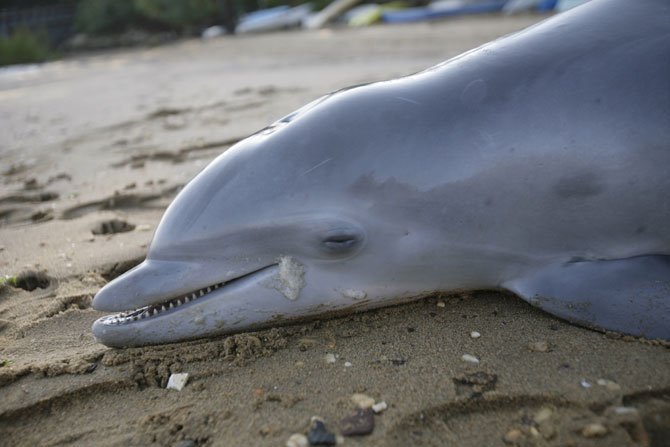
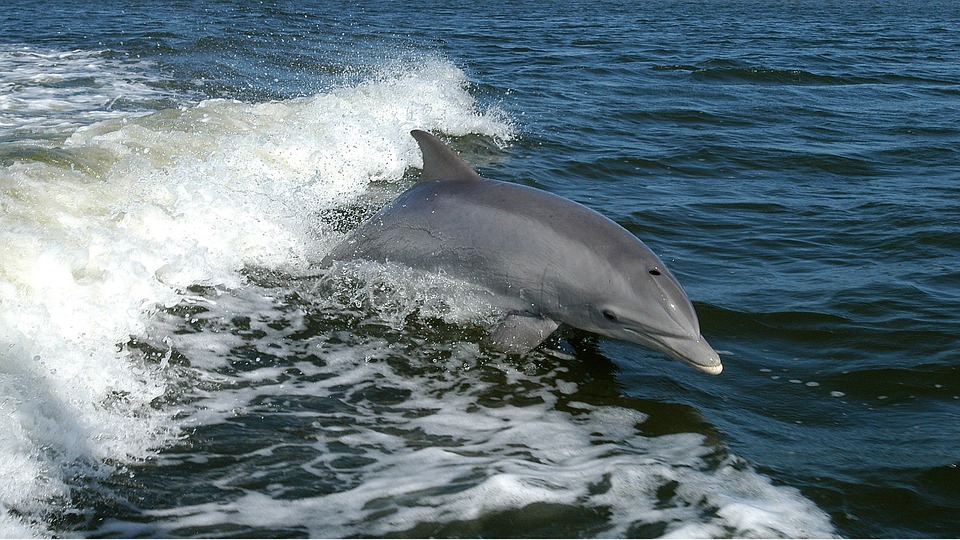
Sub-adult Bottlenose dolphin found dead along the Navesink River 2008.
In 2019 The Atlantic Horseshoe Crab Population
in the New York City region, including Raritan Bay & Sandy Hook Bay in New Jersey, has trended downward from good, to neutral, and now poor as per the Atlantic States Marine Fisheries Commission.
Decreasing fish species along the Jersey Shore:
adult weakfish populations have been on the decline since 2003, and adult winter flounder populations have been steadily declining since the early 1980s, according to the Atlantic States Marine Fisheries Commission. In 2014, the International Union for the Conservation of Nature (IUCN) listed the American eel as “Endangered” on the Red List. The Atlantic sturgeon population along the Atlantic coast are endangered, including in the New York Bight and Chesapeake Bay. The Winter Skate population has seen a staggering 90% reduction in mature individuals since the 1970s due to bottom trawling, where it is often accidentally caught, and many species of sharks are in decline including the Great White shark, both the Scalloped Hammerhead and Great Hammerhead sharks, tiger sharks and sandbar sharks primarily due to unsustainable fishing practices, bycatch, and slow reproduction rates, leading many species of sharks to be classified as endangered or critically endangered on the IUCN Red List.
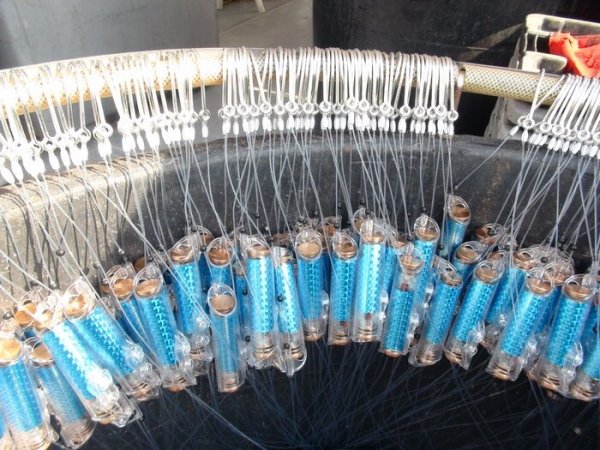
A mako shark (Isurus oxyrinchus) is seen hanging from a longline hook, emphasizing bycatch activities and the impact of indiscriminate fishing practices on marine species from commercial fishing.
Over 30 Species of wildlife
that breed, migrate or overwinter along the Jersey Shore are listed by the State of New Jersey as endangered, threatened, or a species of special concern including several species of whales, turtles, and coastal birds.
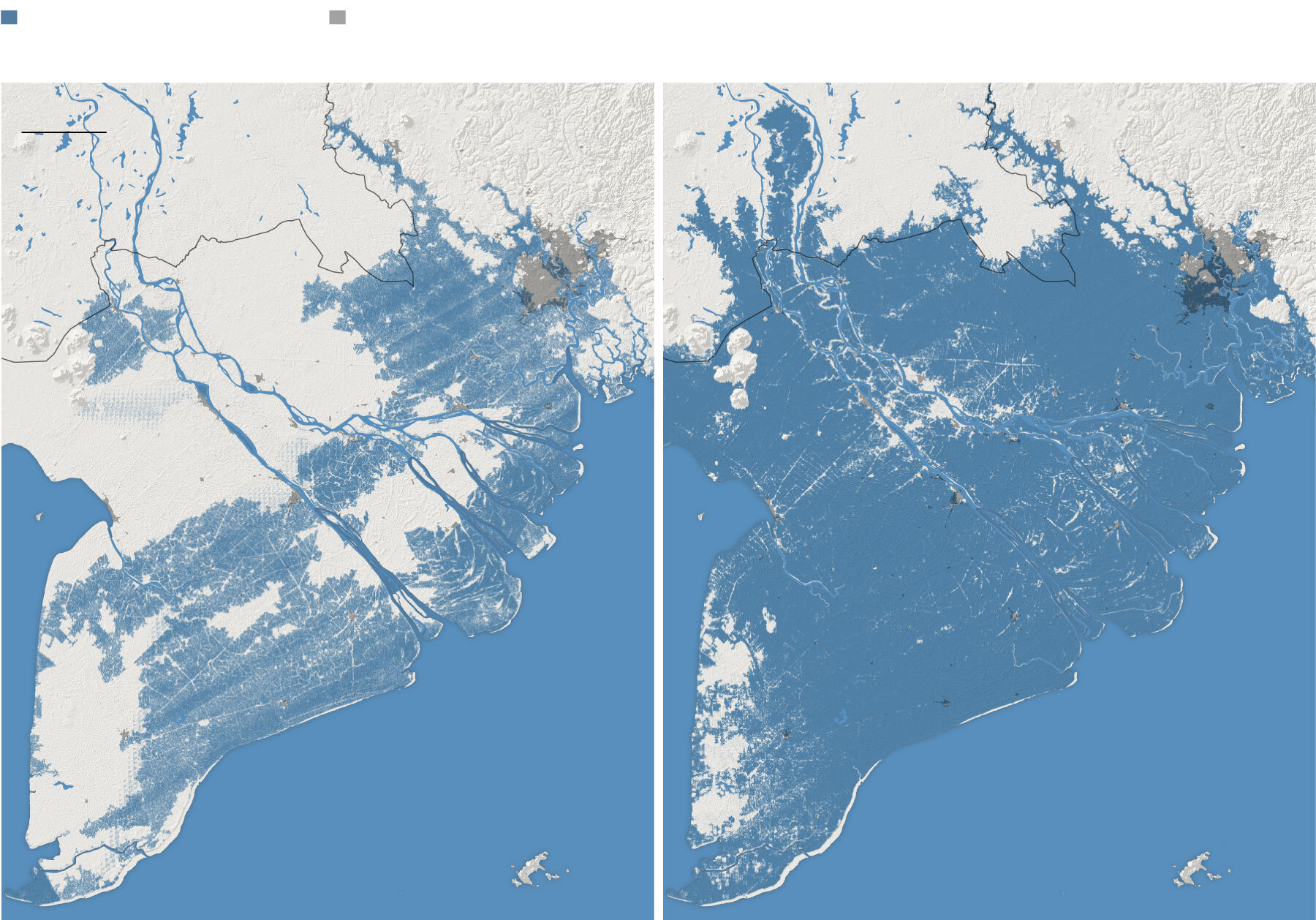
Over 600% along the New Jersey Shore
is the percentage of tidal flood events that have increased in the past 60 years due to sea level rise from melting land-based glaciers in mountainous and polar regions in the North Atlantic, especially Greenland, due to global warming.
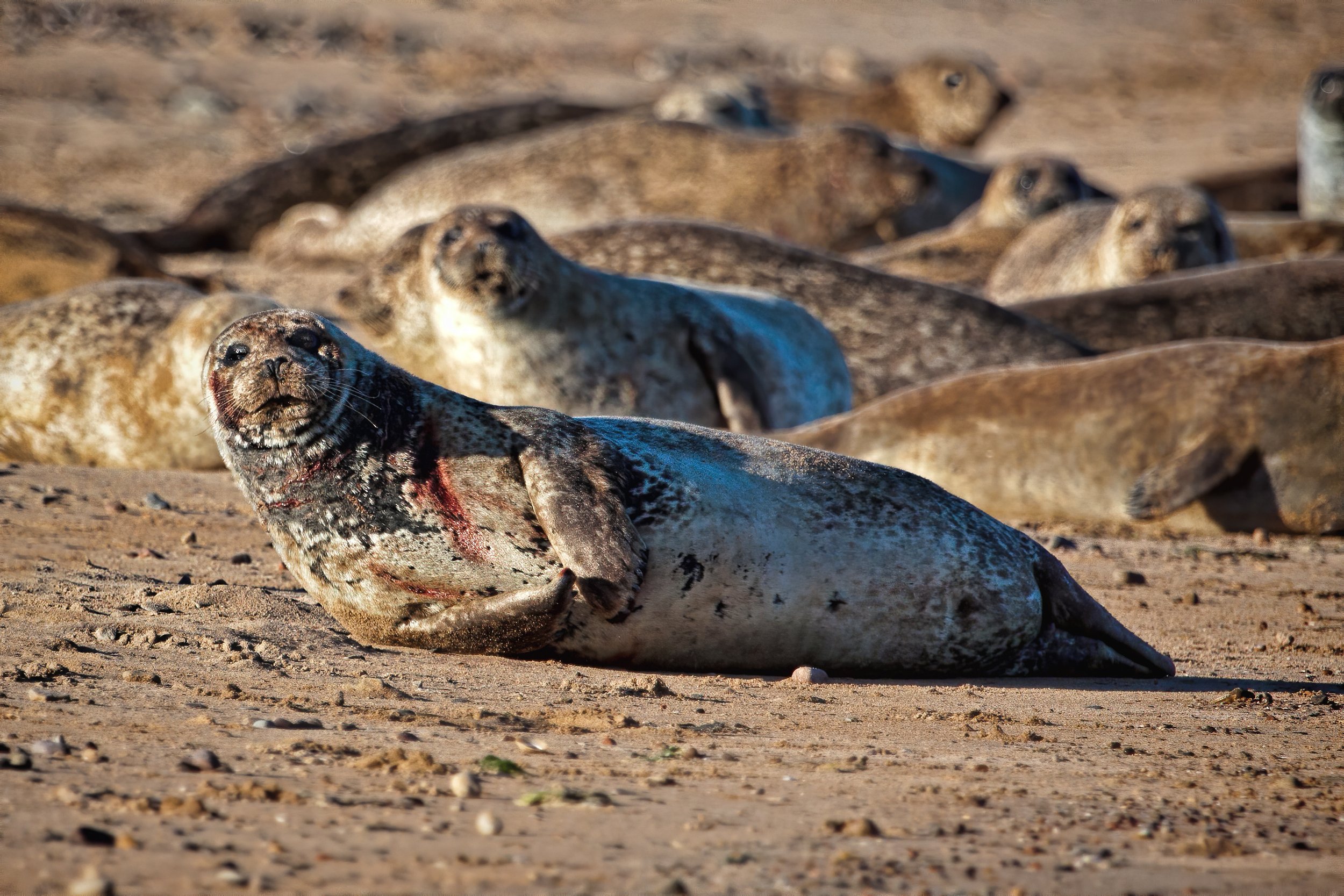
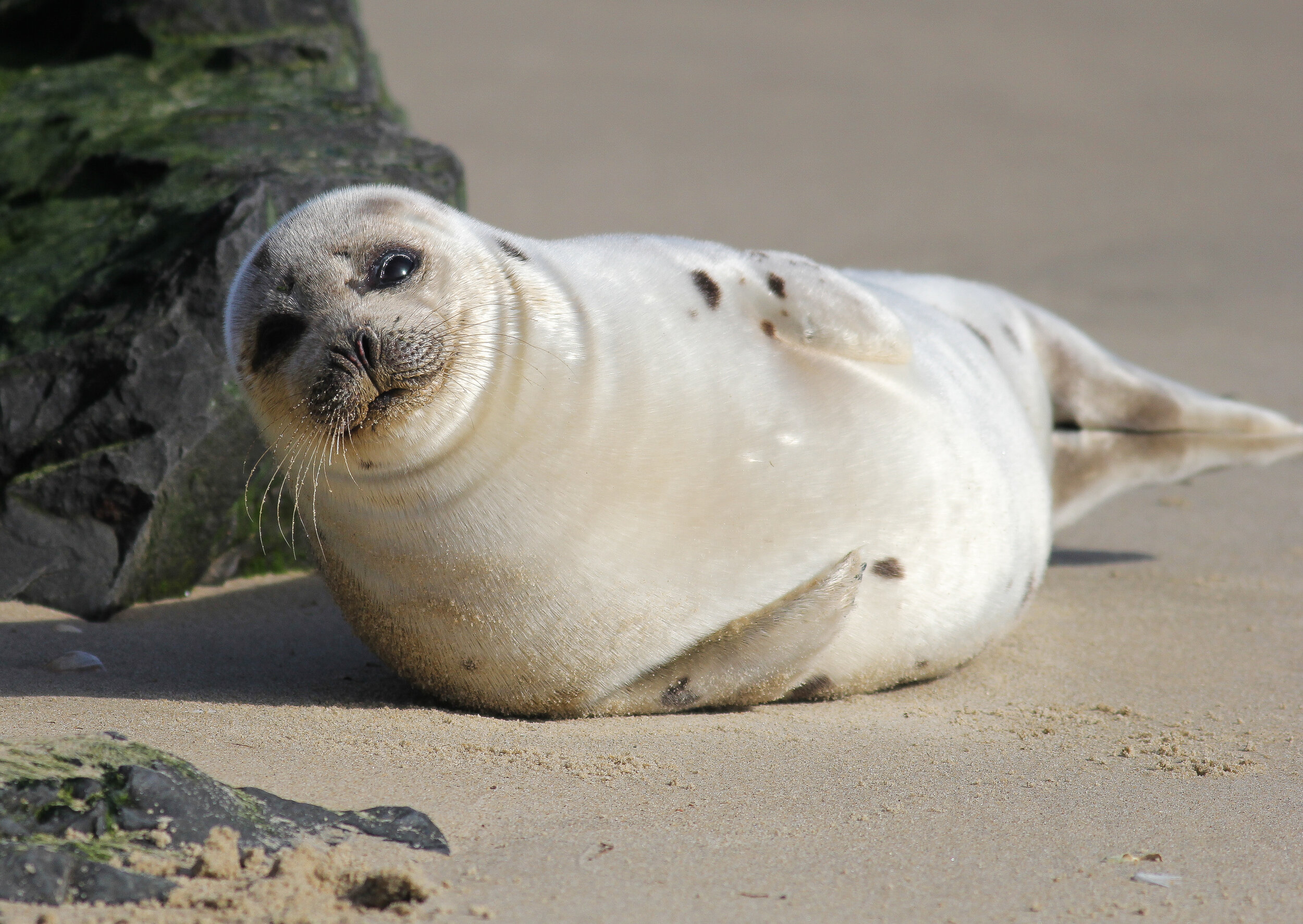
Injured female harbor seal with fresh wounds caused by a boat propeller.
Over 70% of Seabird & Shorebird
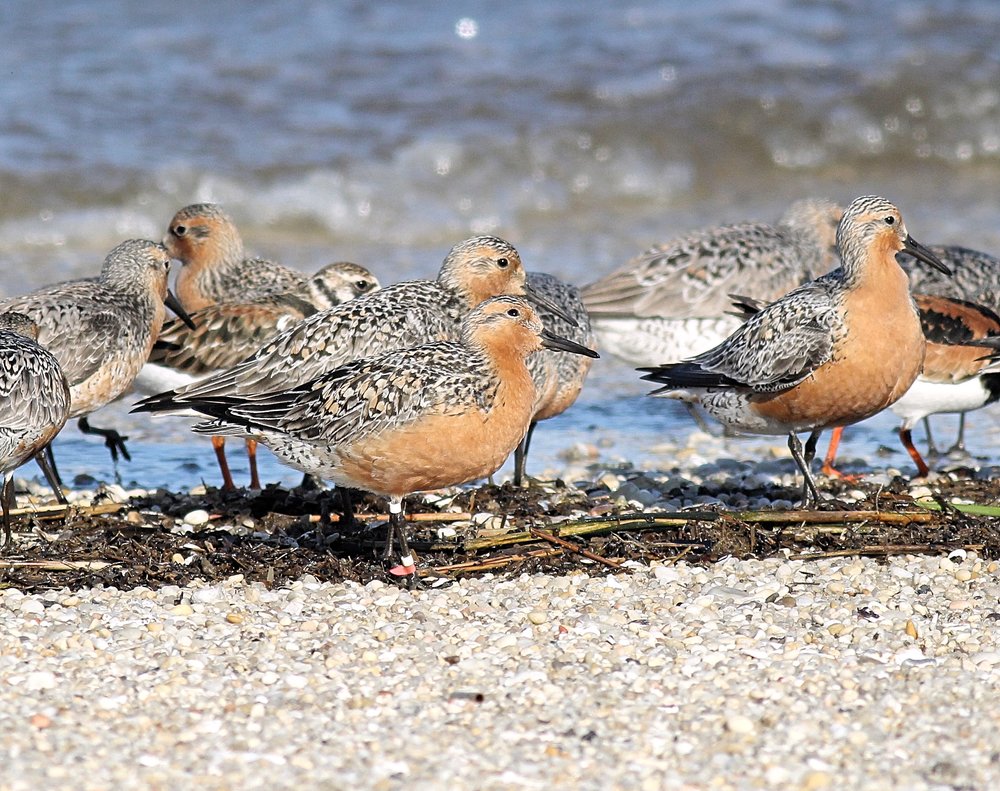
populations have declined in the past 50 years in the United States as they compete with people for food and space to rest and feed during migration. According to Cornell University, analyses of eBird Trends show steep declines for nearly all North American seabird species throughout their ranges between 2012 and 2022. New Jersey's coastal birds are facing declines due to factors like habitat loss from sea-level rise, reduced food availability from horseshoe crab population issues, and climate change impacts including Rufa Red Knots, Least Terns, Piping Plovers, and Black Skimmers.
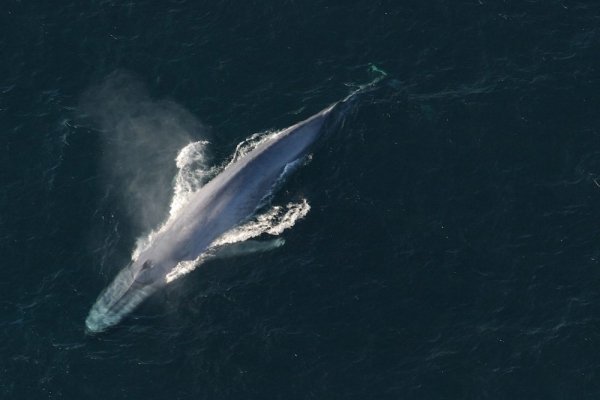
Over 150 mortalities of Humpback, Minke, and Northern Right whale species
have occurred in the New York-New Jersey Bight since 2017 with many showing evidence of human interaction, either ship strikes, plastic ingestion, or entanglement in commercial fishing gear.
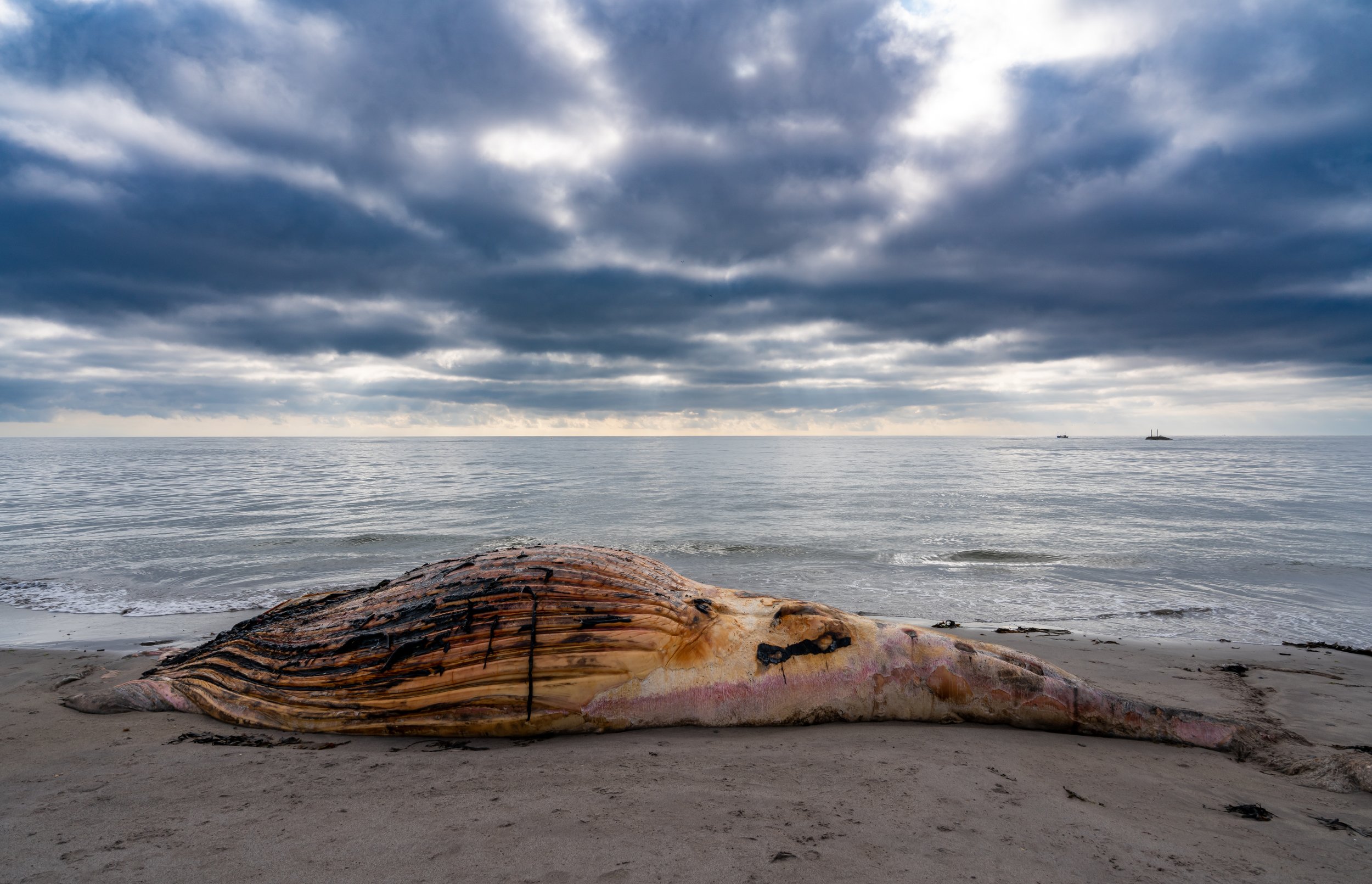
The carcass of a juvenile humpback whale. Cause of death undetermined, but likely hit by a ship in the Atlantic Ocean.
More Insights About Coastal Wildlife
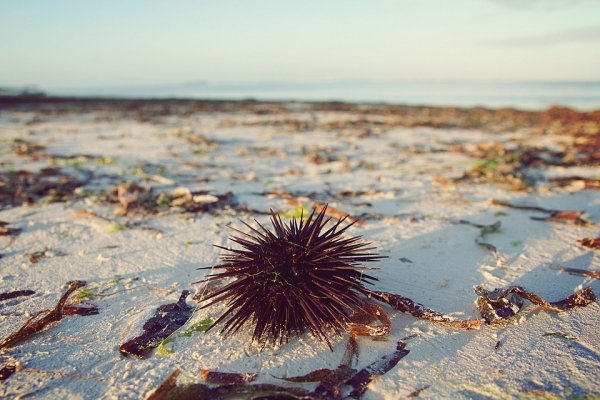
The abundance of oceanic sharks and rays dropped more than 70% between 1970 and 2018
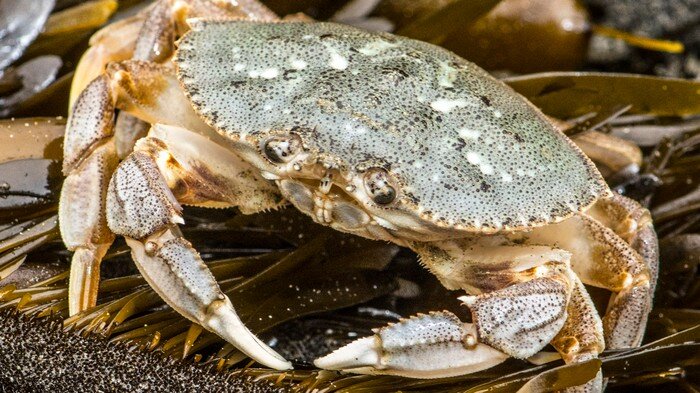
The U.S. West Coast Is Now So Acidic That It's Dissolving Baby Crab Shells
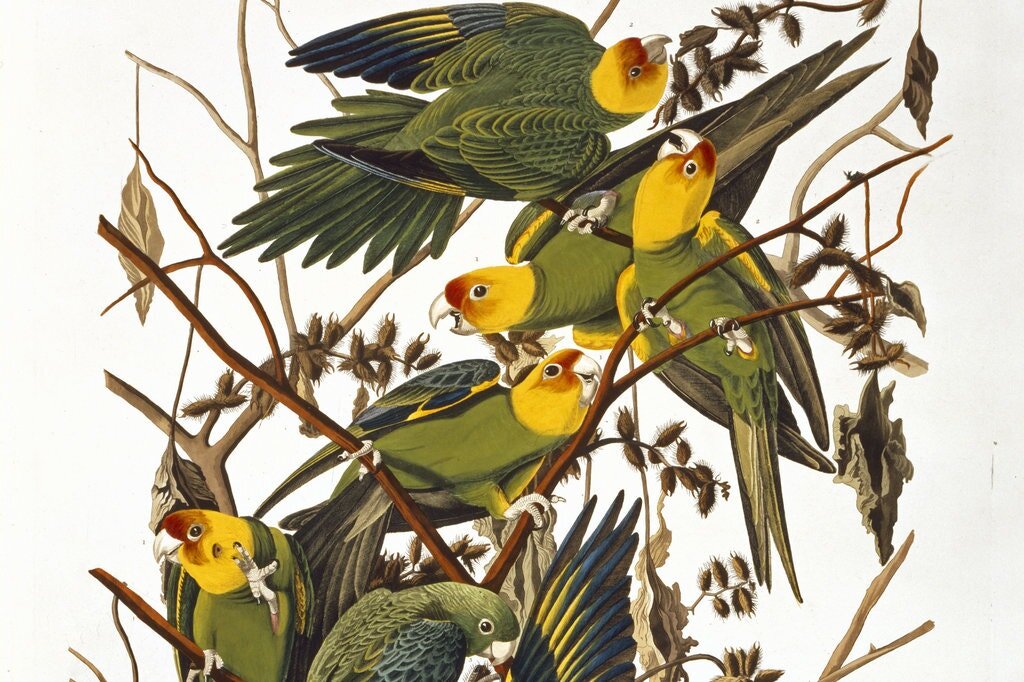
Once, America Had Its Own Parrot: The Carolina parakeet was beautiful, and doomed. What could have driven it to extinction?
We’re recycling but garbage keeps piling up: What you may not know about the recycling industry
THE BLOOD OF THE CRAB: Horseshoe Crab blood is an irreplaceable medical marvel, and biomedical companies are bleeding thousands of crabs and throwing them back in the ocean.
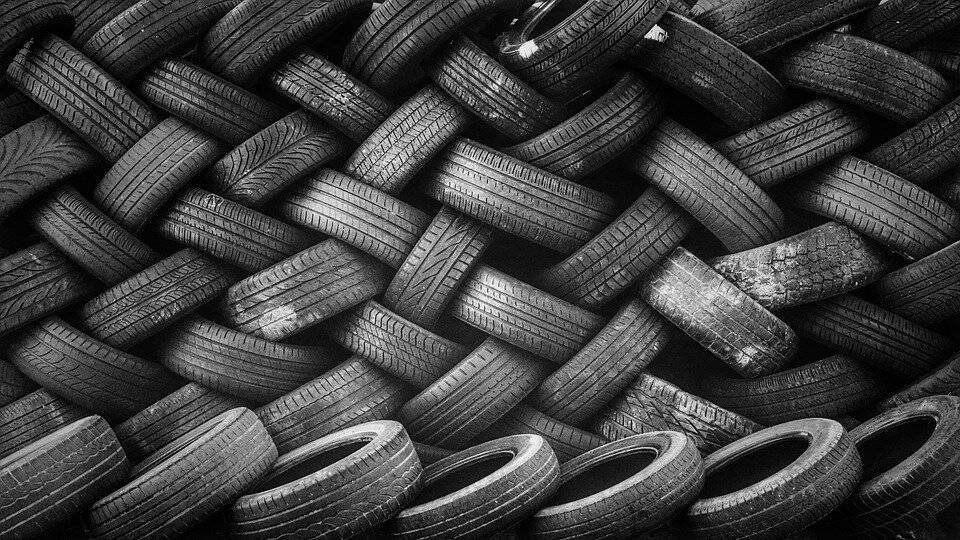
The biggest source of microplastics in California coastal waters? Car tires
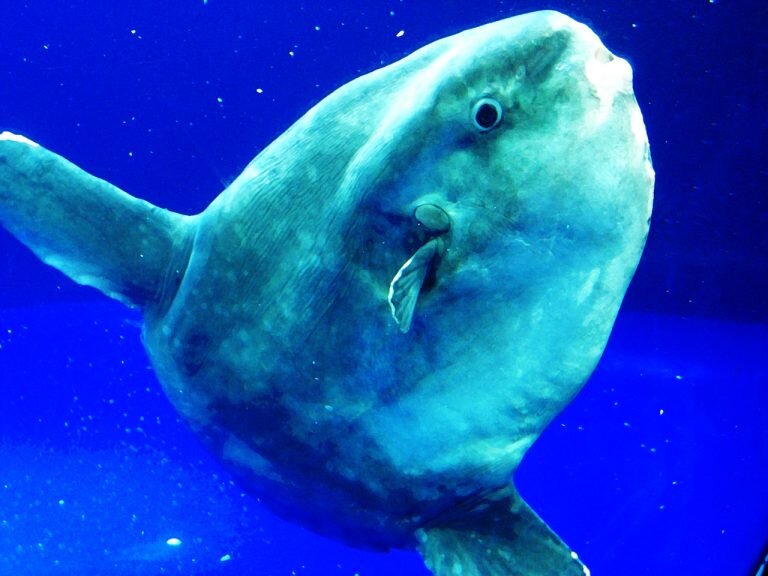
‘Weirdest fish in the ocean’ makes rare appearance in N.J.’s Barnegat Bay
In Defense of Sea Gulls: They’re Smart, and They Co-Parent, 50/50 All the Way. Besides, if people weren’t such slobs, gulls would never have learned about French fries.
Plastic pollution is making seabirds smaller and sicker, a study has found
California sound system tries to keep whales and ships apart
Your favorite pristine beach is founded on mass invertebrate death
Eating Even One Piece of Plastic Has Health Consequences for Baby Seabirds
“The more clearly we can focus our attention on the wonders and realities of the universe about us, the less taste we shall have for destruction.”
~ Quote from Rachel Carson, Silent Spring (1962).
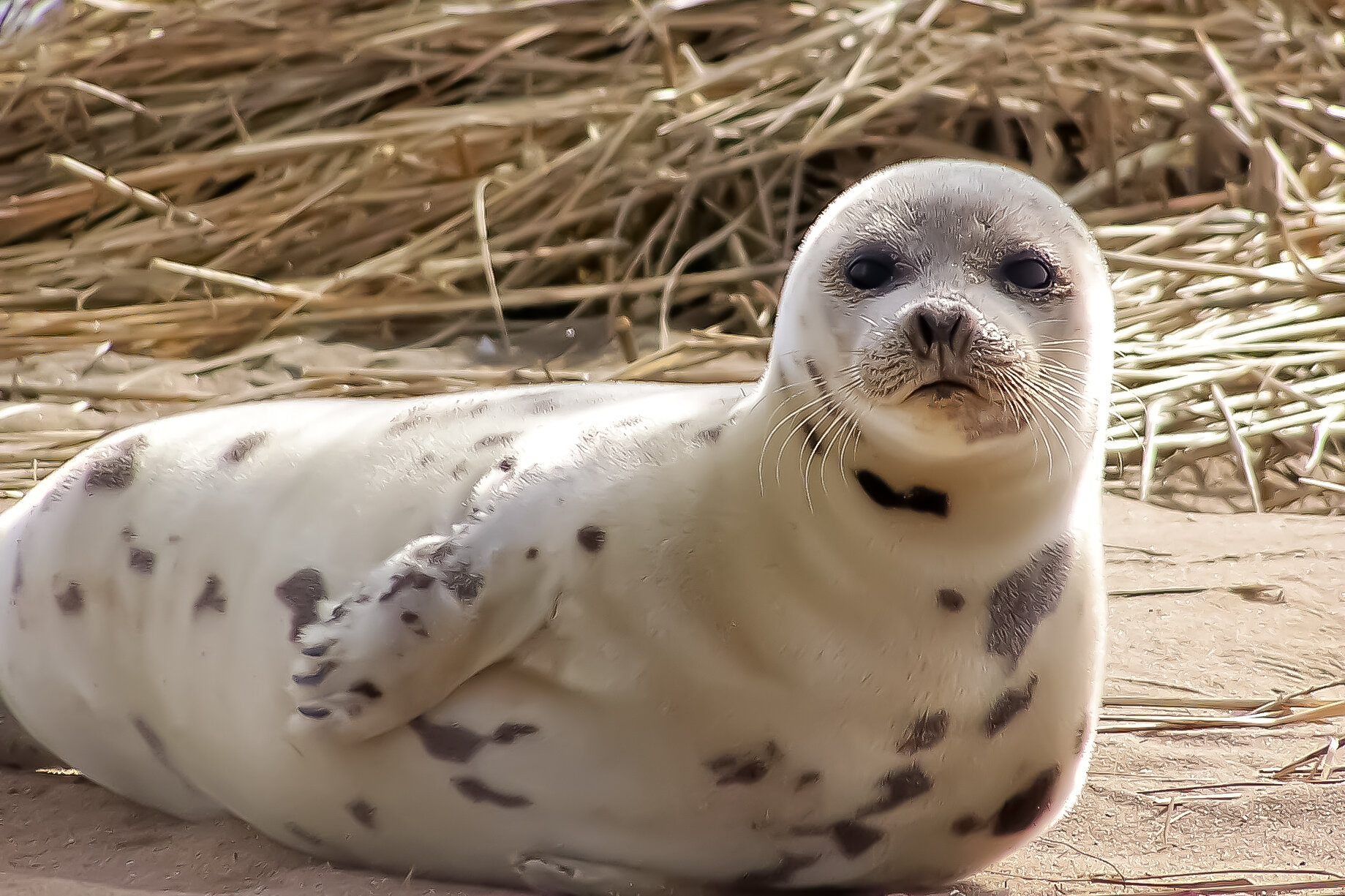
Pagophilus groenlandicus
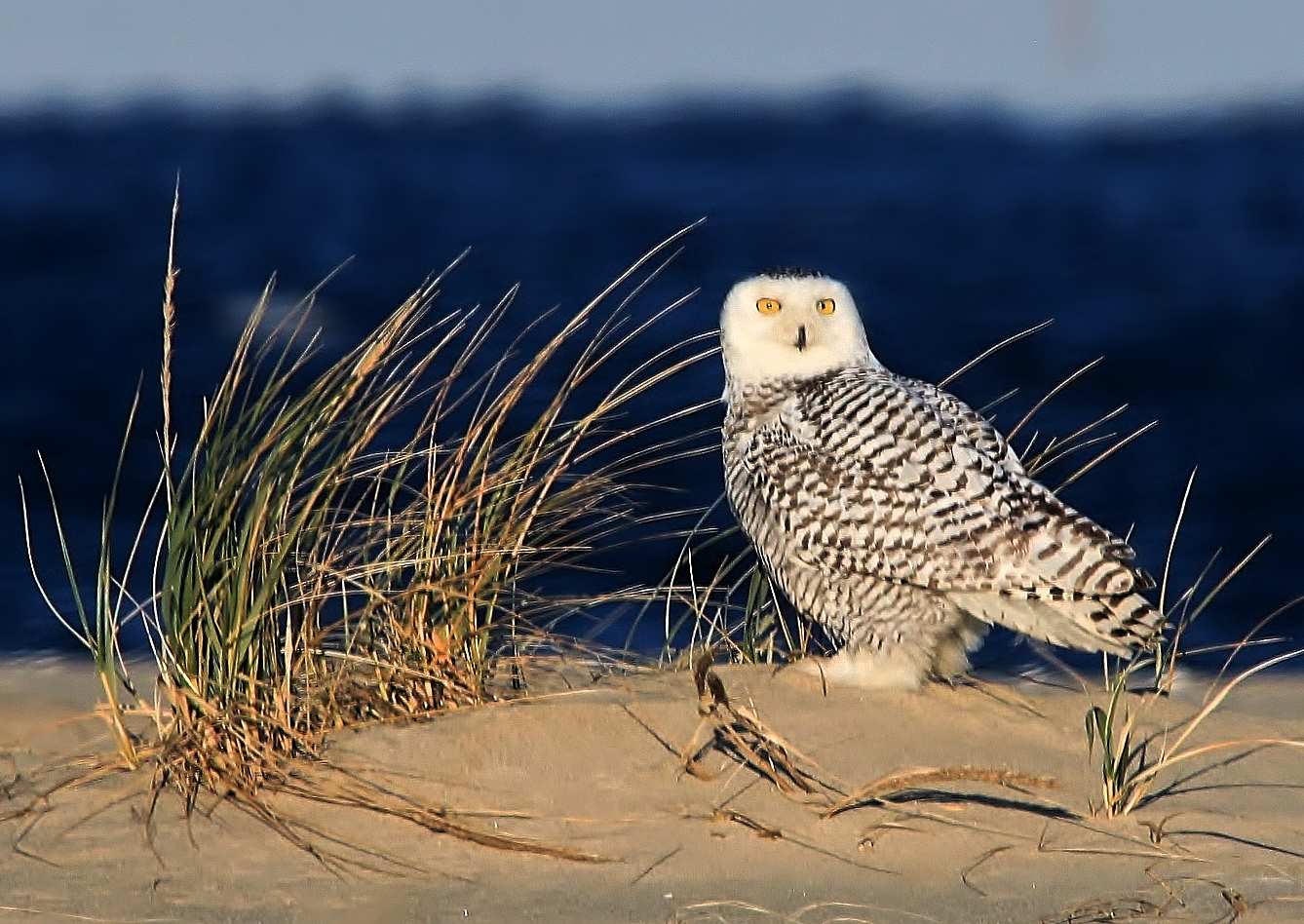
Bubo scandiacus
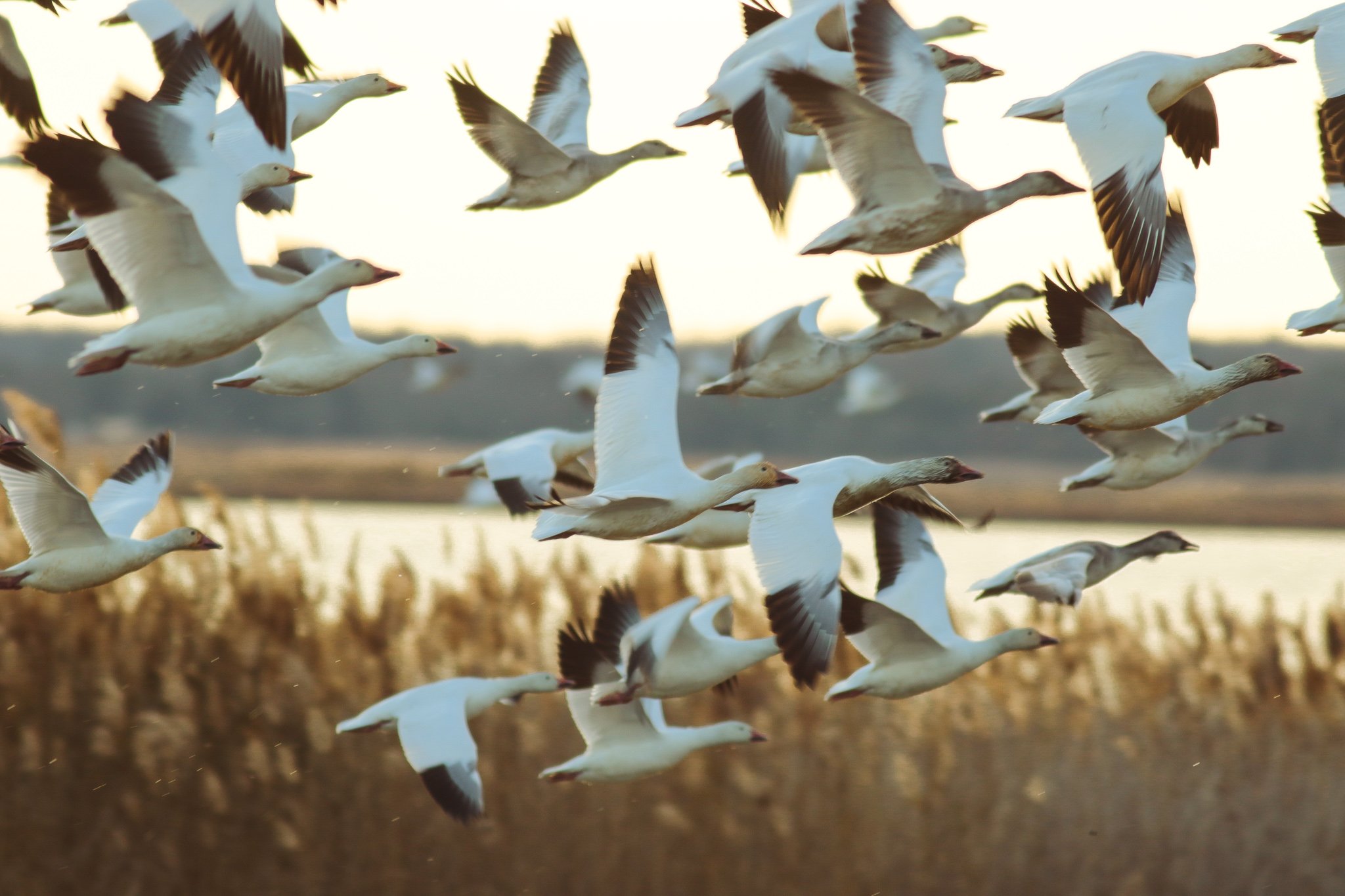
Anser caerulescens
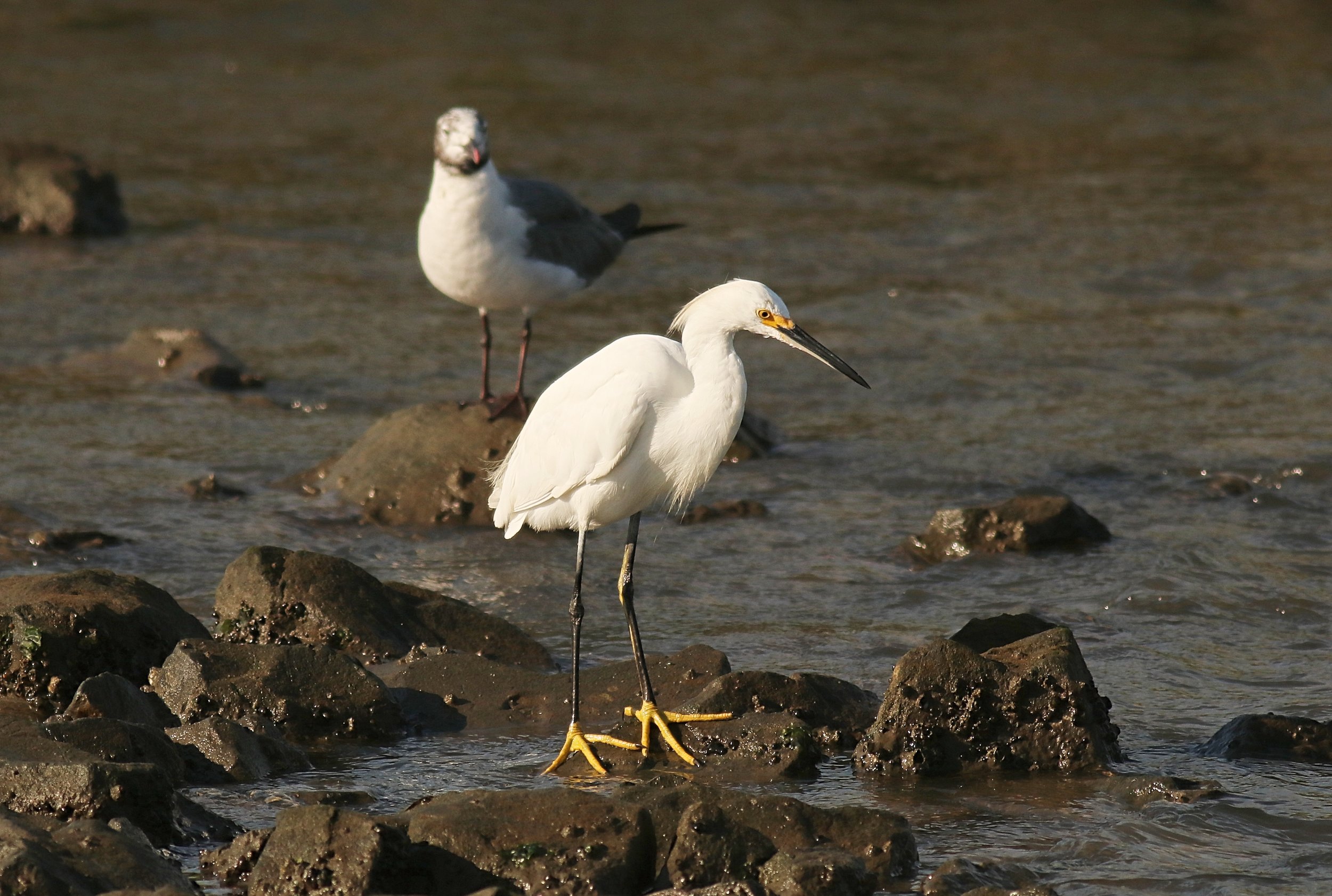
Egretta thula
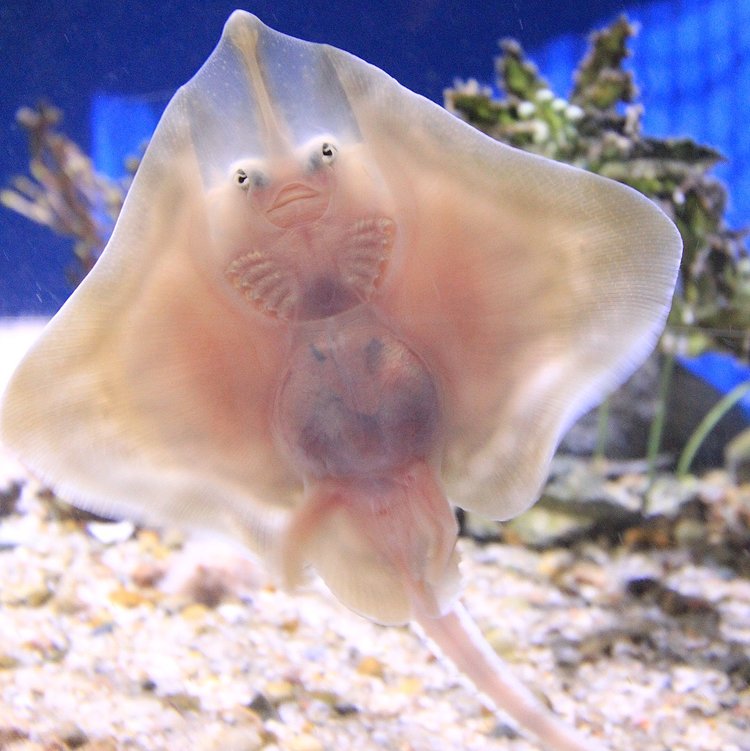
Raja eglanteria
Pagophilus groenlandicus
Malaclemys terrapin
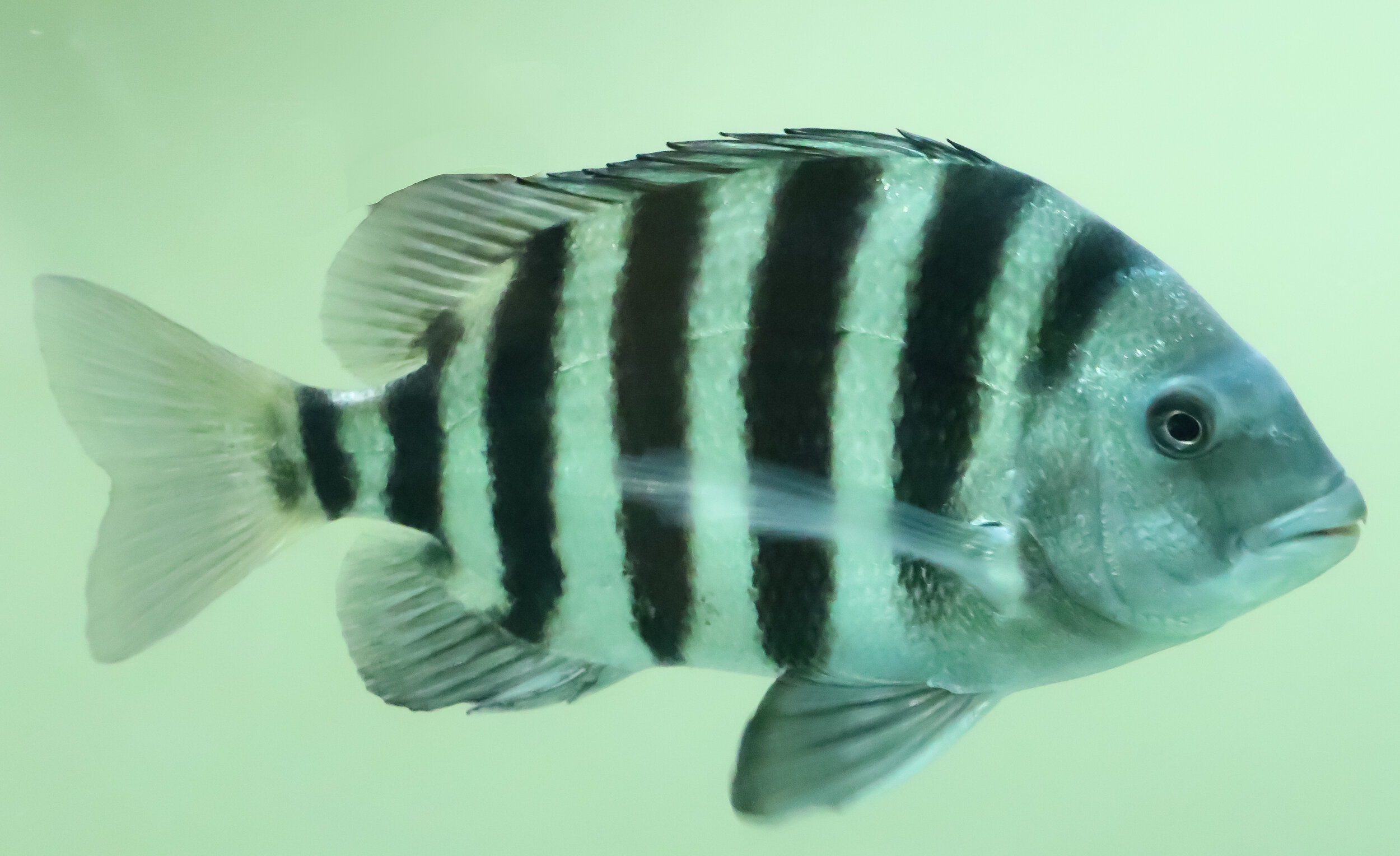
Archosargus probatocephalus
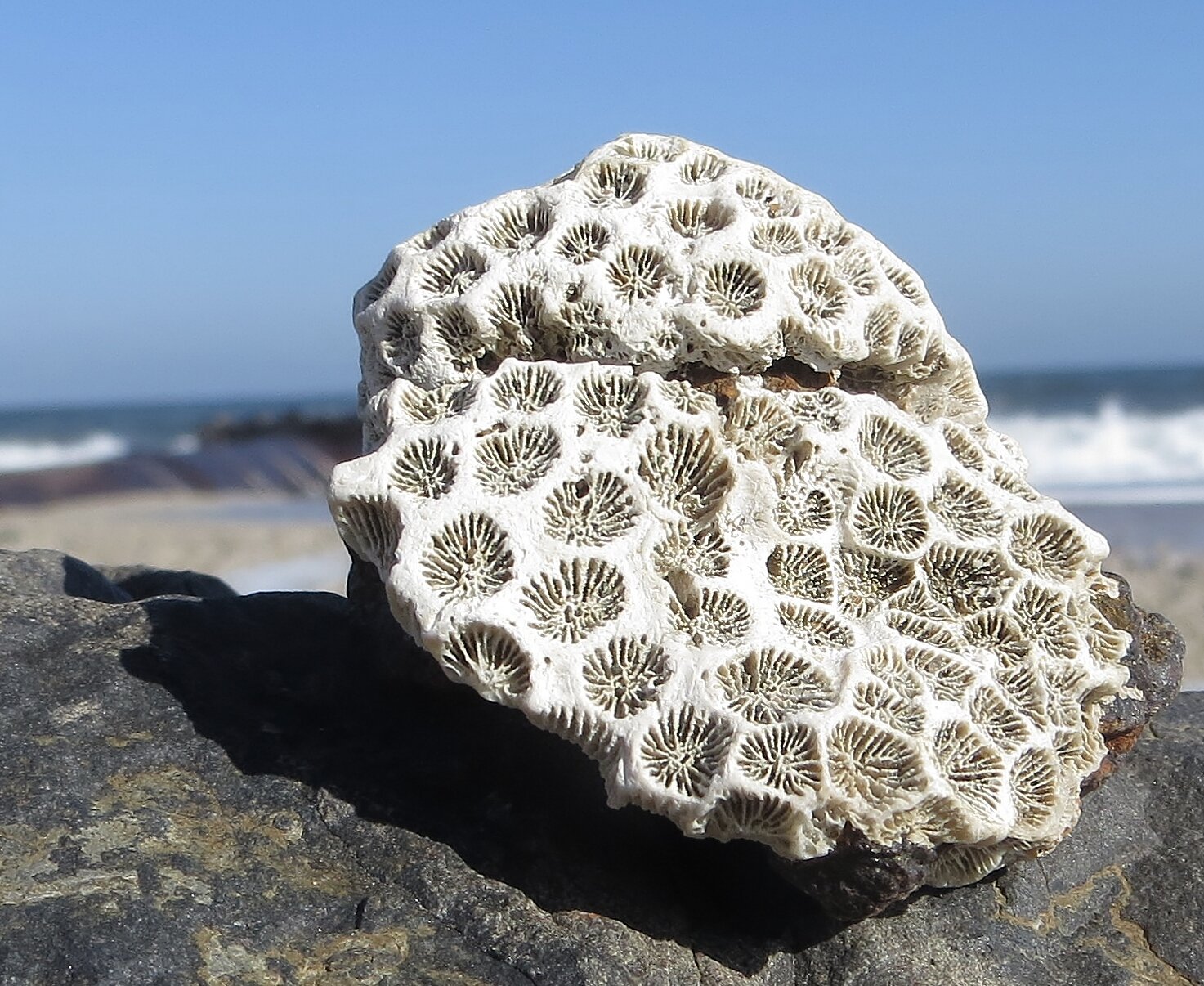
Astrangia poculata
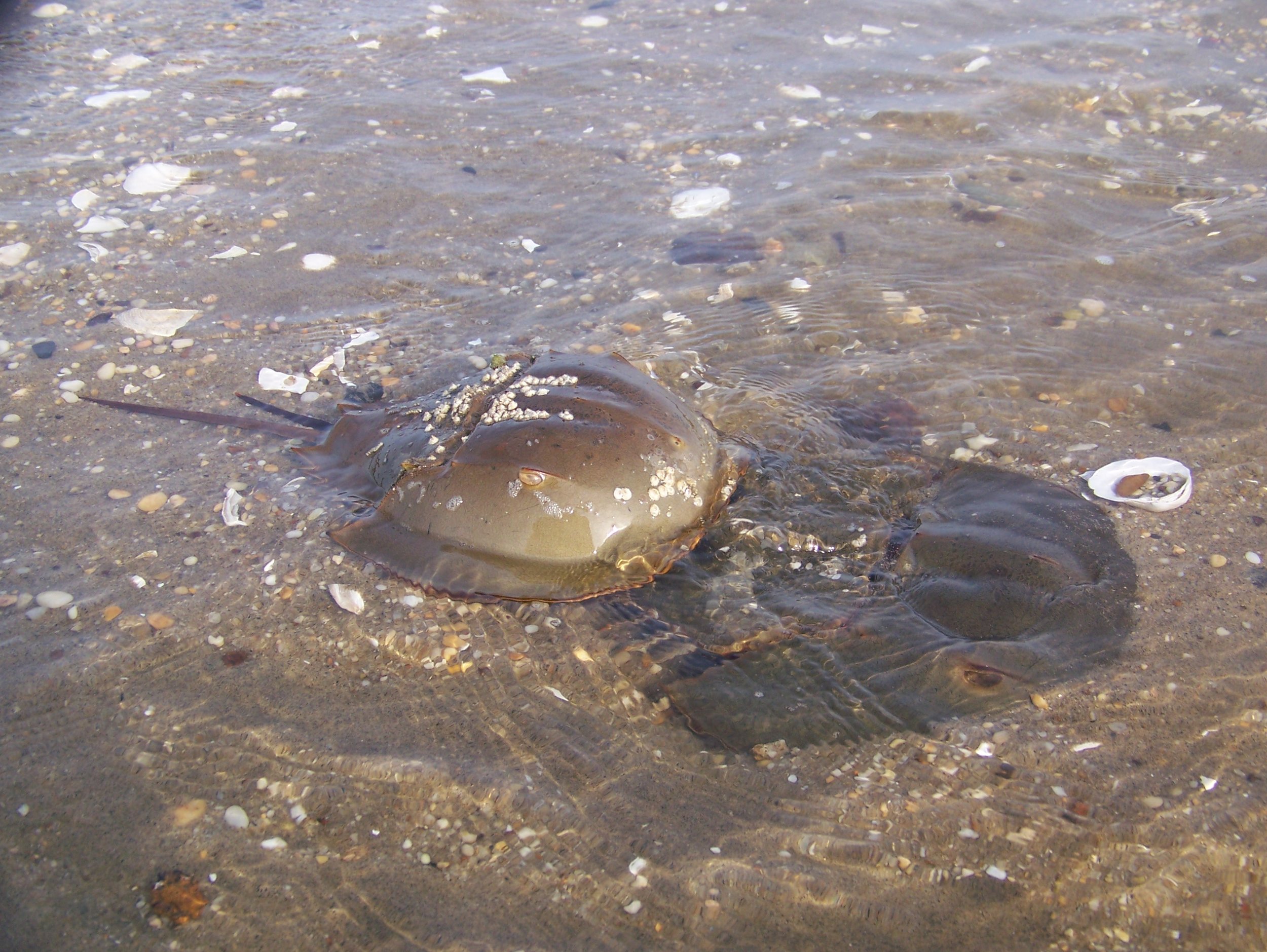
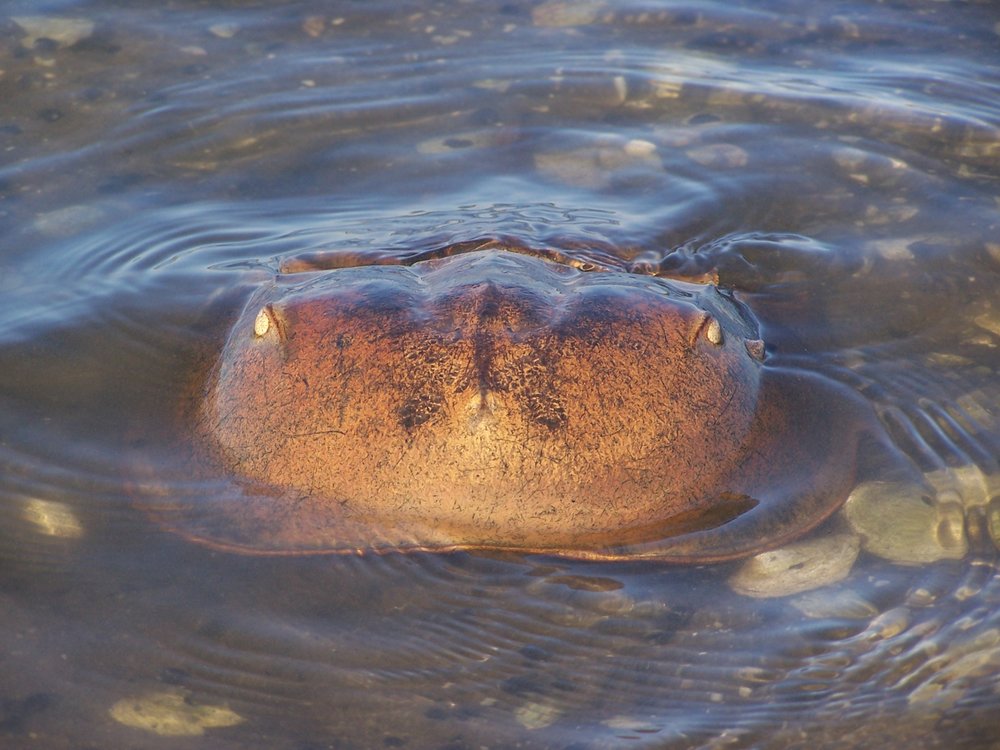
Limulus polyphemus
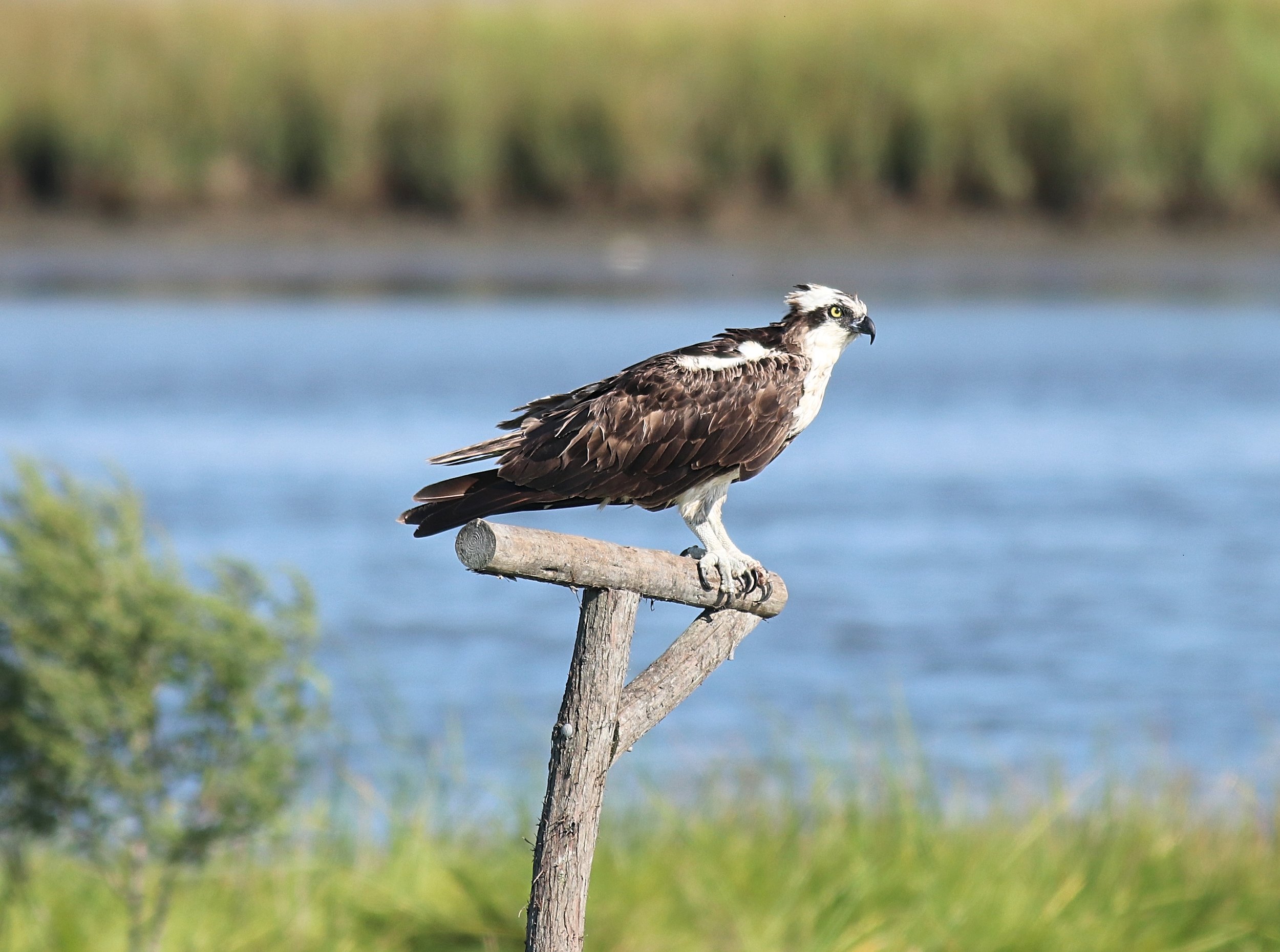
Pandion haliaetus
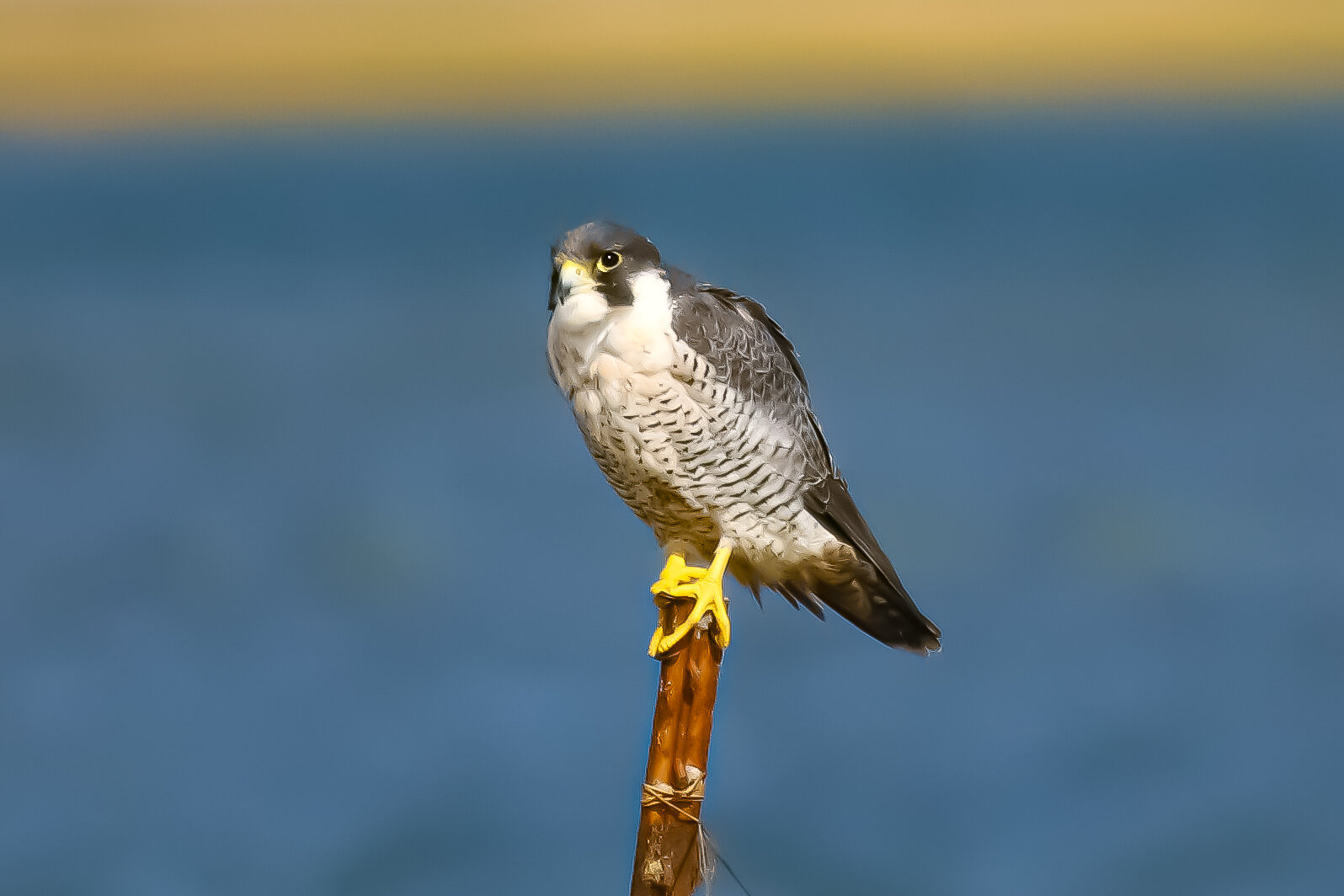
Falco peregrinus
Phoca vitulina
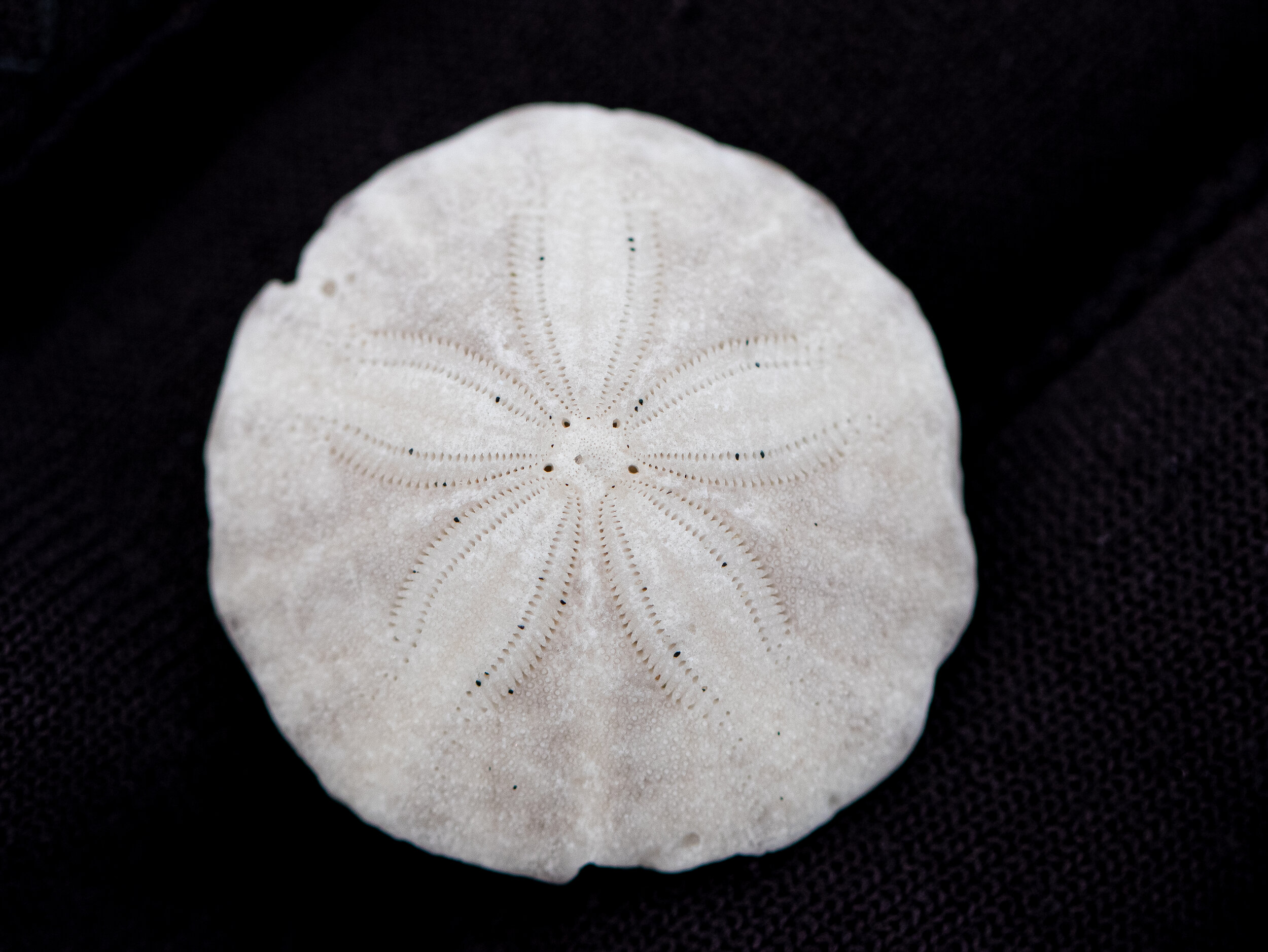
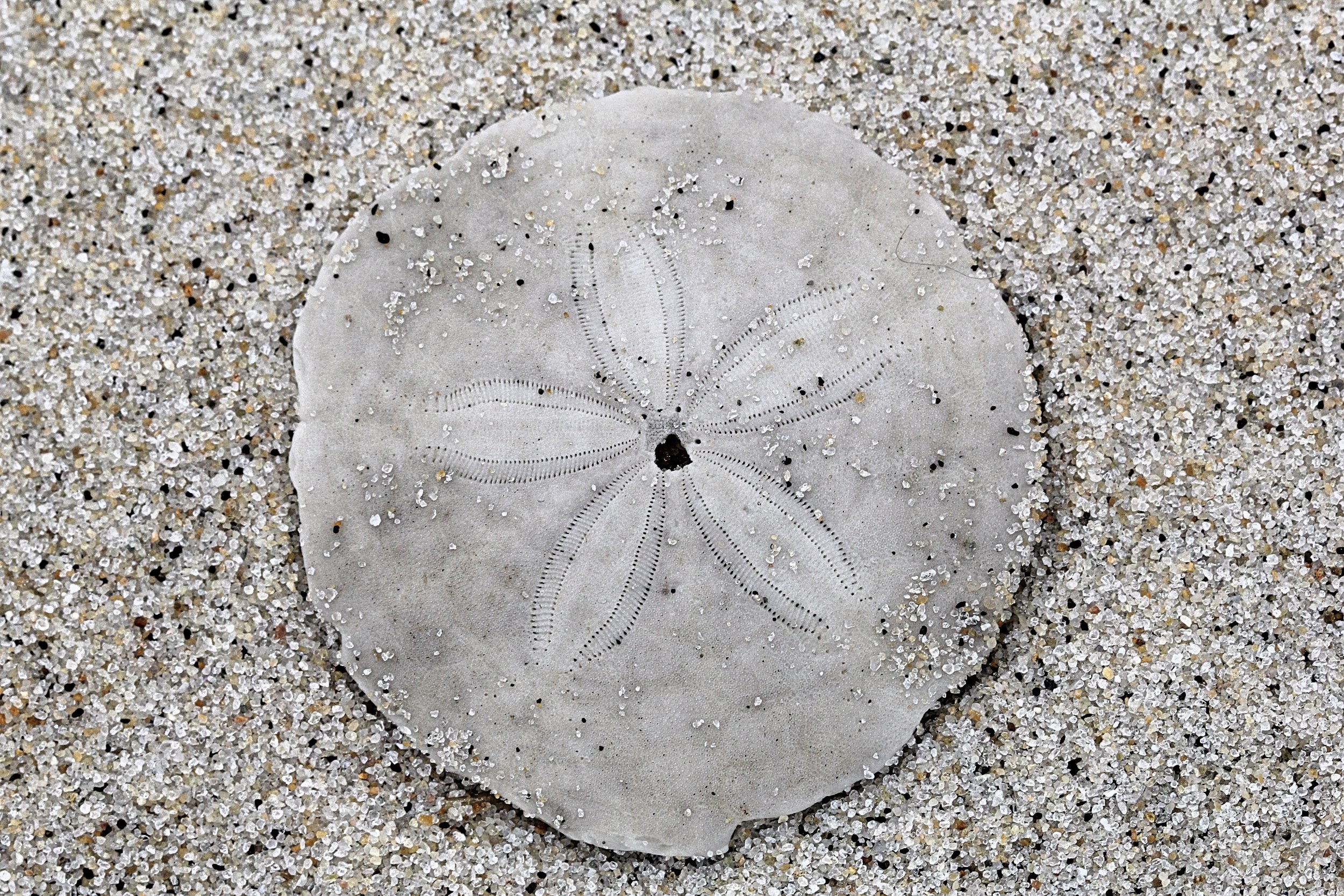
Echinarachnius parma
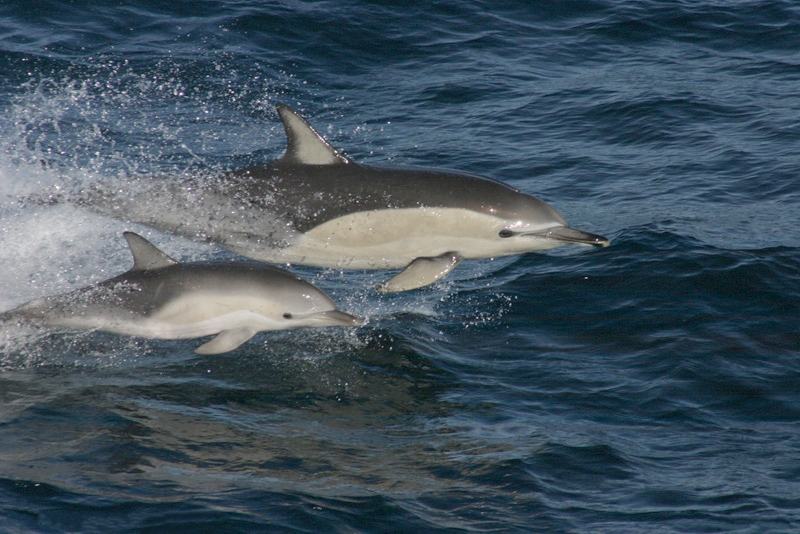
Delphinus delphis
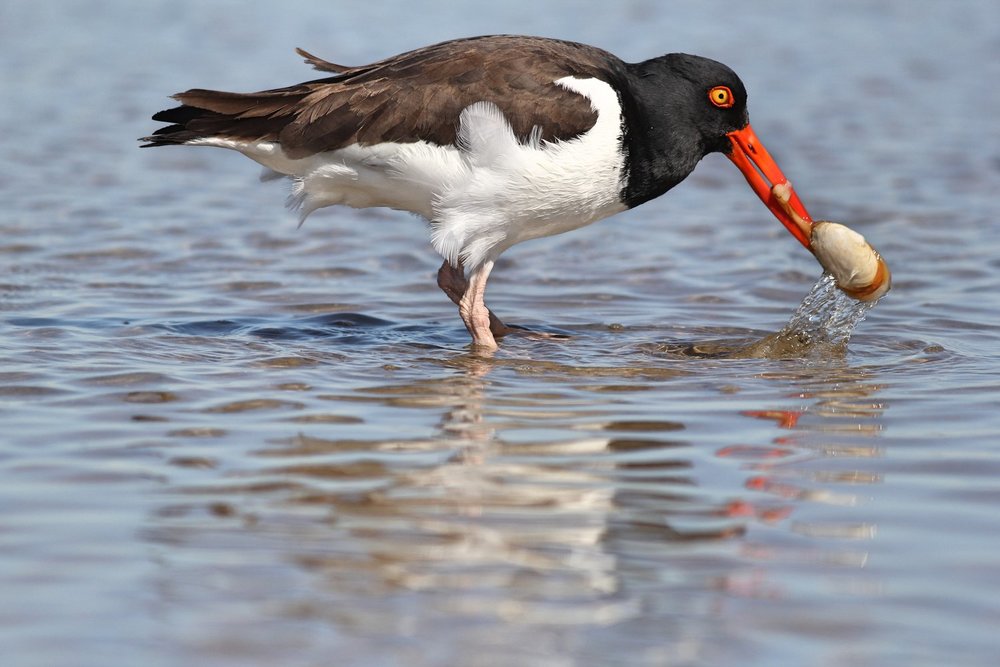
Haematopus palliatus
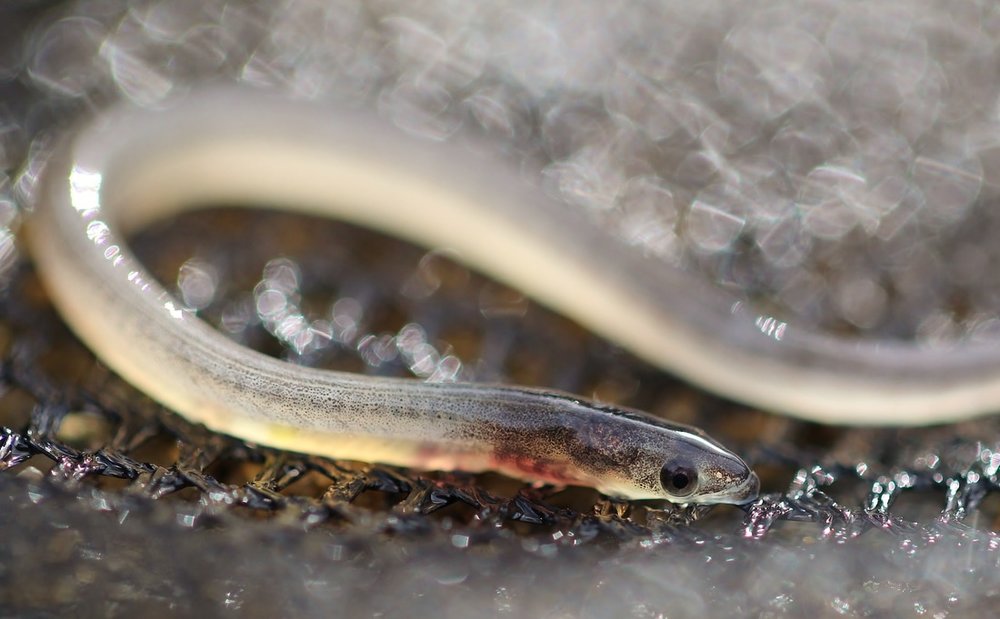
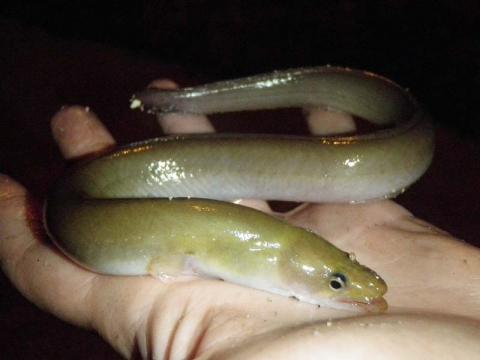
Anguilla rostrata
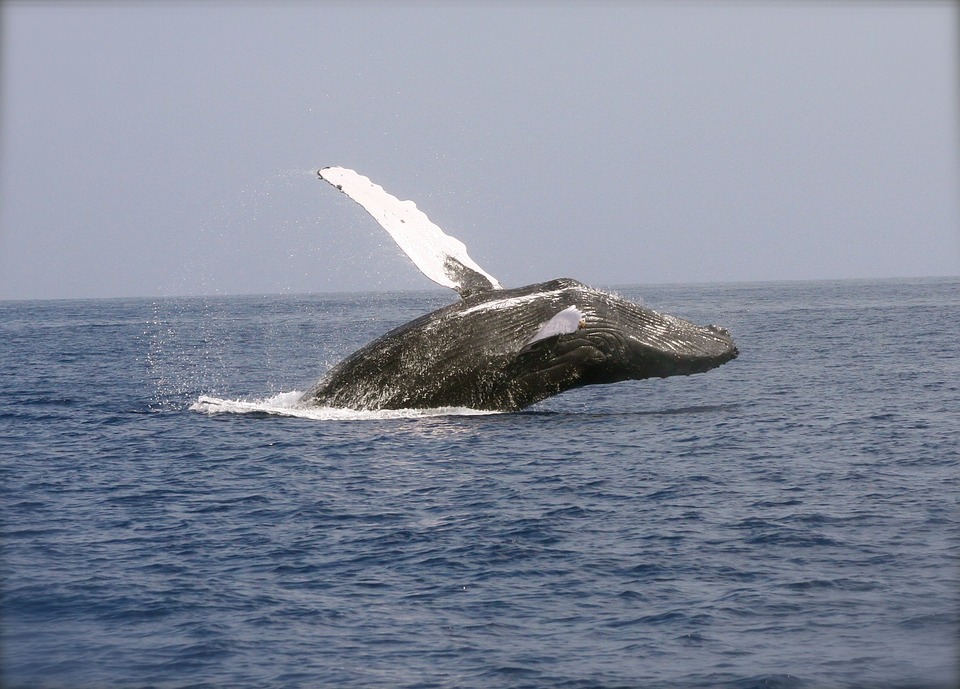
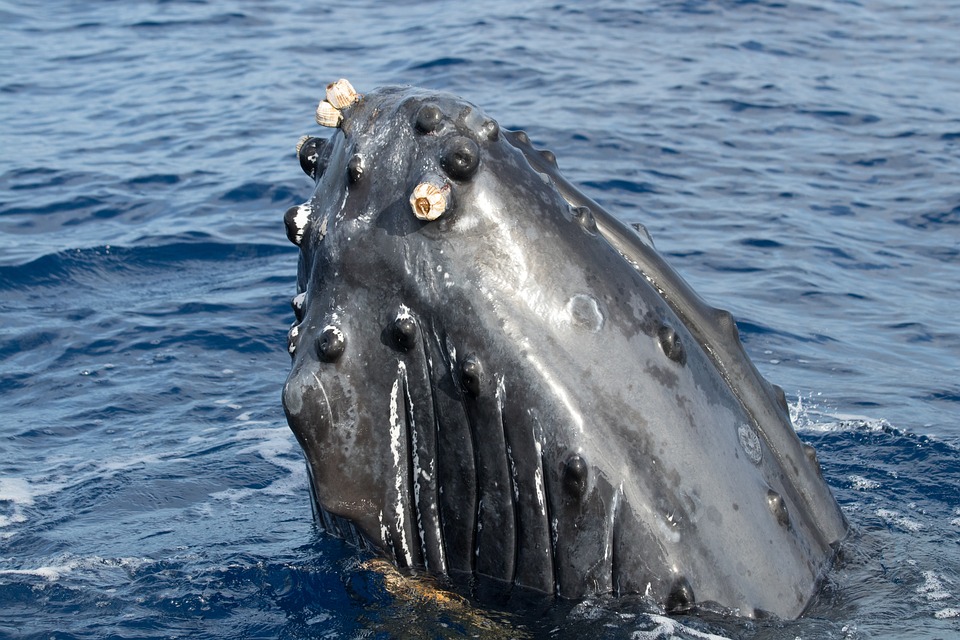
Megaptera novaeangliae
Acipenser oxyrhynchus oxyrhynchus
Melanitta perspicillata
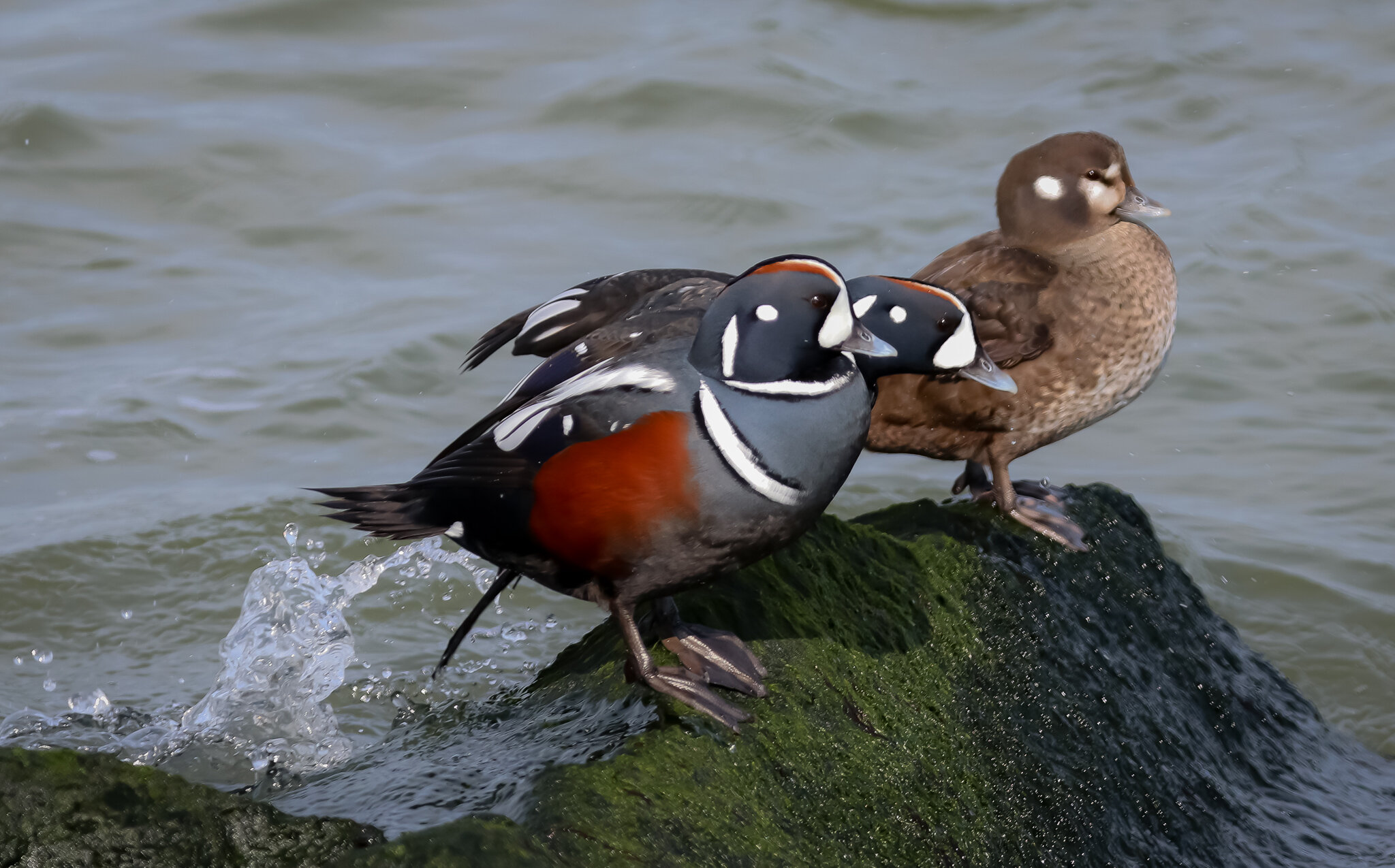
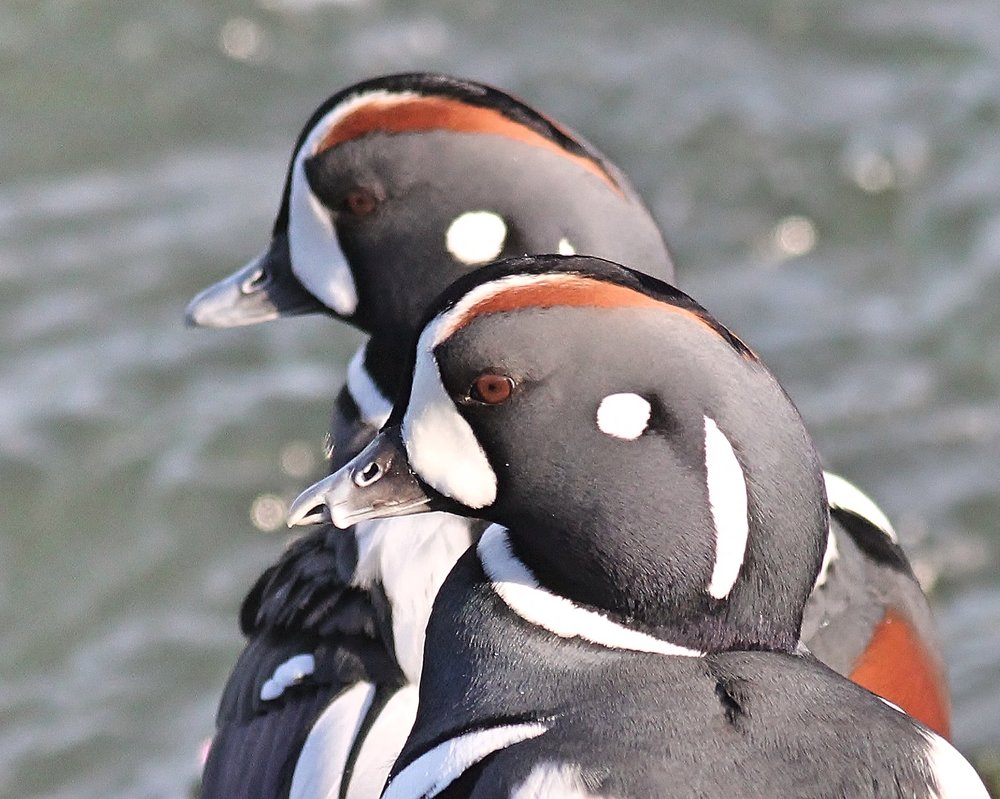
Histrionicus histrionicus
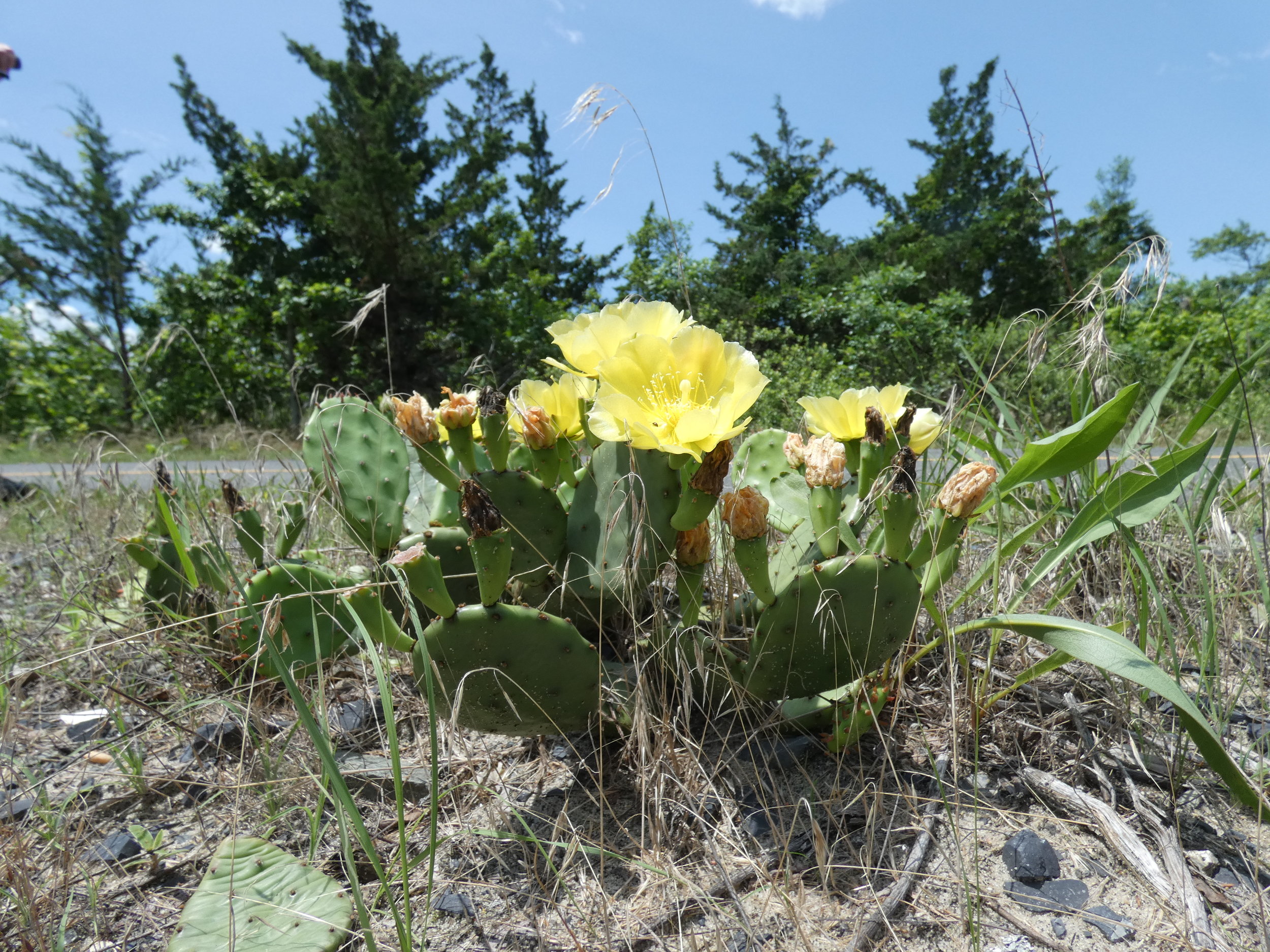
Opuntia
Pagophilus groenlandicus
Menticirrhus saxatilis
Caretta caretta
Tursiops truncatus
Pandion haliaetus
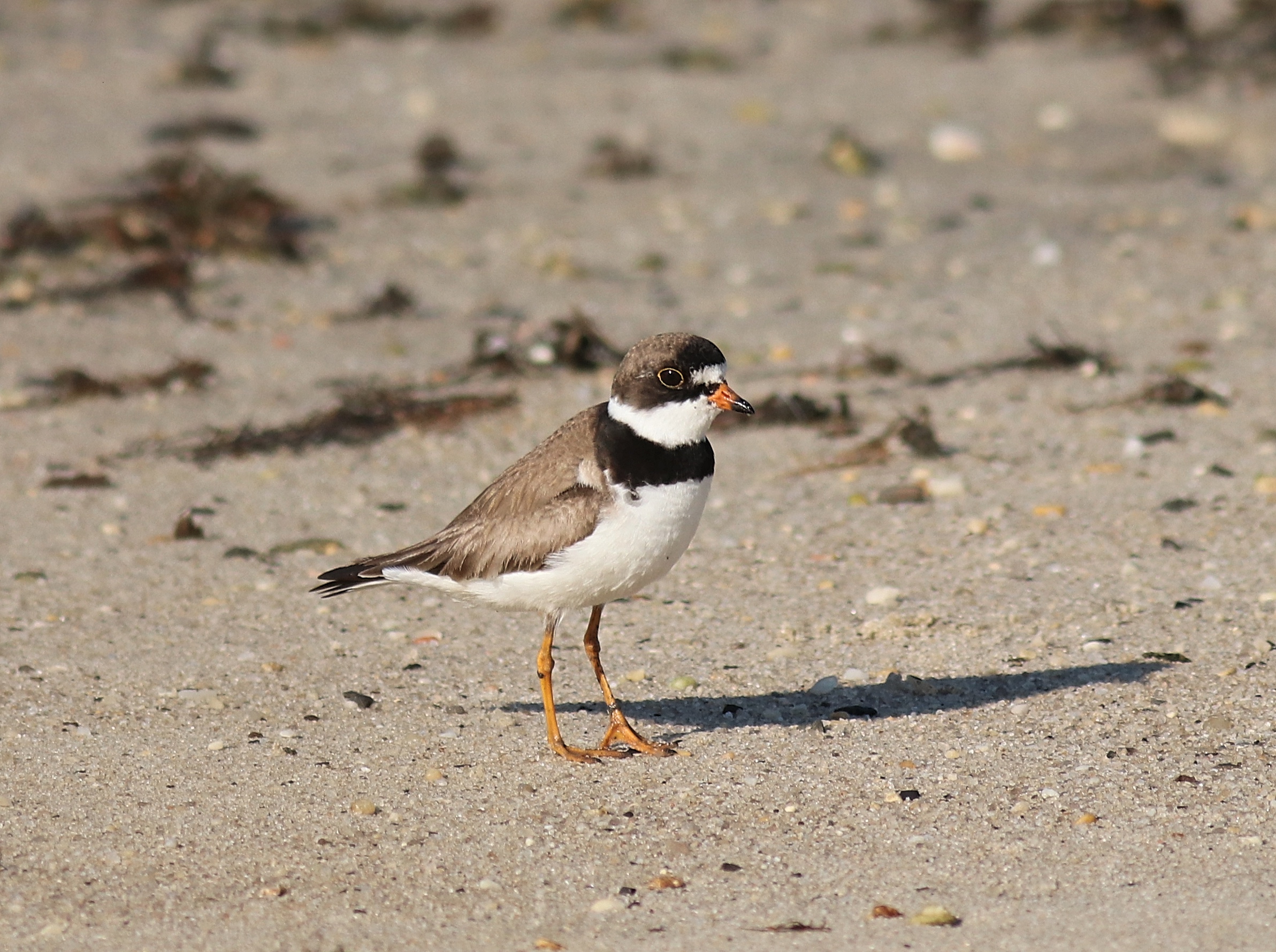
Charadrius semipalmatus
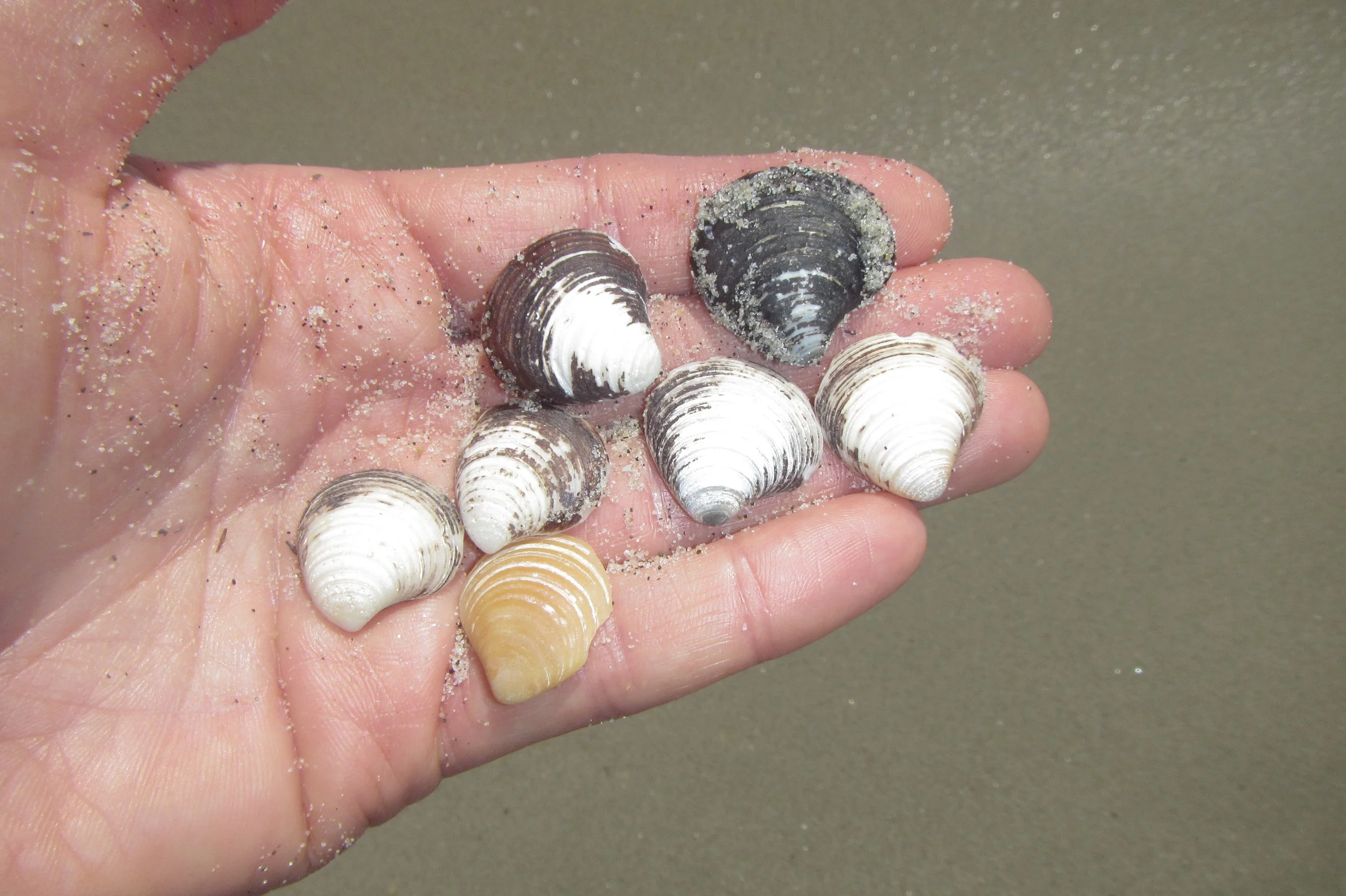
Astarte castanea
Somateria mollissima
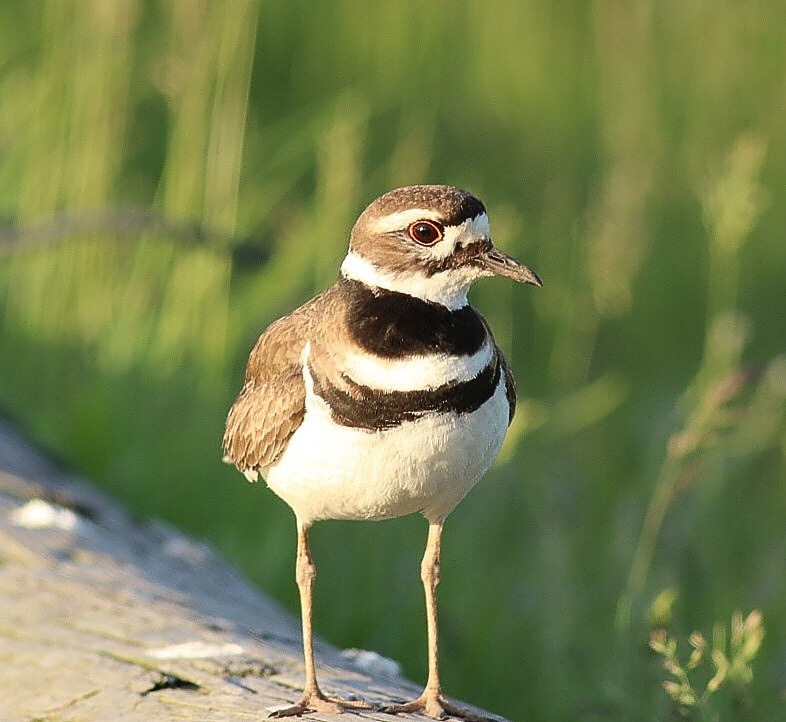
Charadrius vociferus
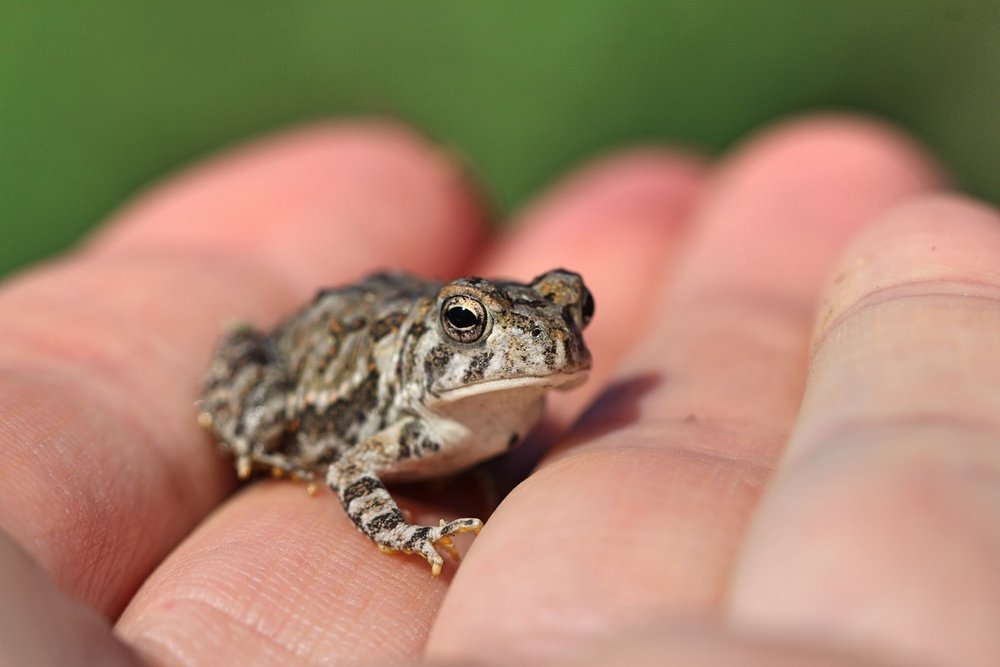
Anaxyrus fowleri
Megaptera novaeangliae
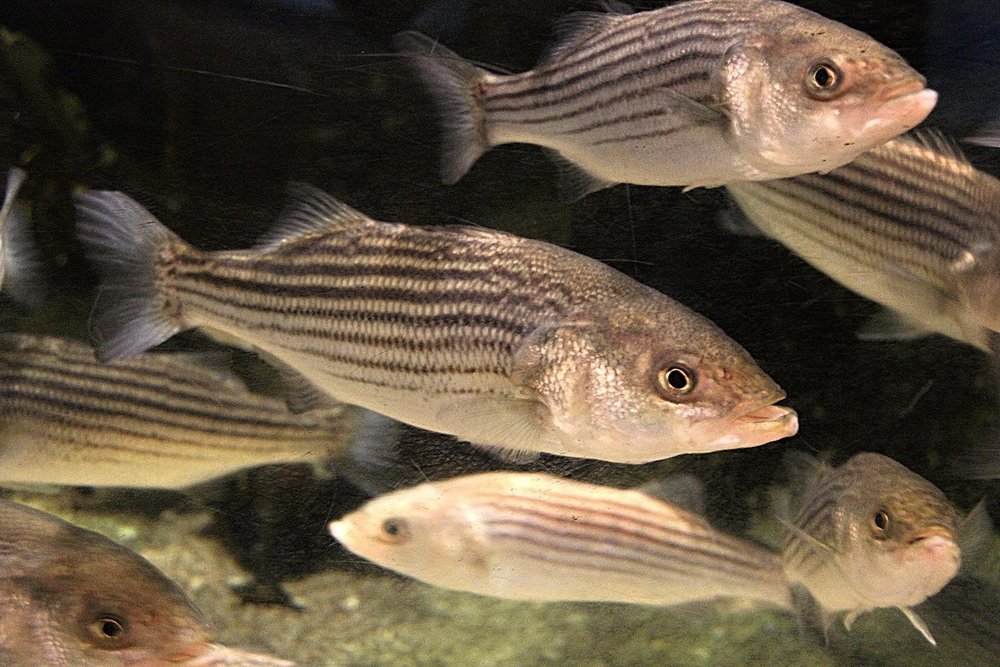
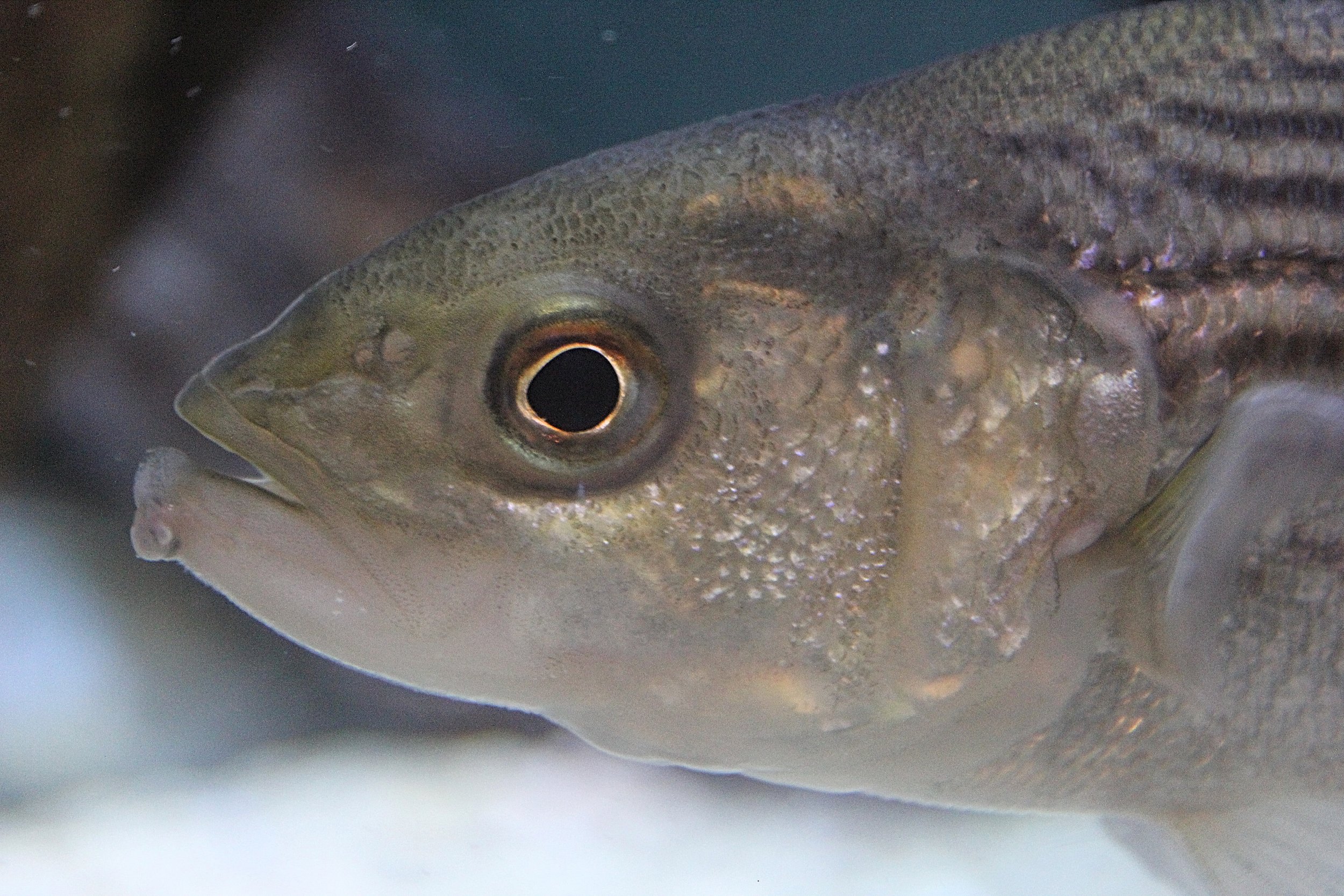
Morone saxatilis
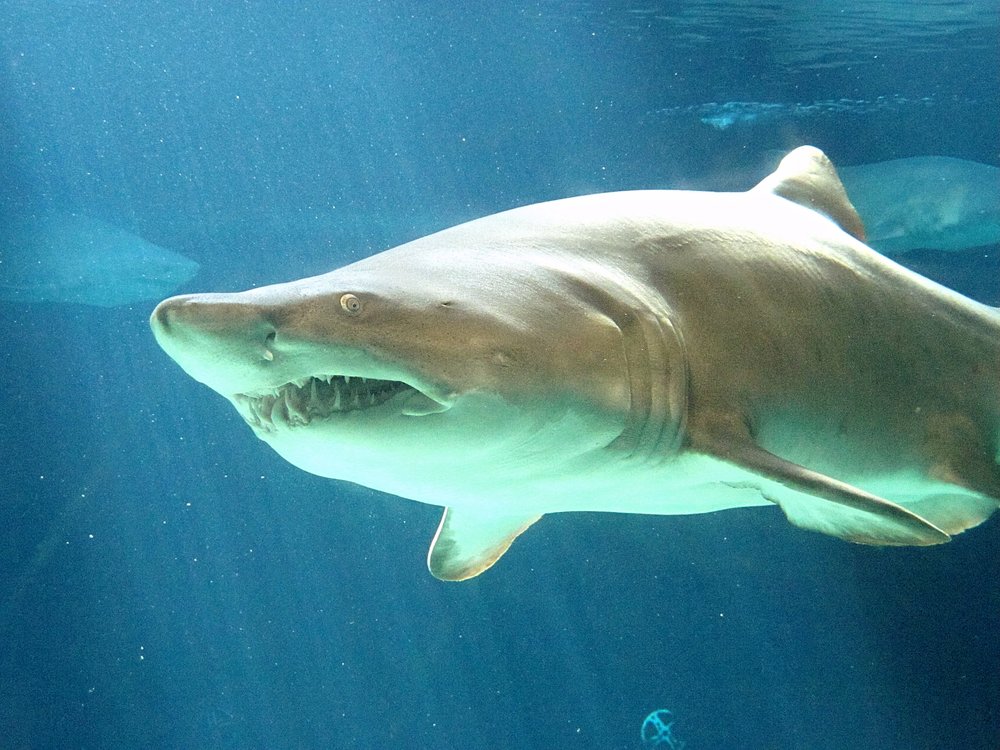
Carcharias taurus
Libinia emarginata
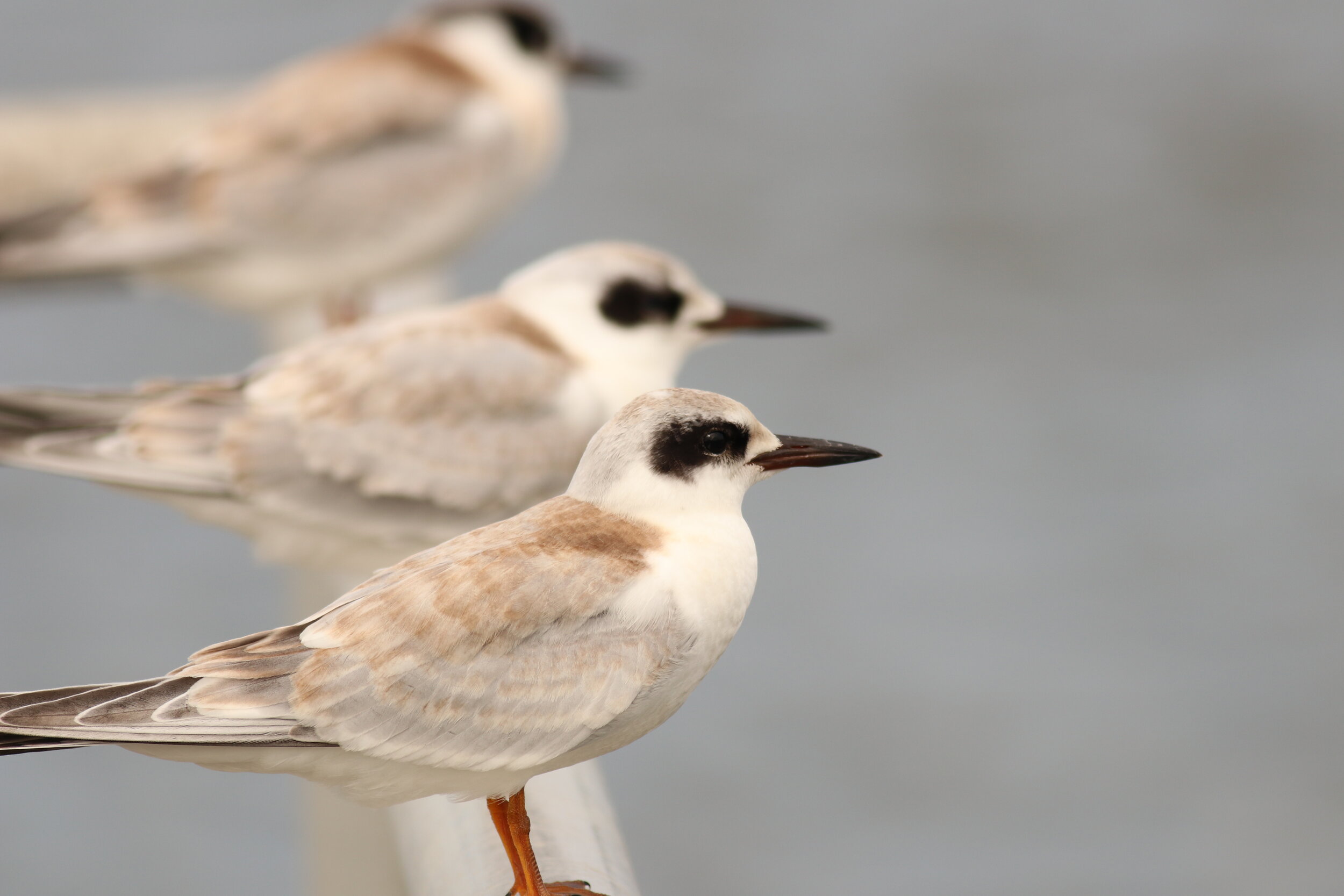
Sterna forsteri
Pomatomus saltatrix
Asterias forbesi
Mercenaria mercenaria
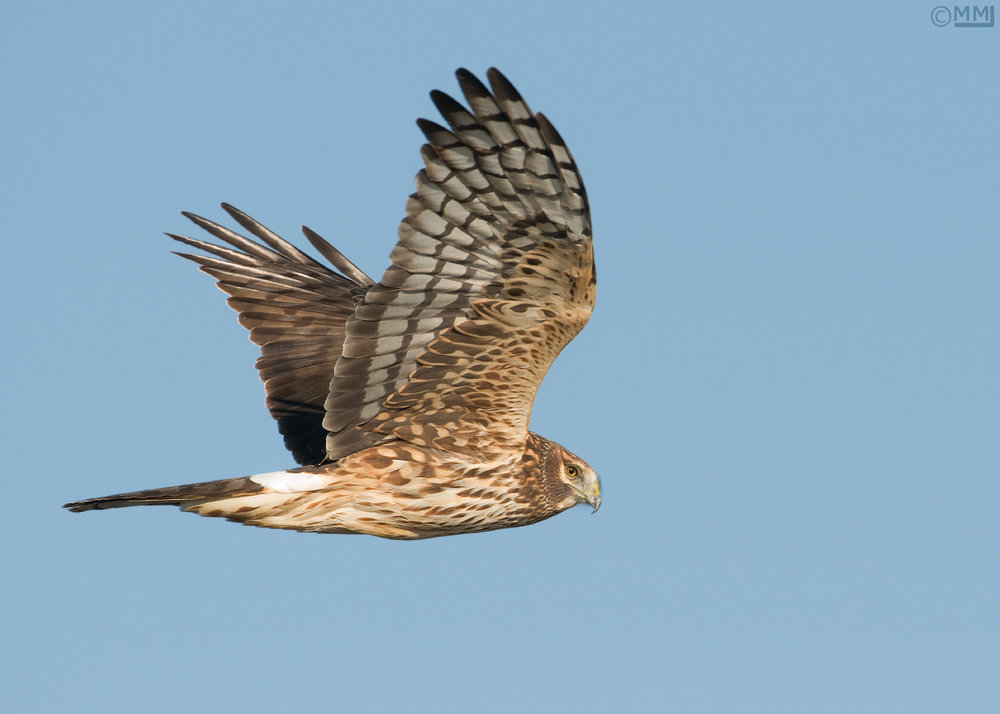
Circus cyaneus hudsonius
Tringa semipalmata
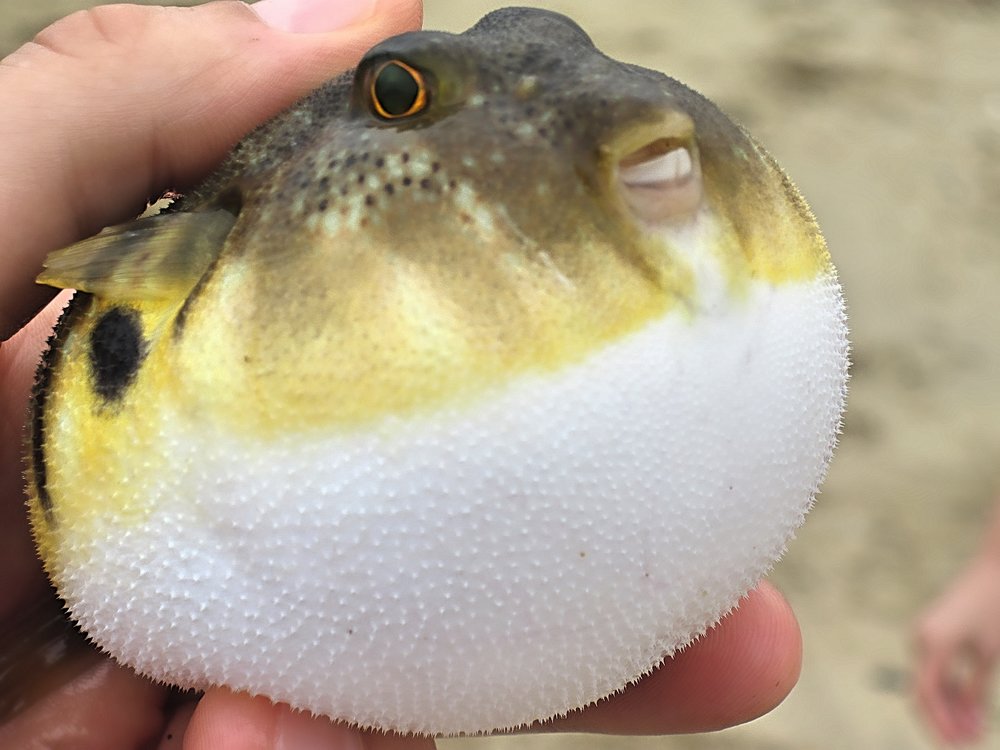
Sphoeroides maculatus
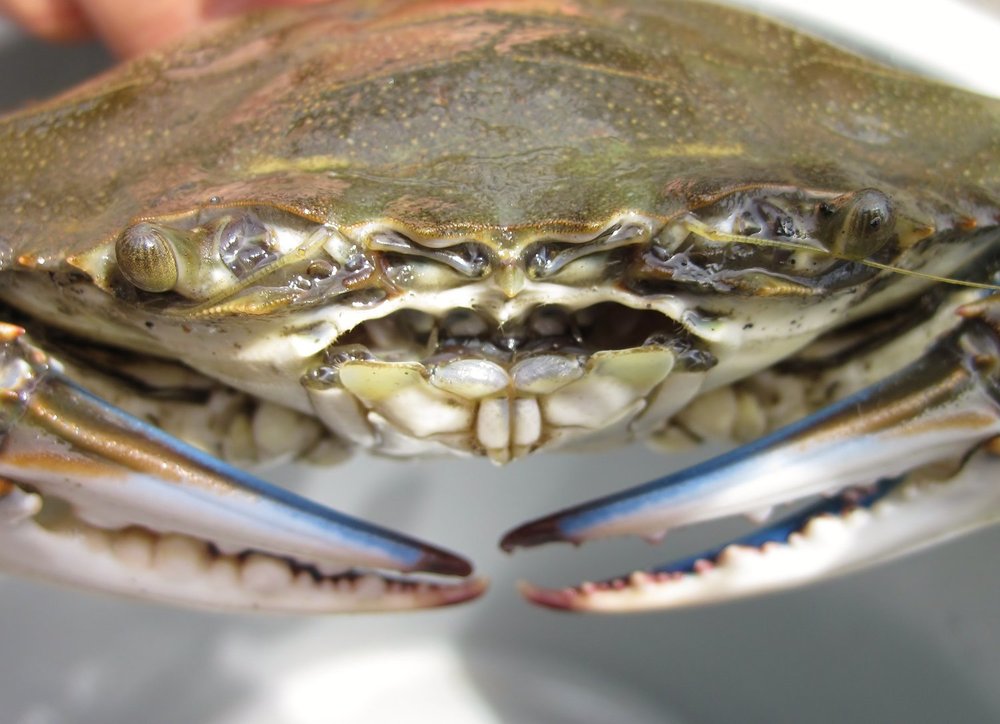
Callinectes sapidus
Charadrius melodus
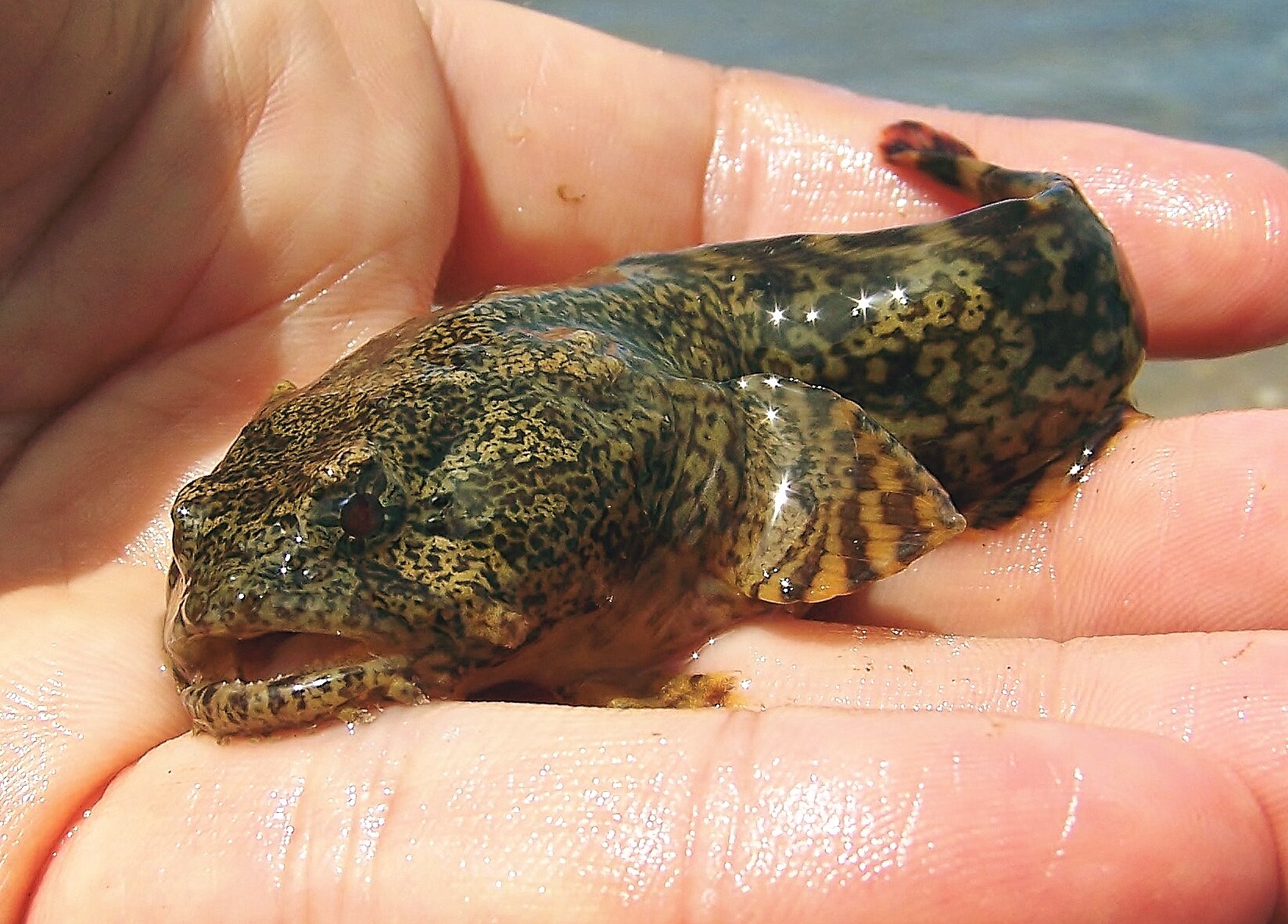
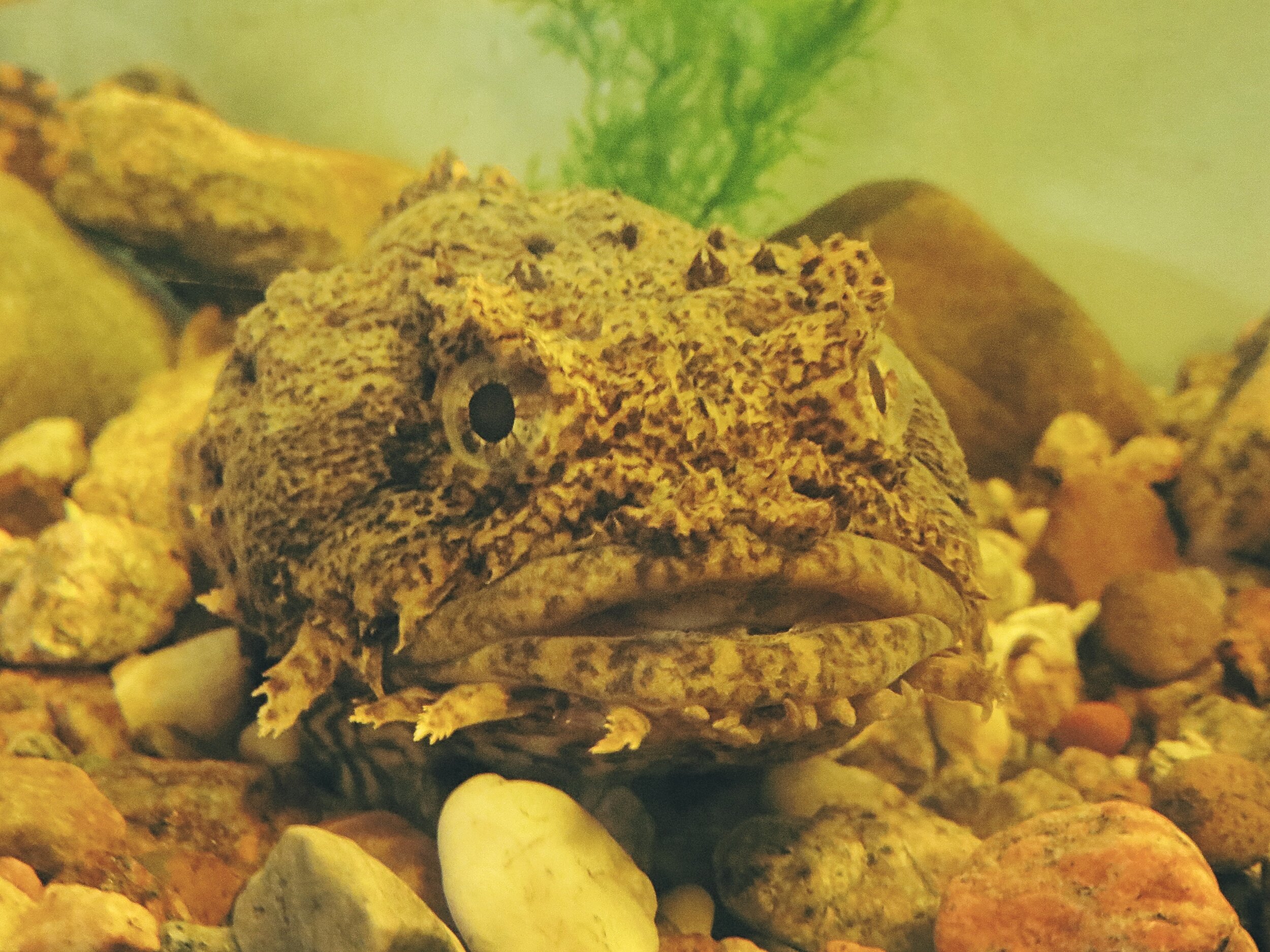
Opsanus tau
Histrionicus histrionicus
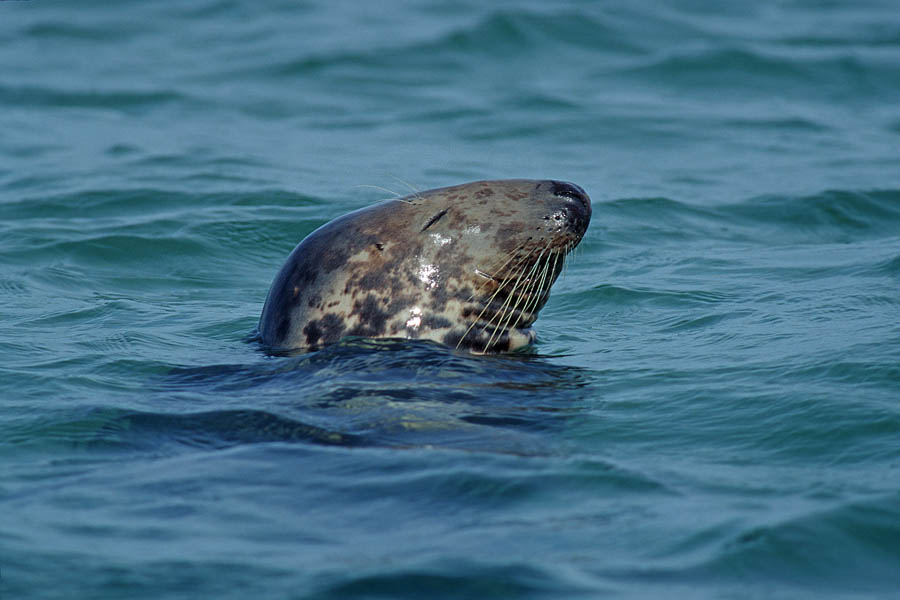
Halichoerus grypus
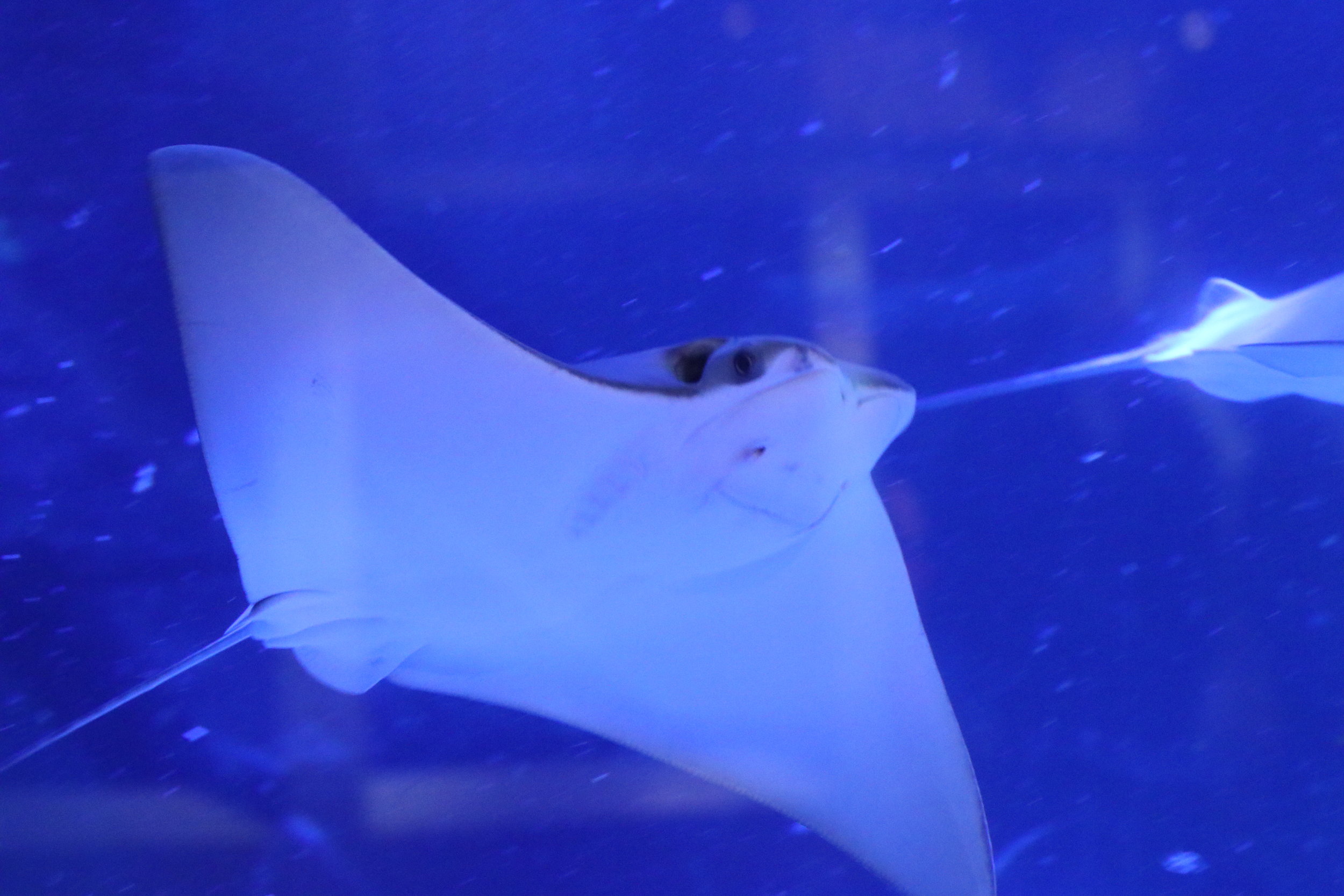
Rhinoptera bonasus
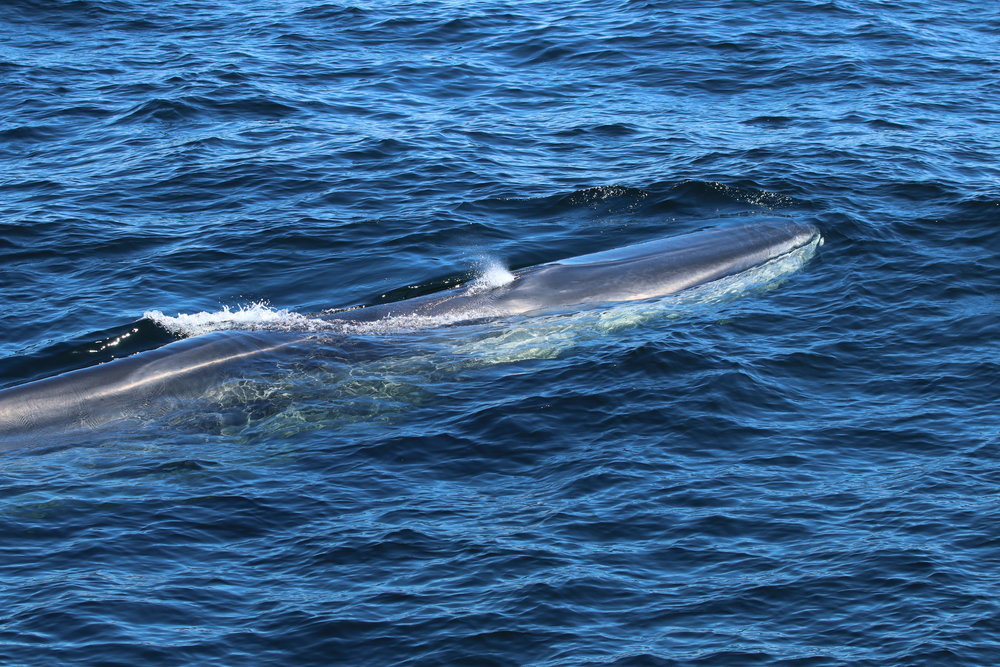
Balaenoptera physalus
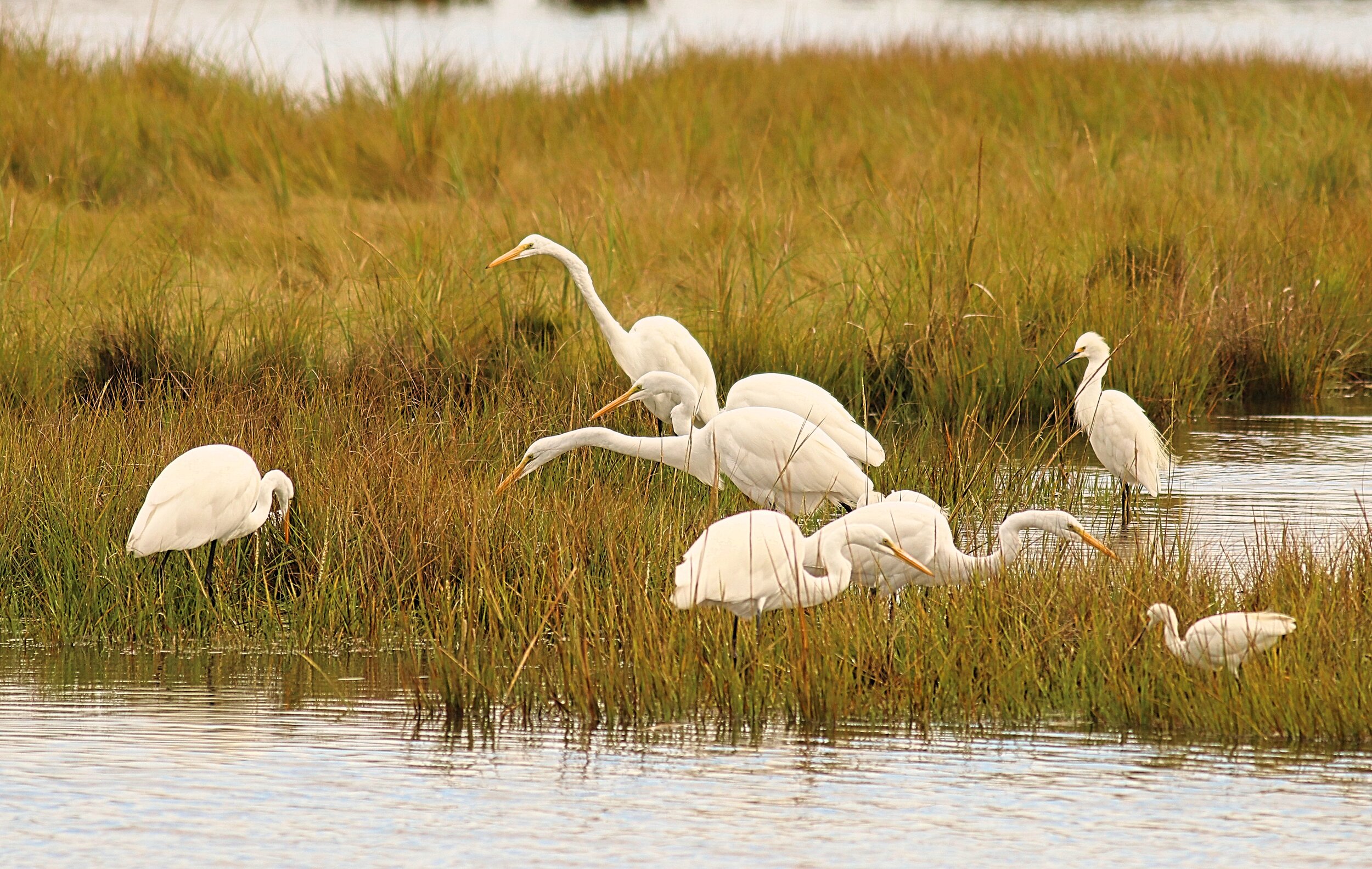
Ardea alba & Egretta thula
Limulus polyphemus
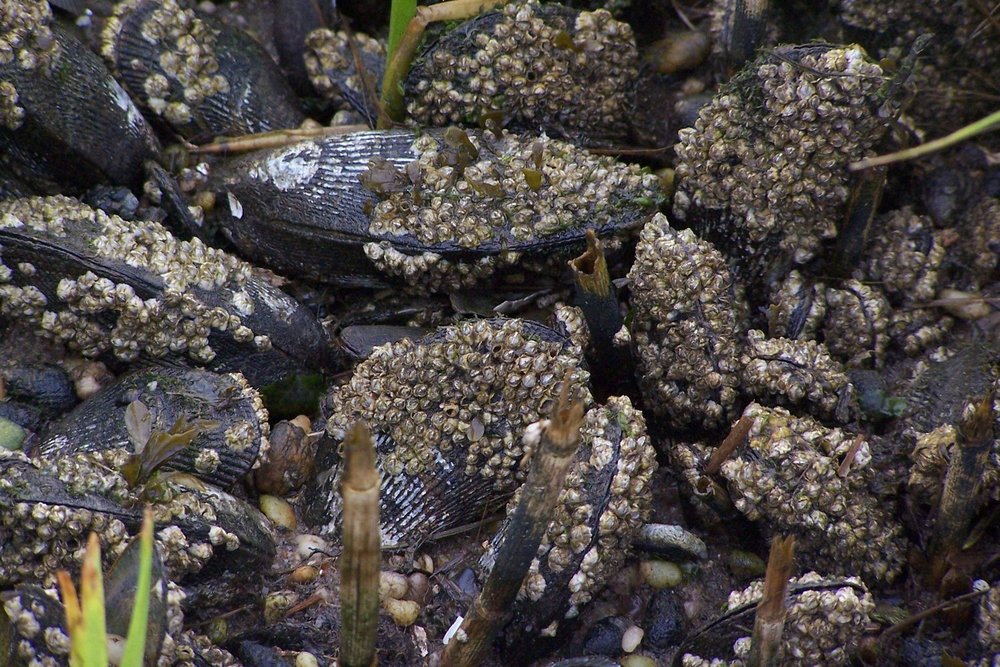
Geukensia demissa
Bubo scandiacus
Danaus plexippus
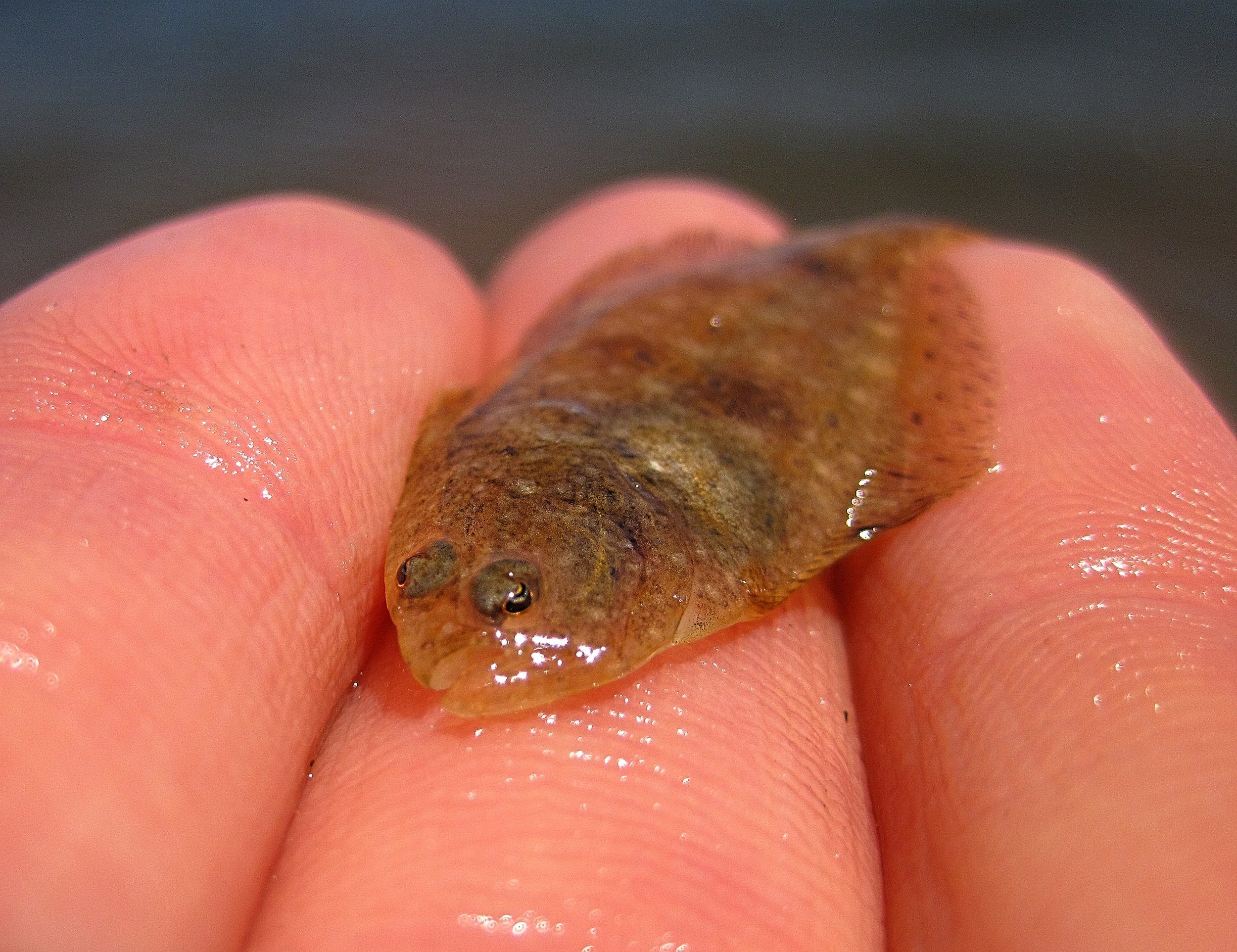
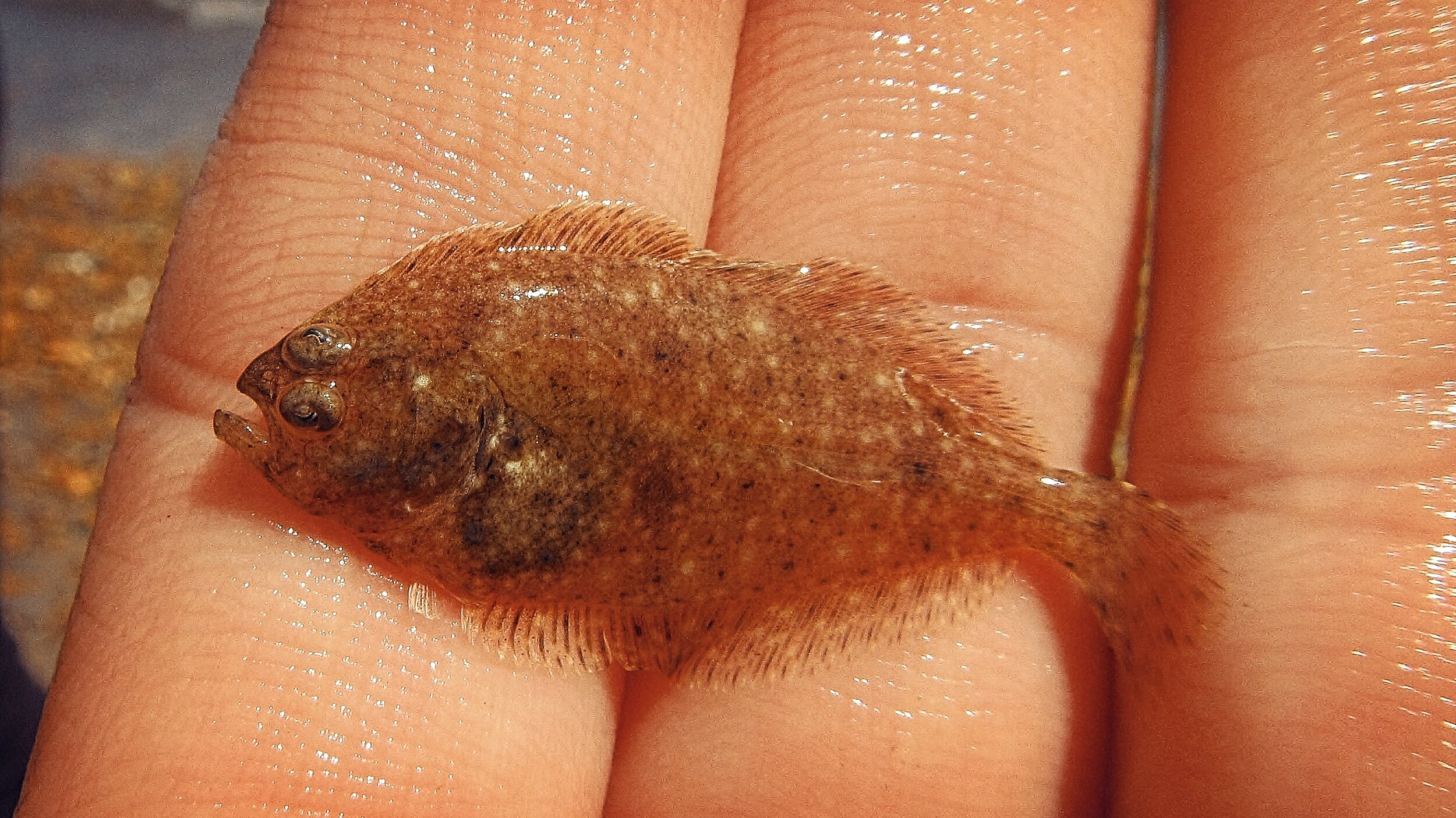
Scophthalmus aquosus
Amaranthus pumilus
Bucephala clangula
Prionotus carolinus
Thalasseus maximus
Branta bernicla
Ovalipes ocellatus
Crassostrea virginica
Danaus plexippus
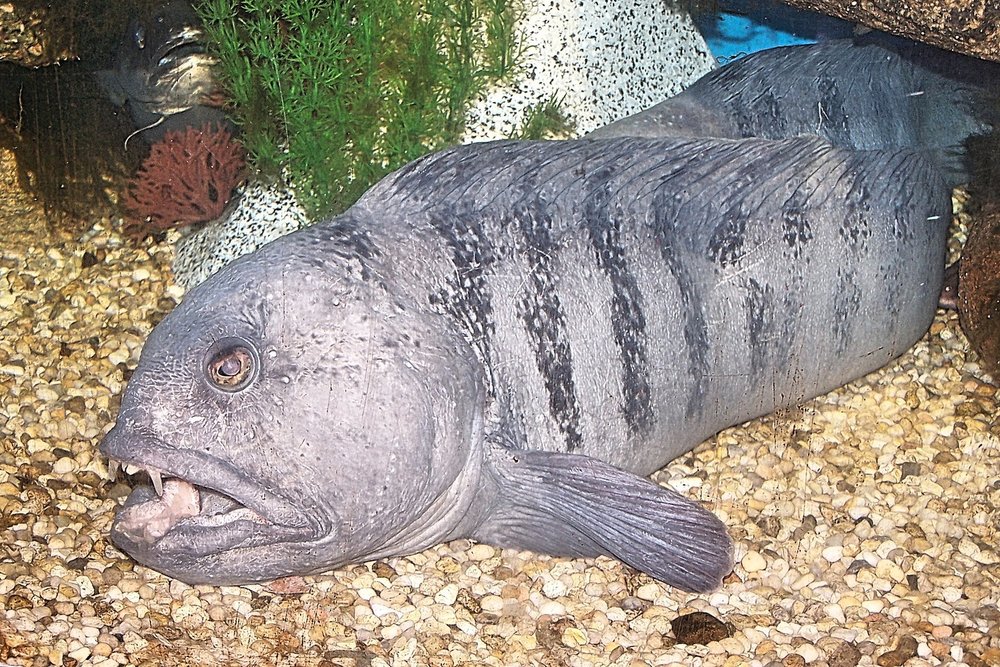
Anarhichas lupus
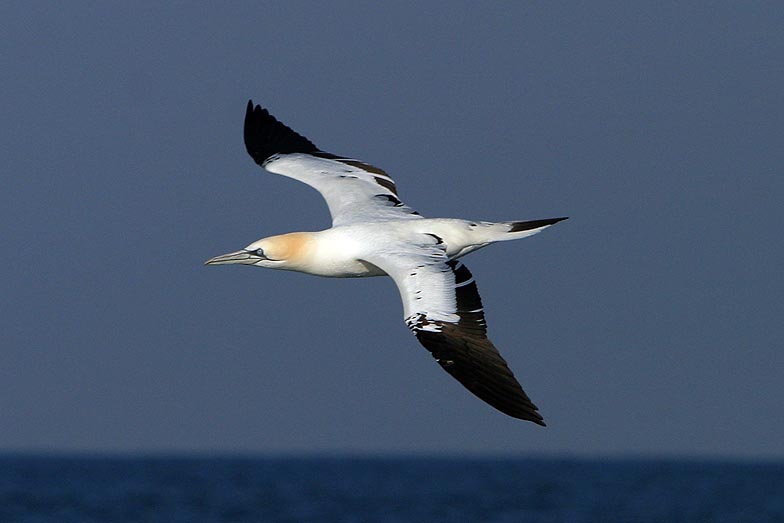
Morus bassanus
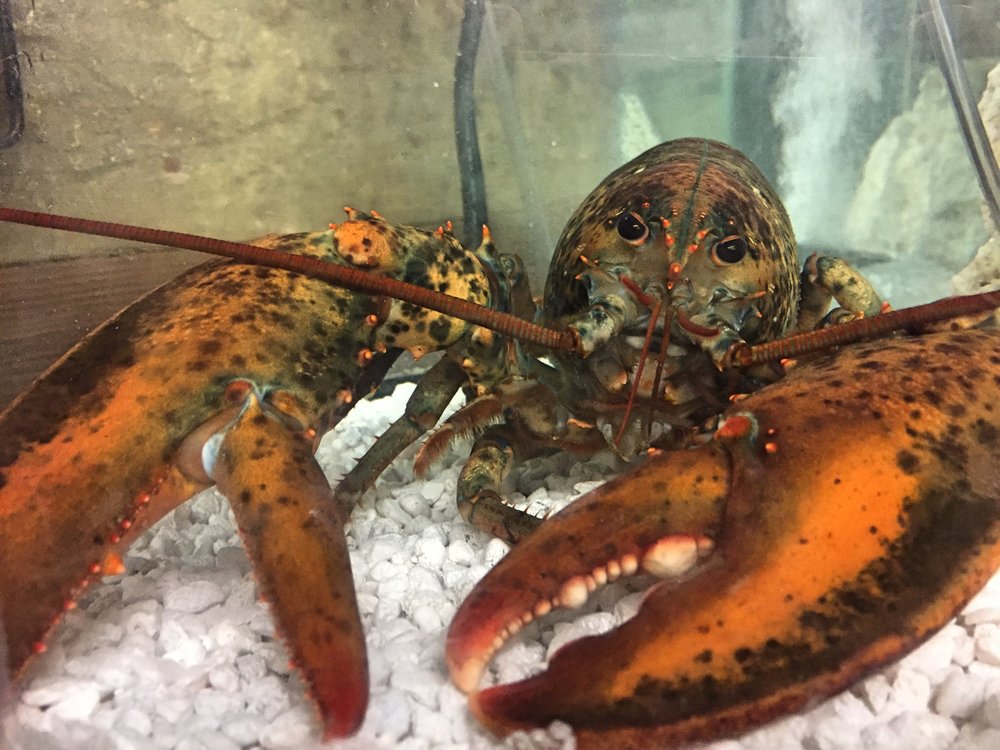
Homarus americanus
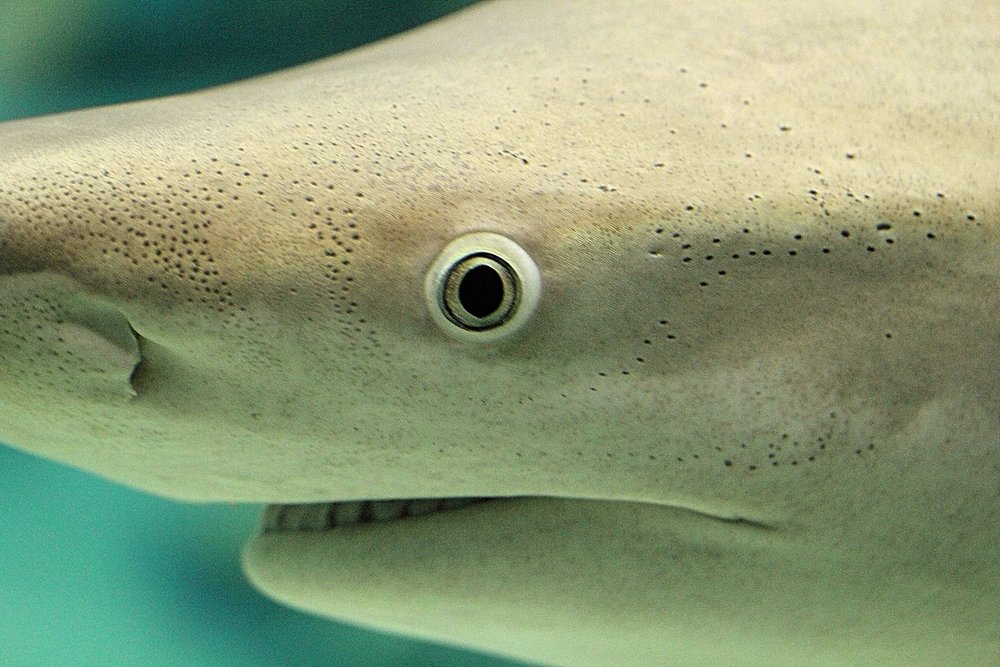
Carcharhinus plumbeus
Calidris canutus
Chen caerulescens
Anchoa mitchilli
Ardea herodias
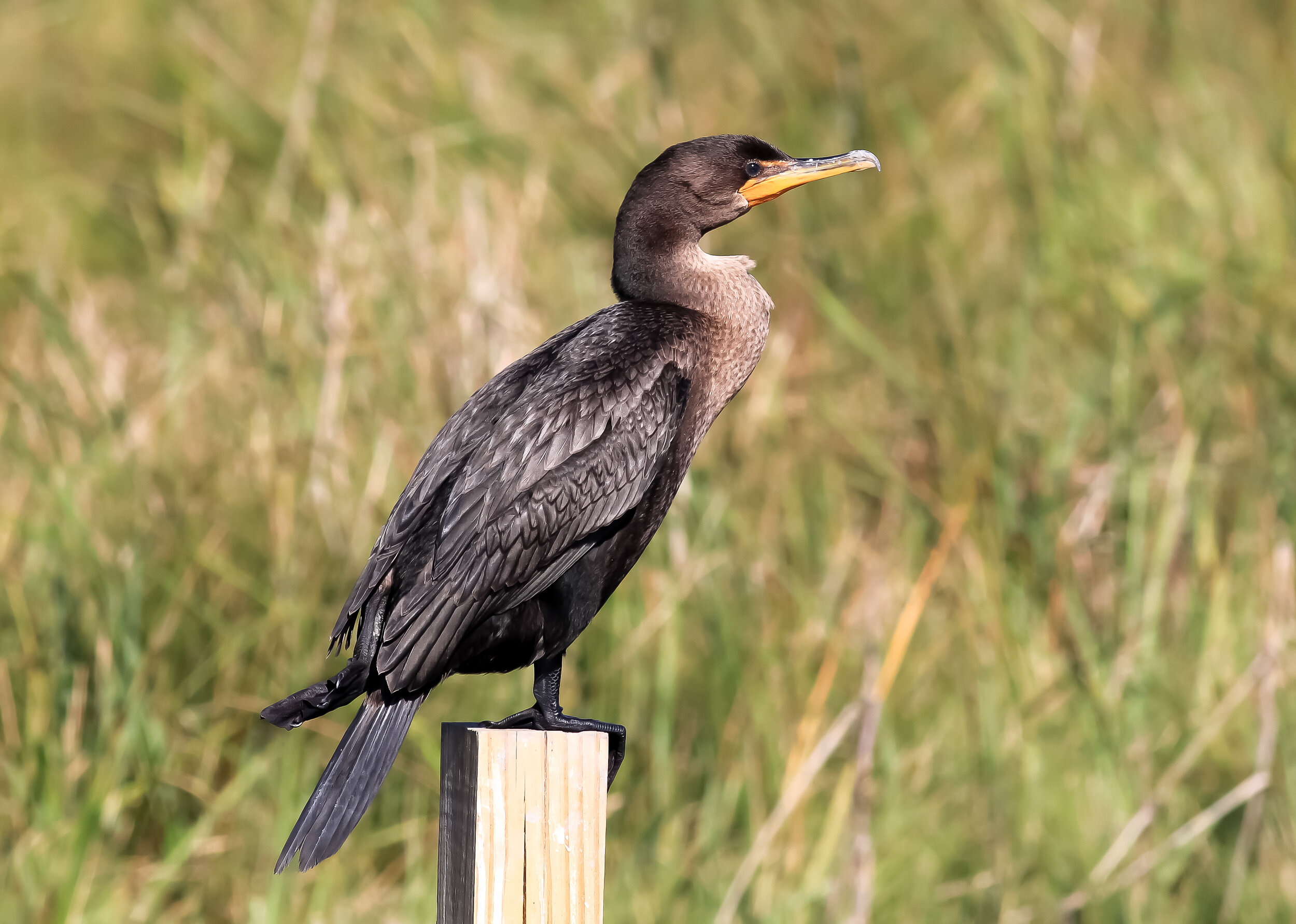
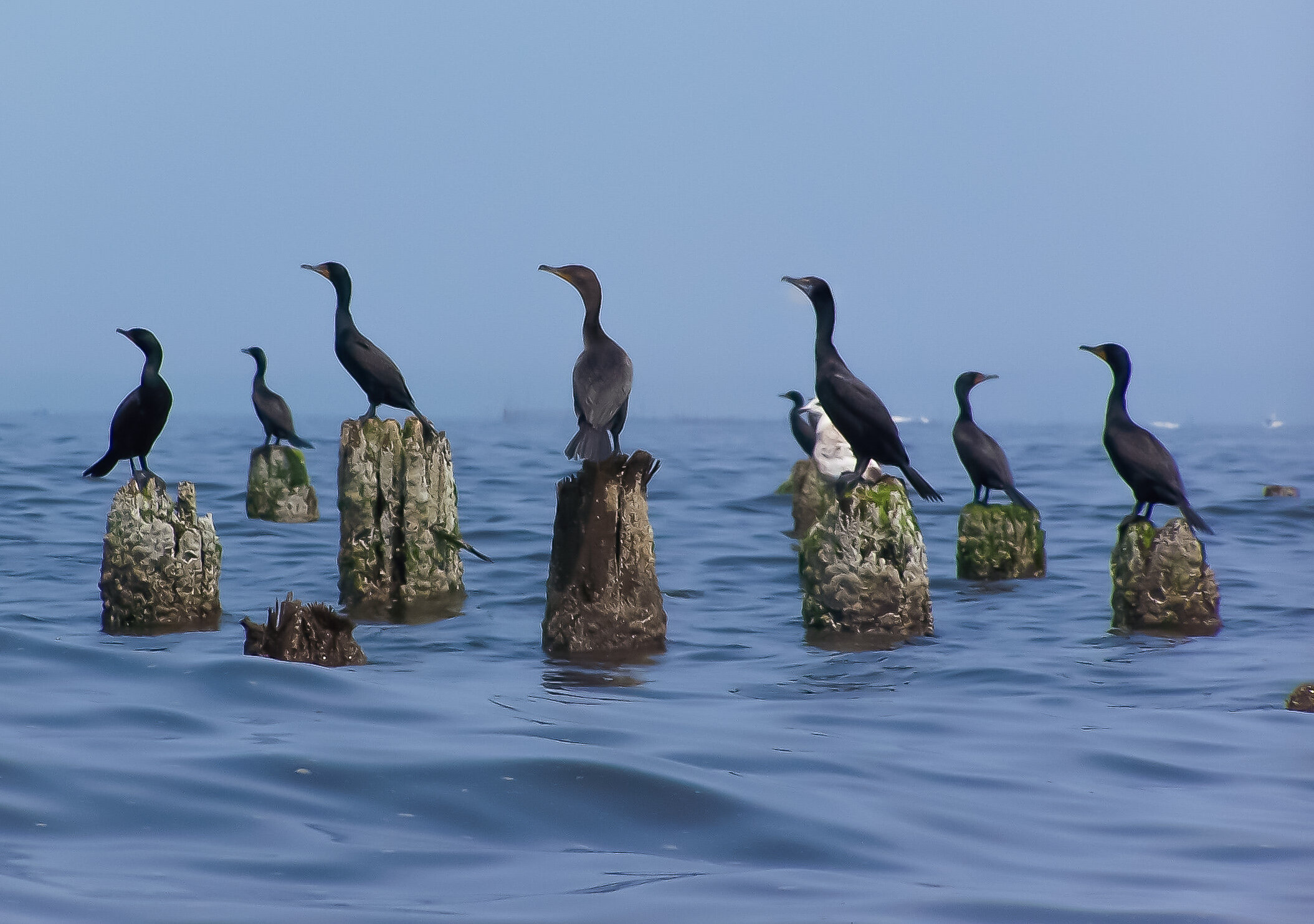
Phalacrocorax auritus
Megaptera novaeangliae
Cancer irroratus
Hippocampus erectus
Strongylocentrotus purpuratus
Pseudopleuronectes americanus
Bubo scandiacus
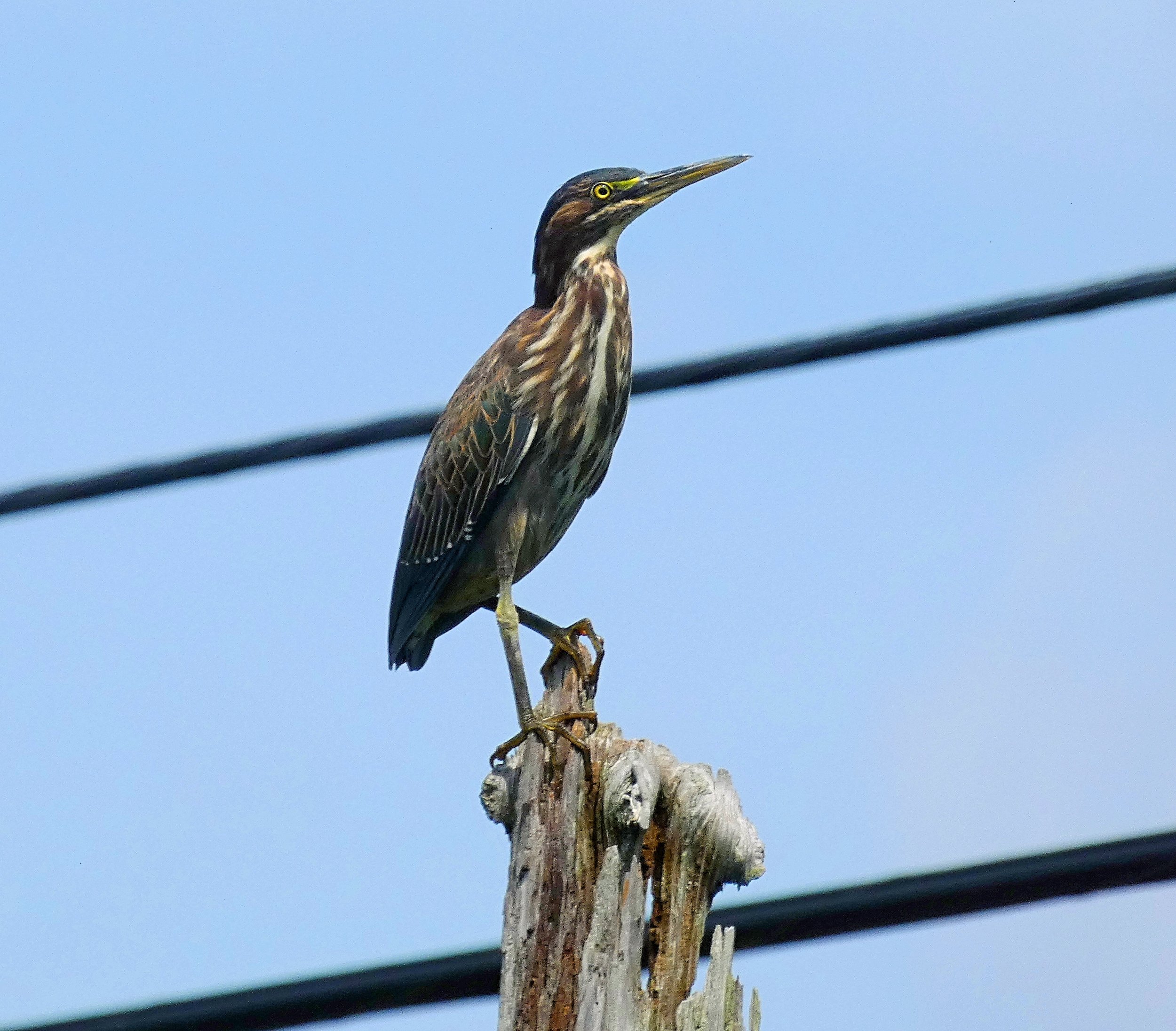
Butorides virescens
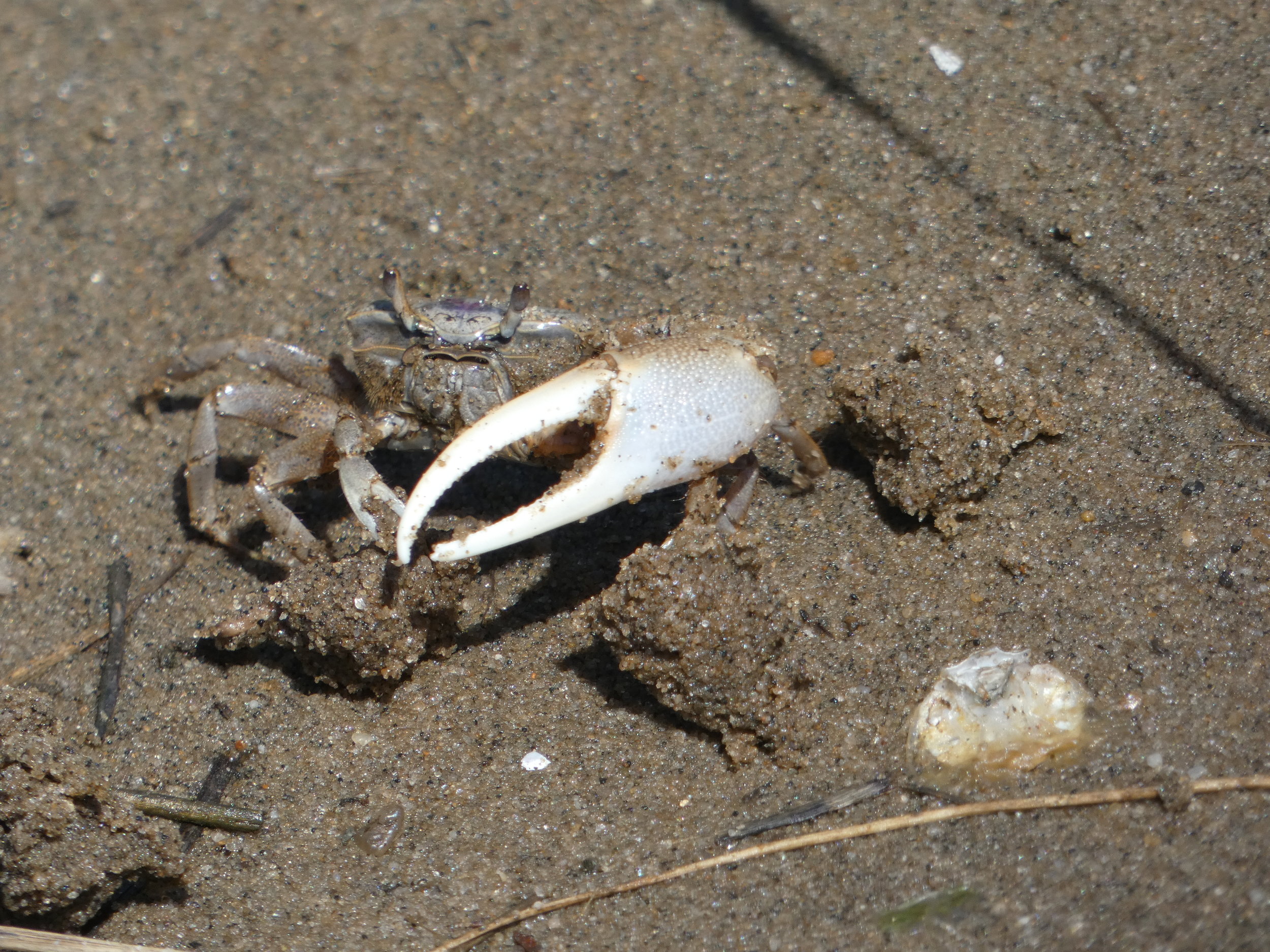
Uca
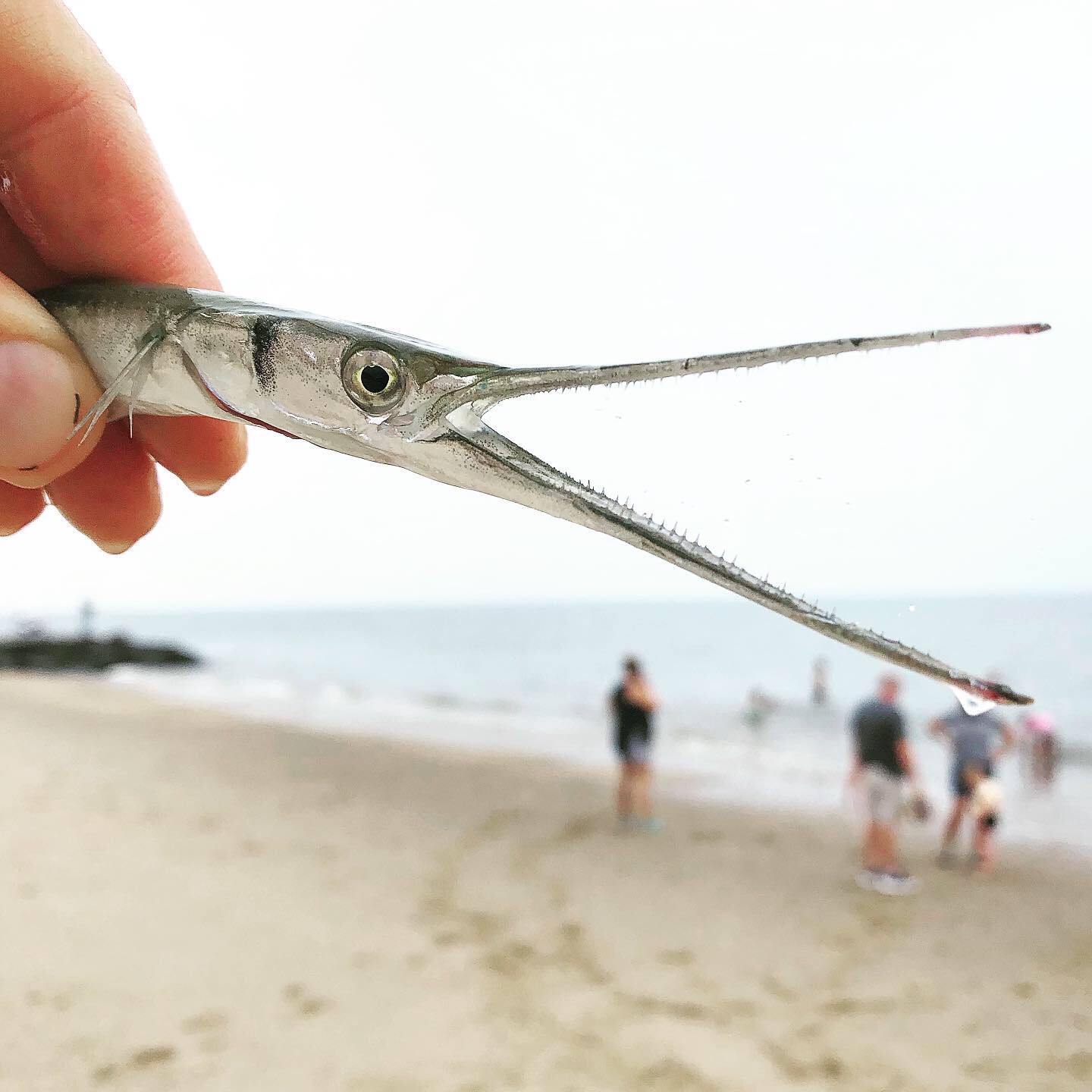
Strongylura marina
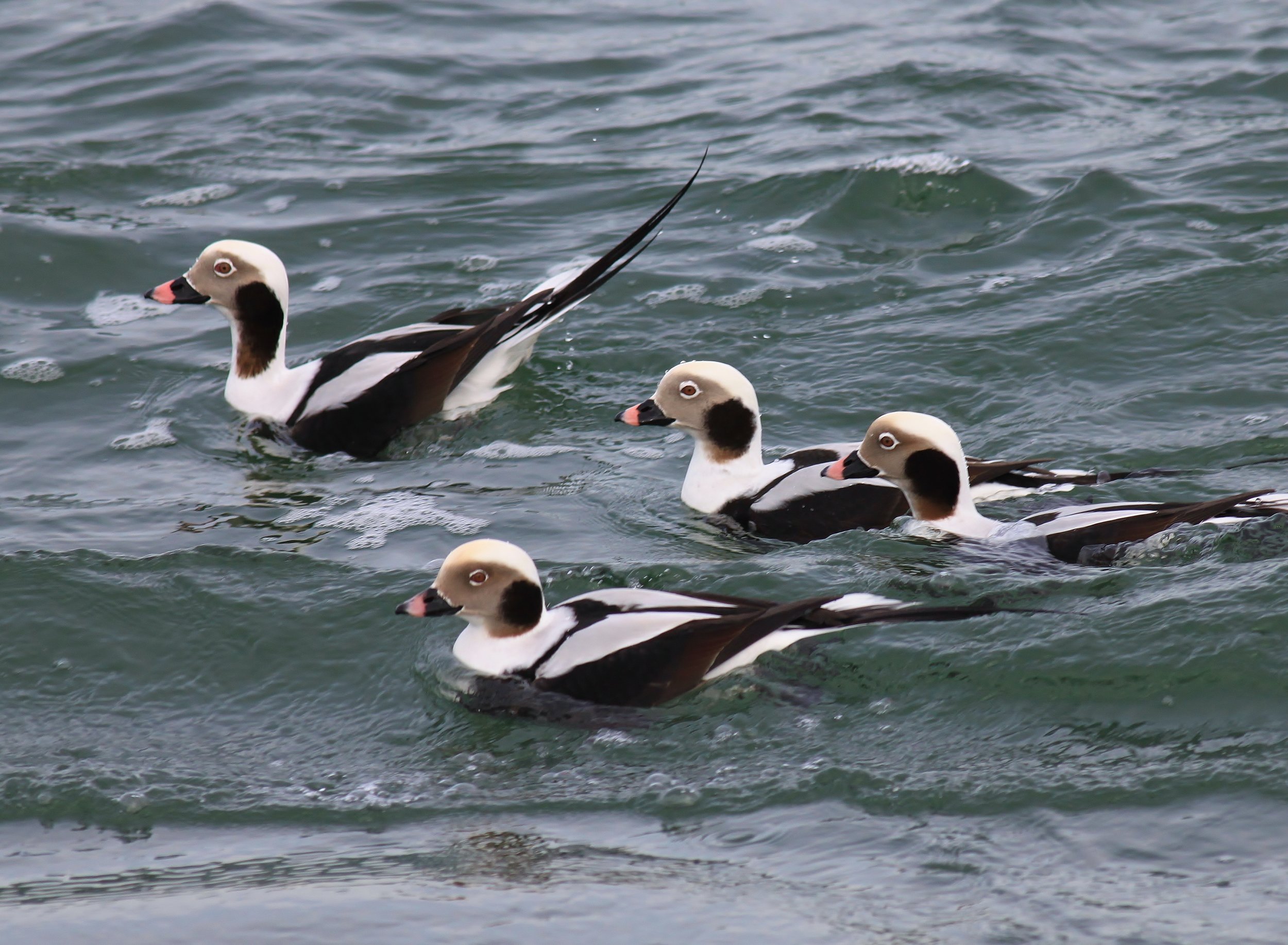
Clangula hyemalis
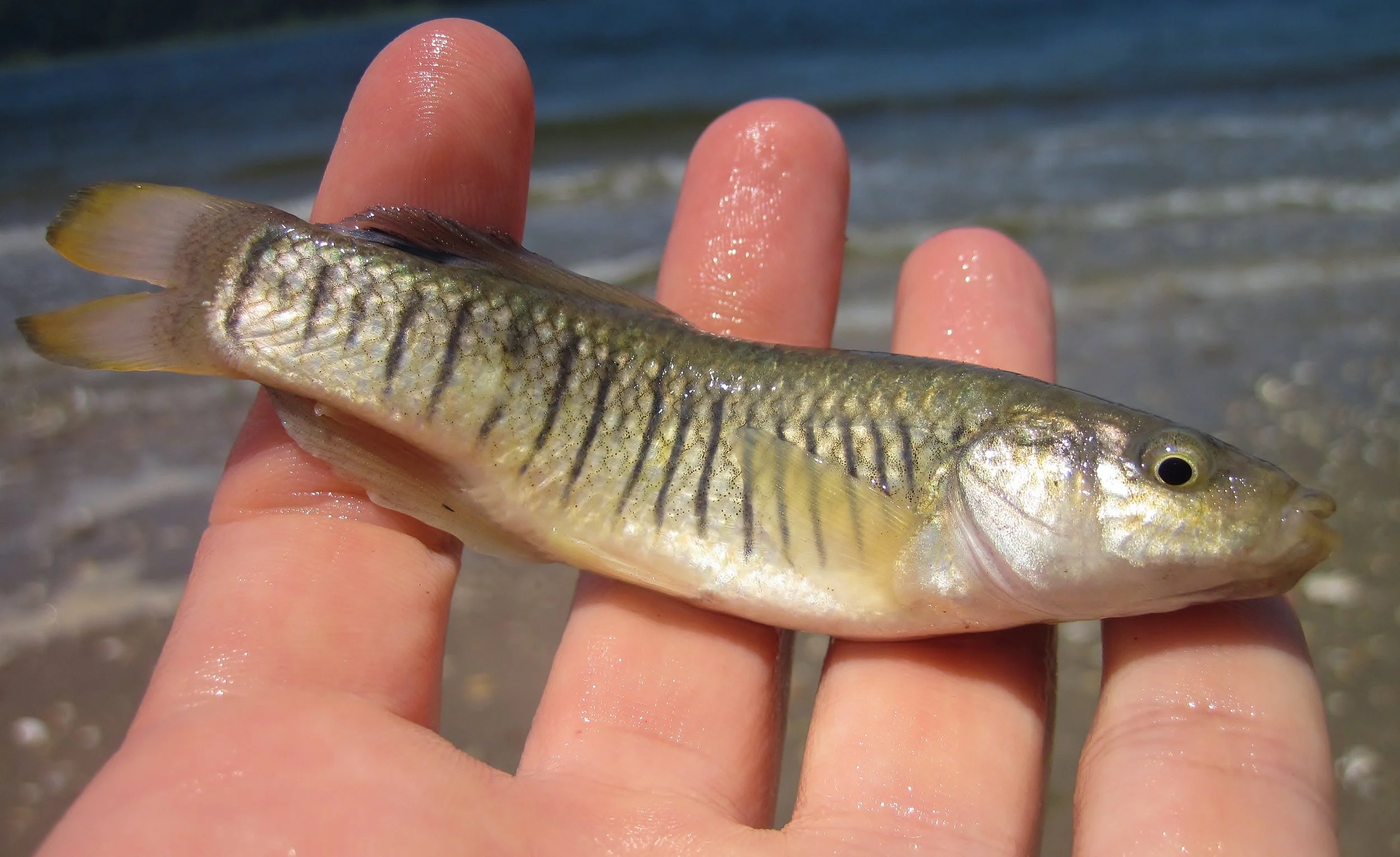
Fundulus majalis
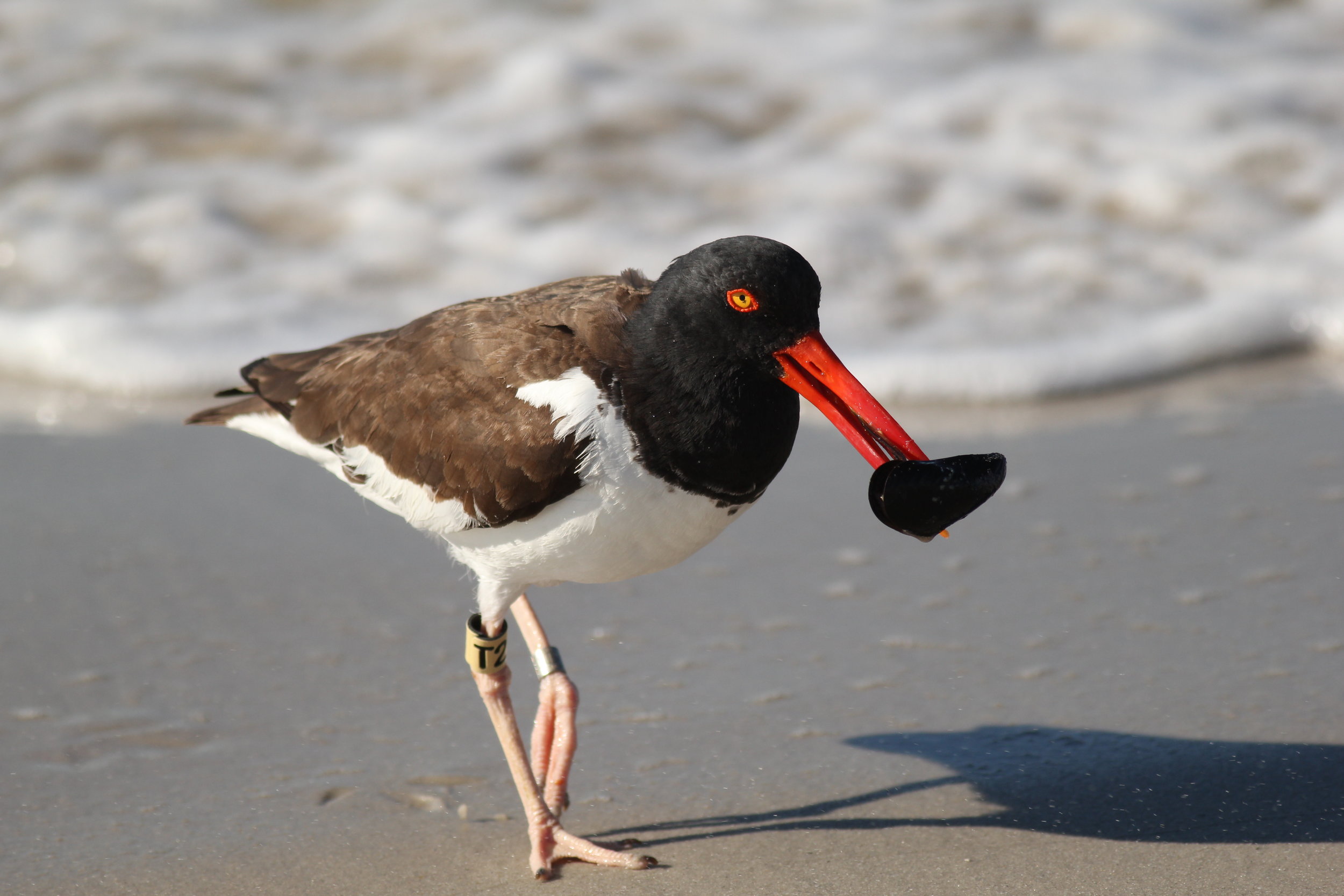
Haematopus palliatus
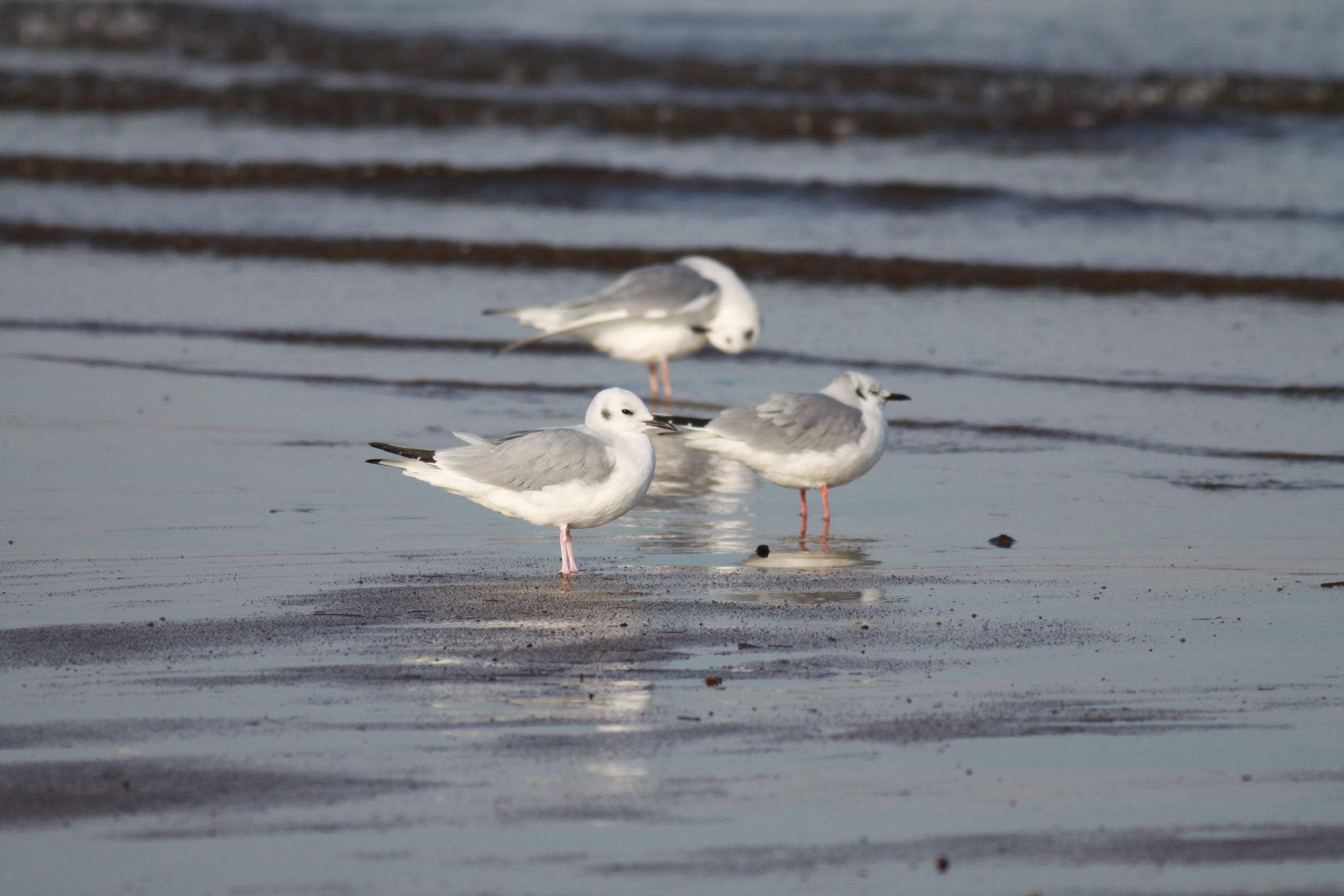
Chroicocephalus philadelphia
Limulus polyphemus
Bucephala albeola
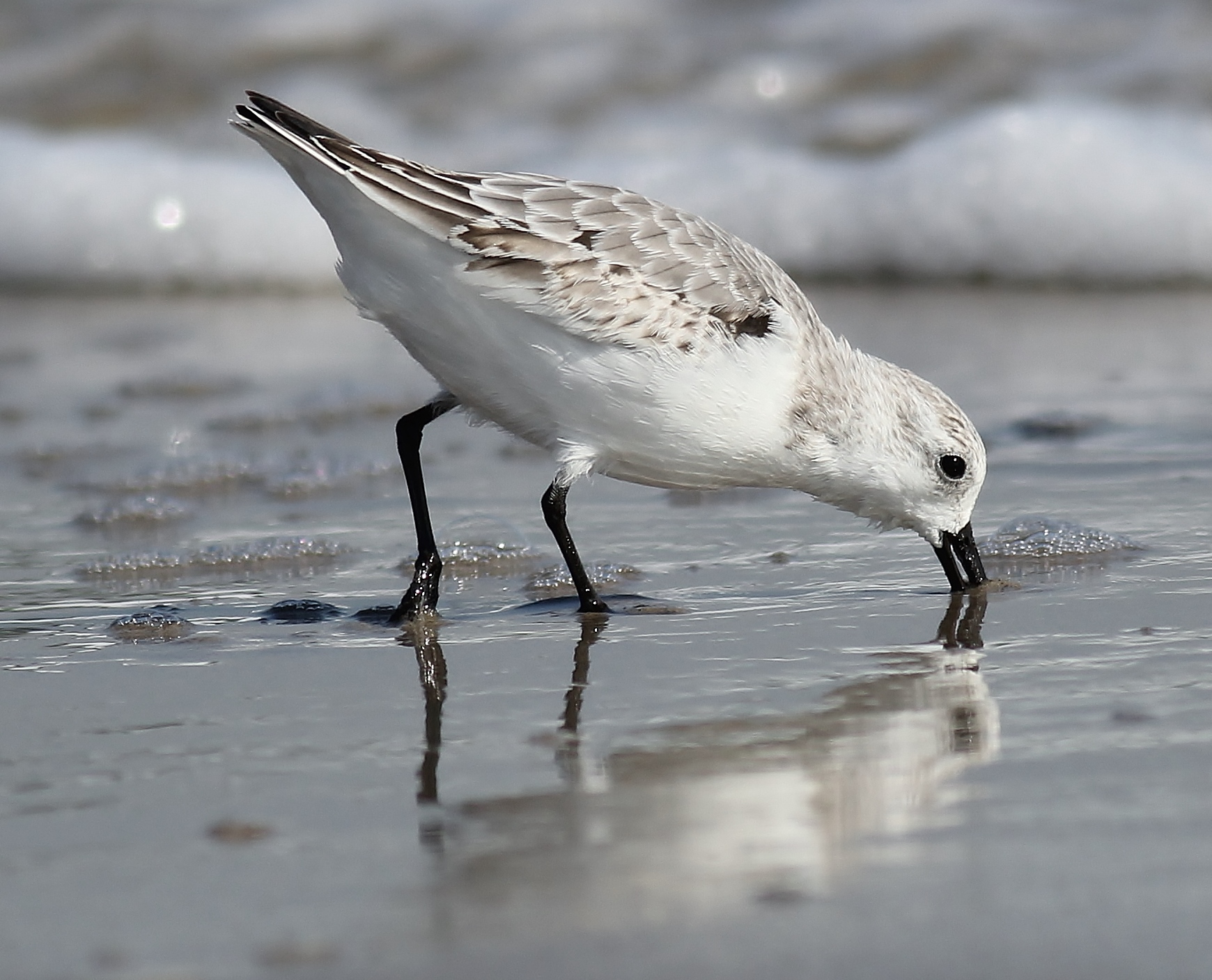
Calidris alba
Pluvialis squatarola
Morone saxatilis
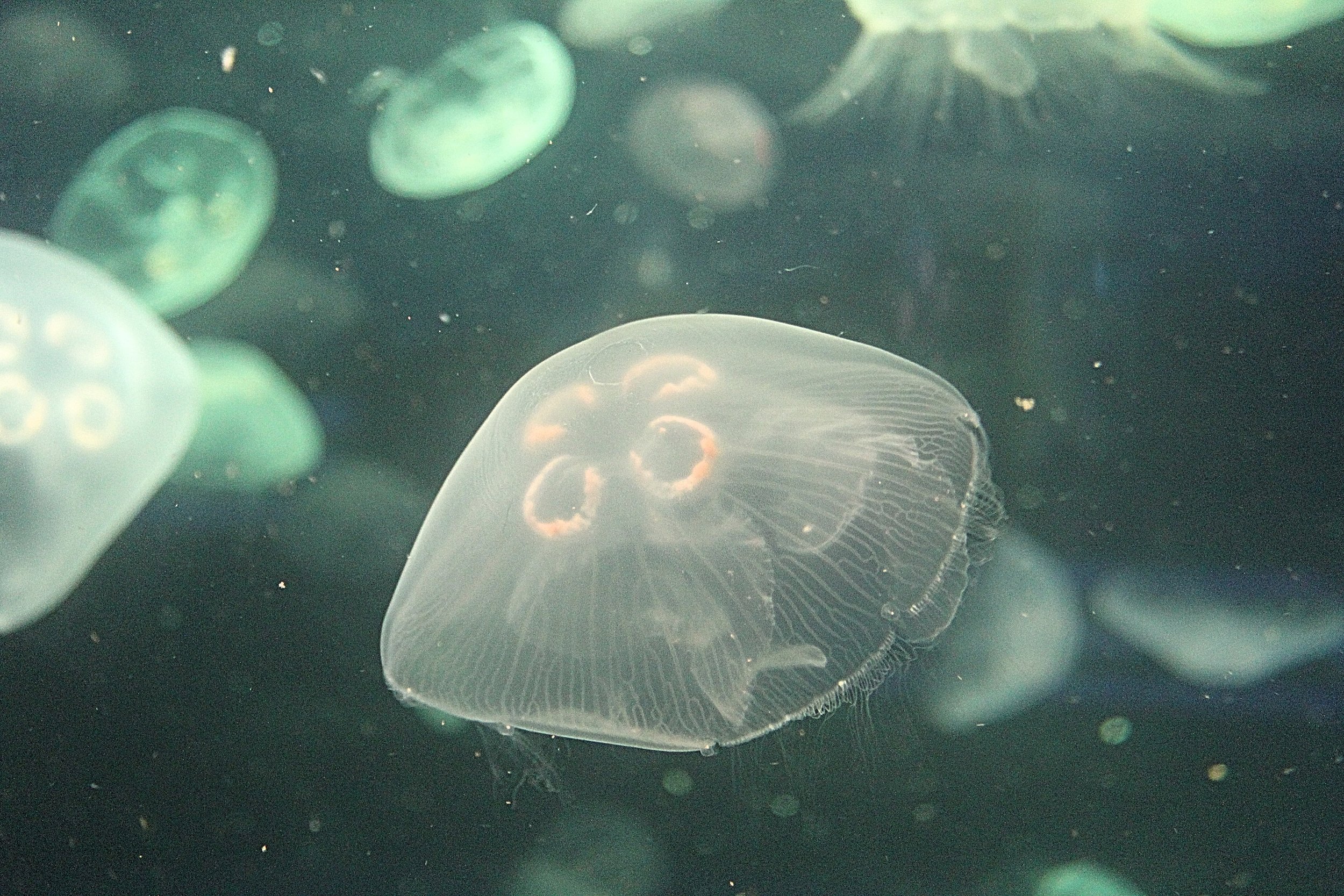
Aurelia aurita
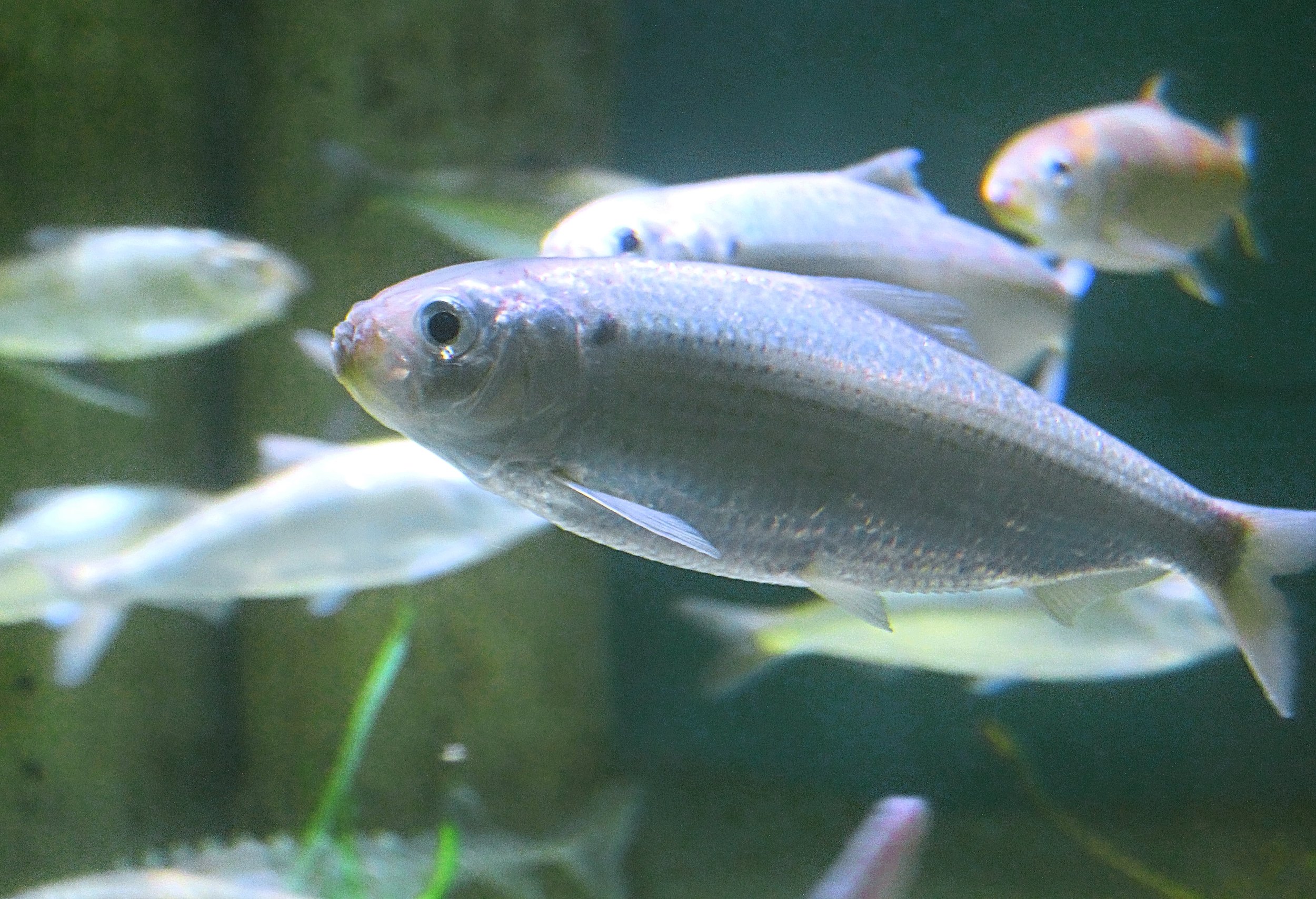
Brevoortia tyrannus
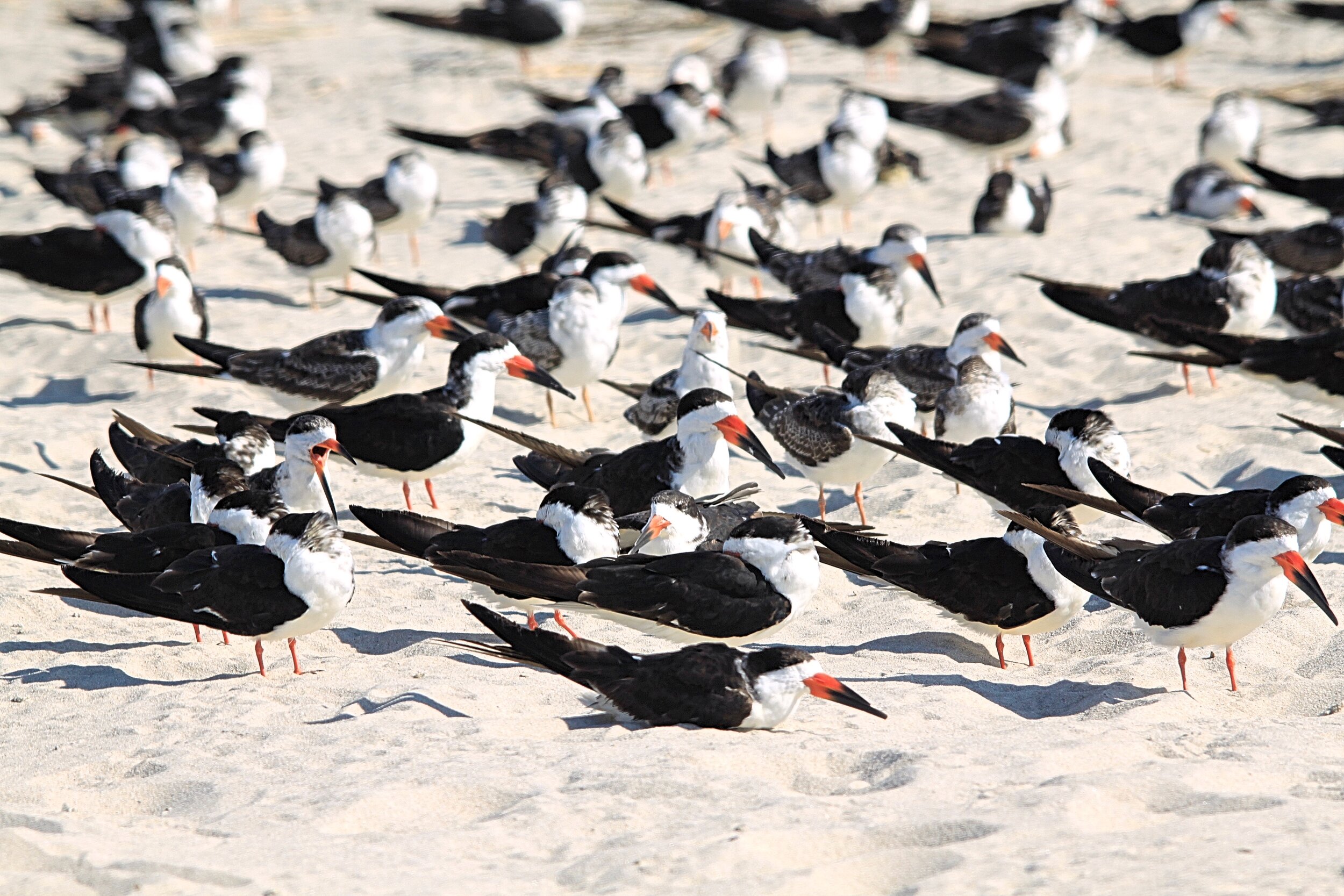
Rynchops niger
Gadus morhua
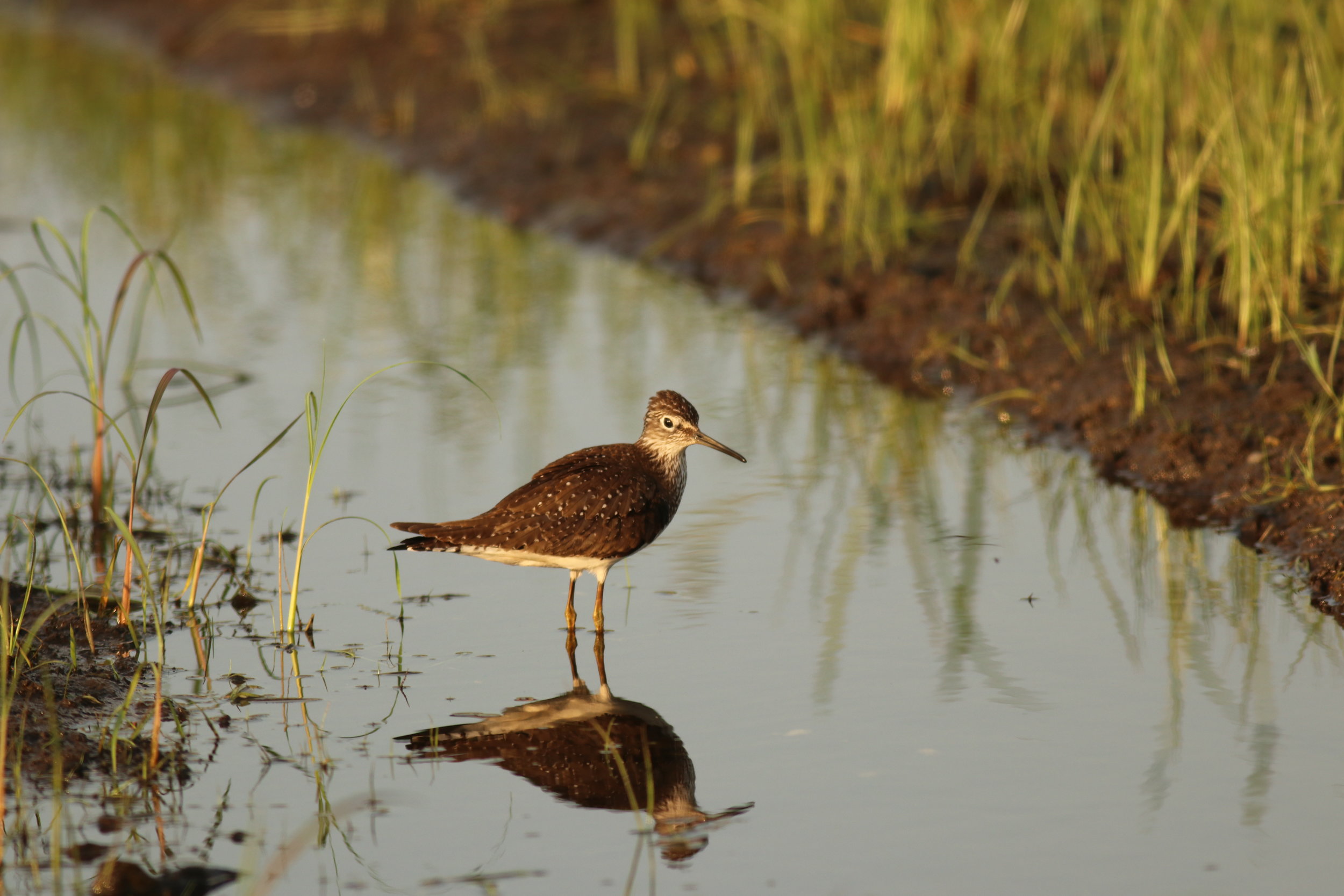
Tringa flavipes
Busycon carica
Phalacrocorax auritus
Anguilla rostrata
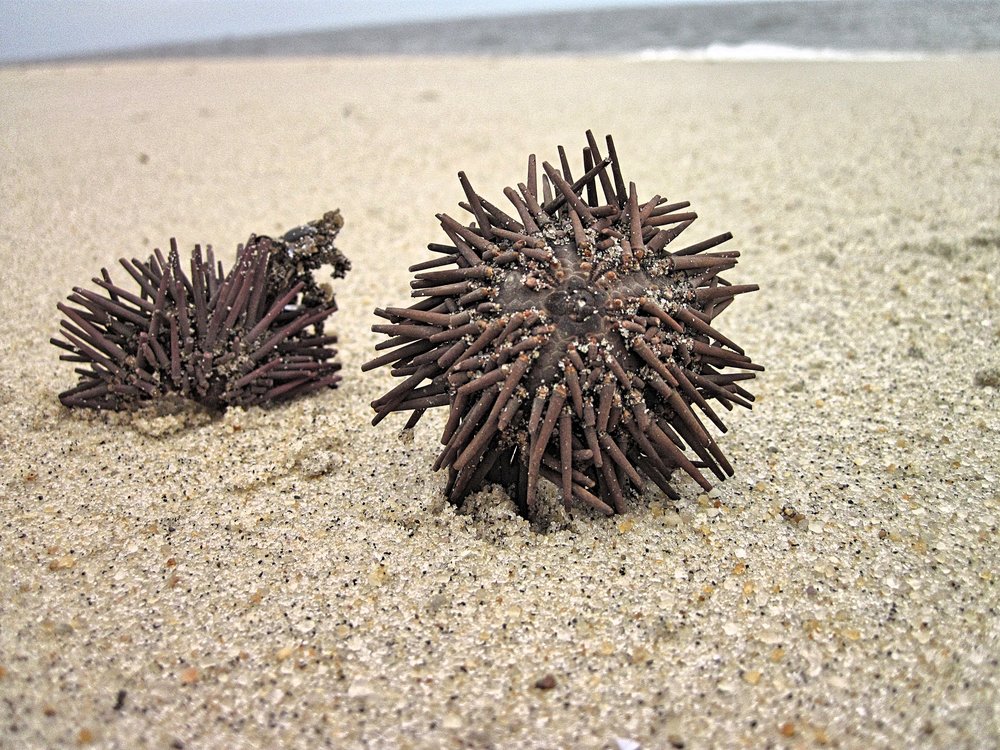
Echinarachnius parma
Calidris alba
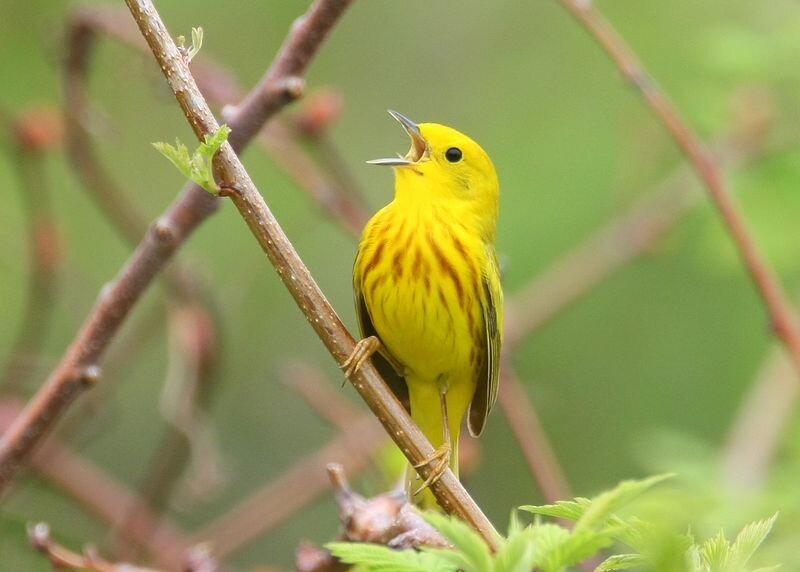
Setophaga petechia
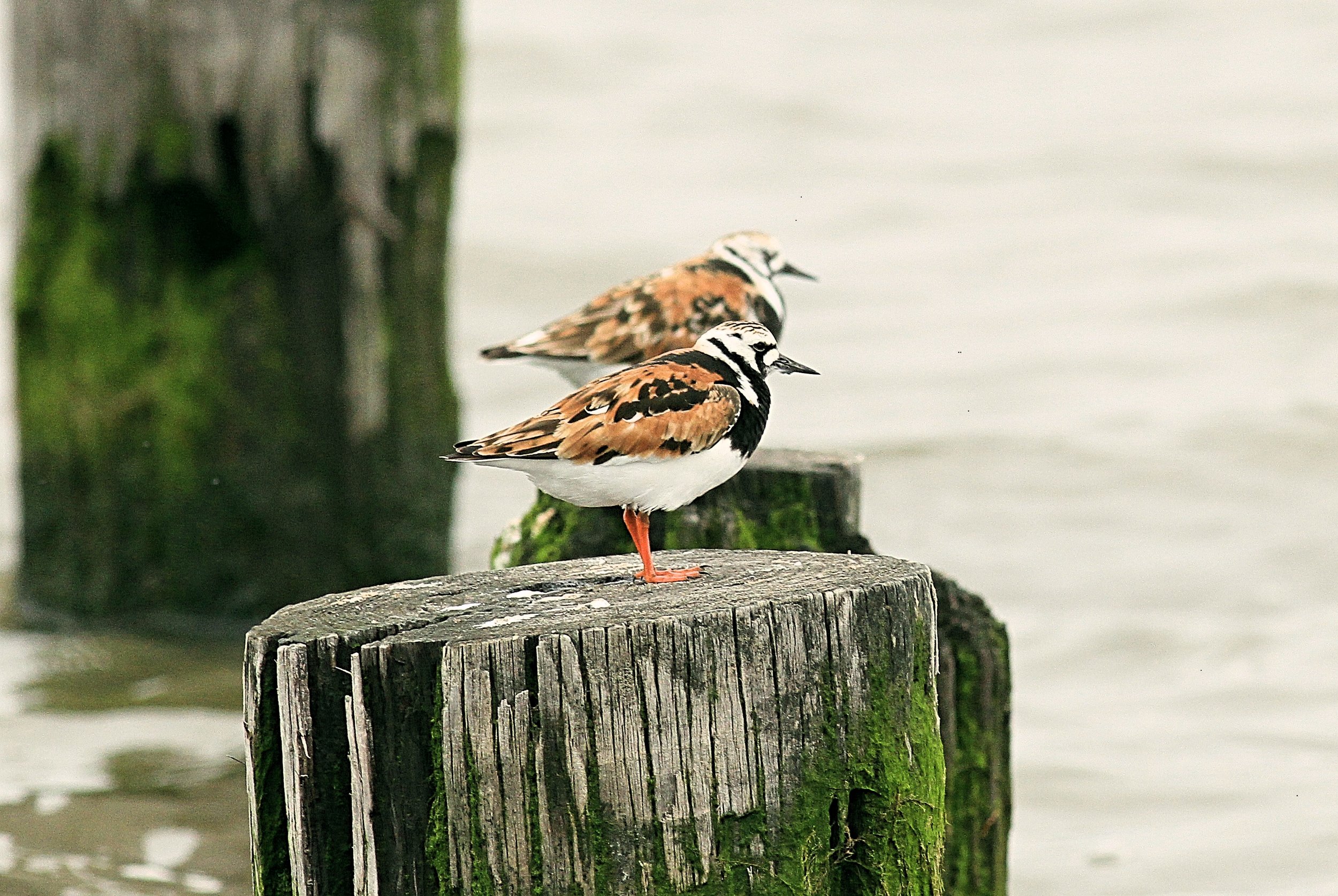
Arenaria interpres
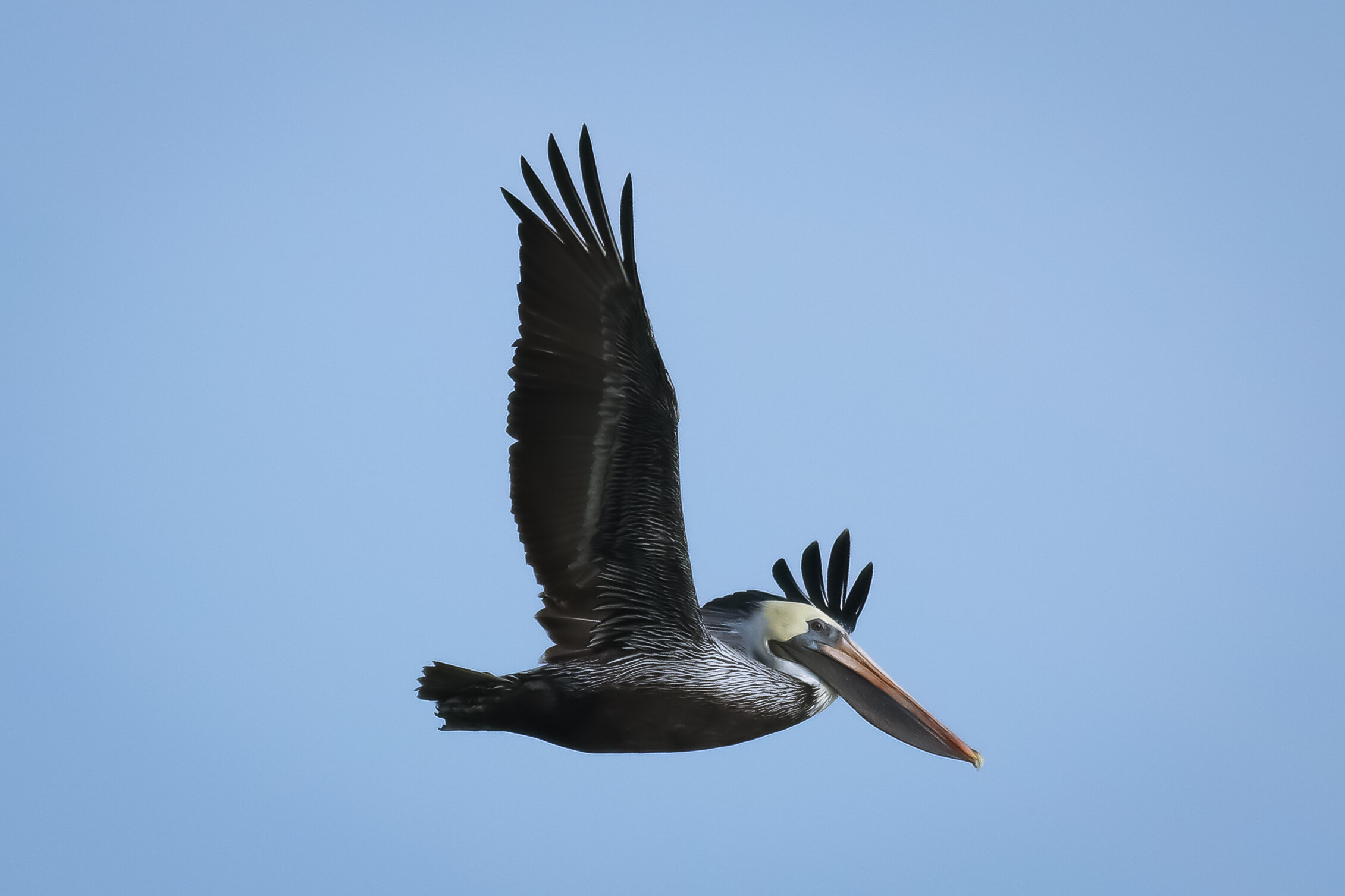
Pelecanus occidentalis
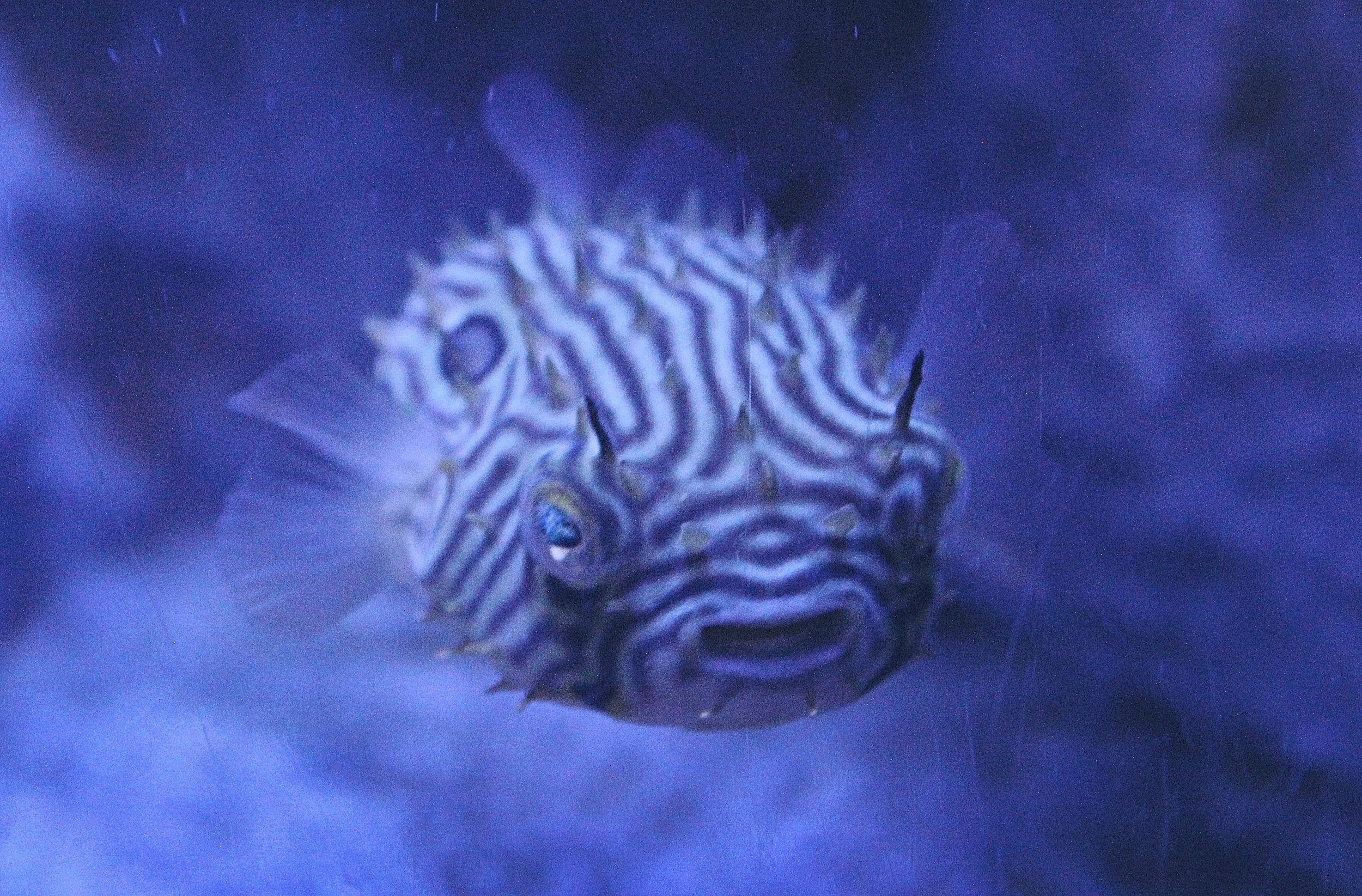
Chilomycterus schoepfi
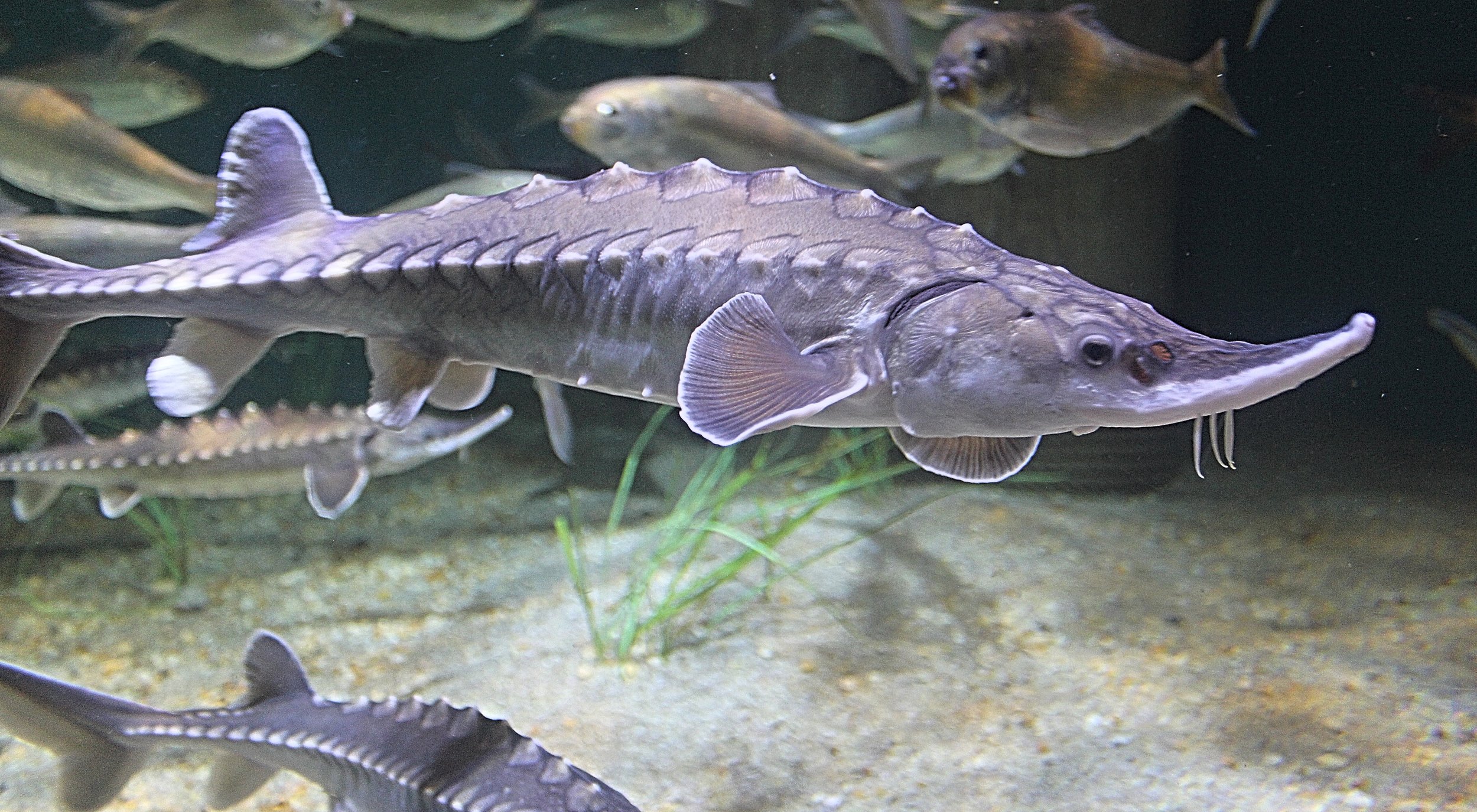
Acipenser oxyrhynchus oxyrhynchus
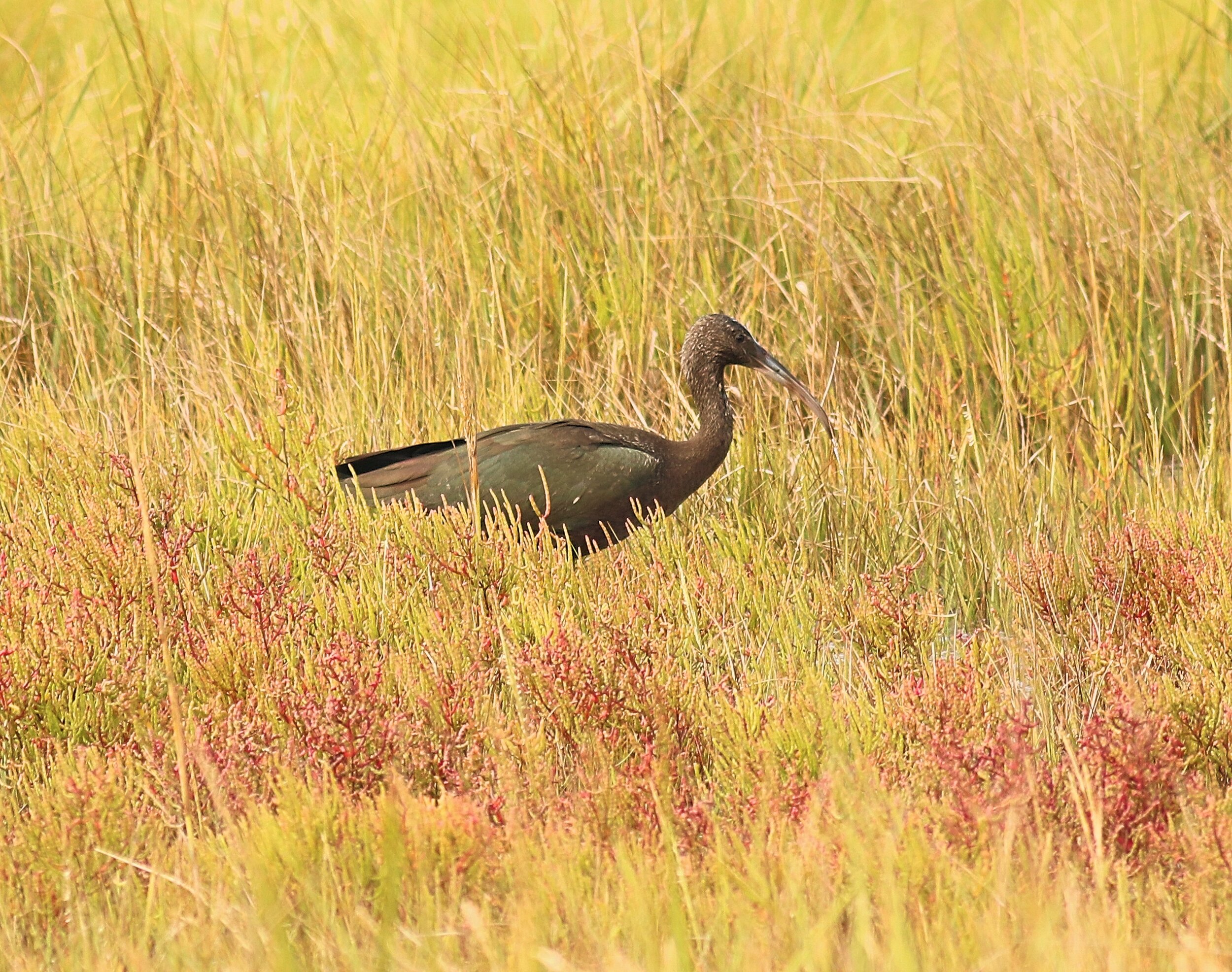
Plegadis falcinellus
Egretta tricolor
Sterna forsteri
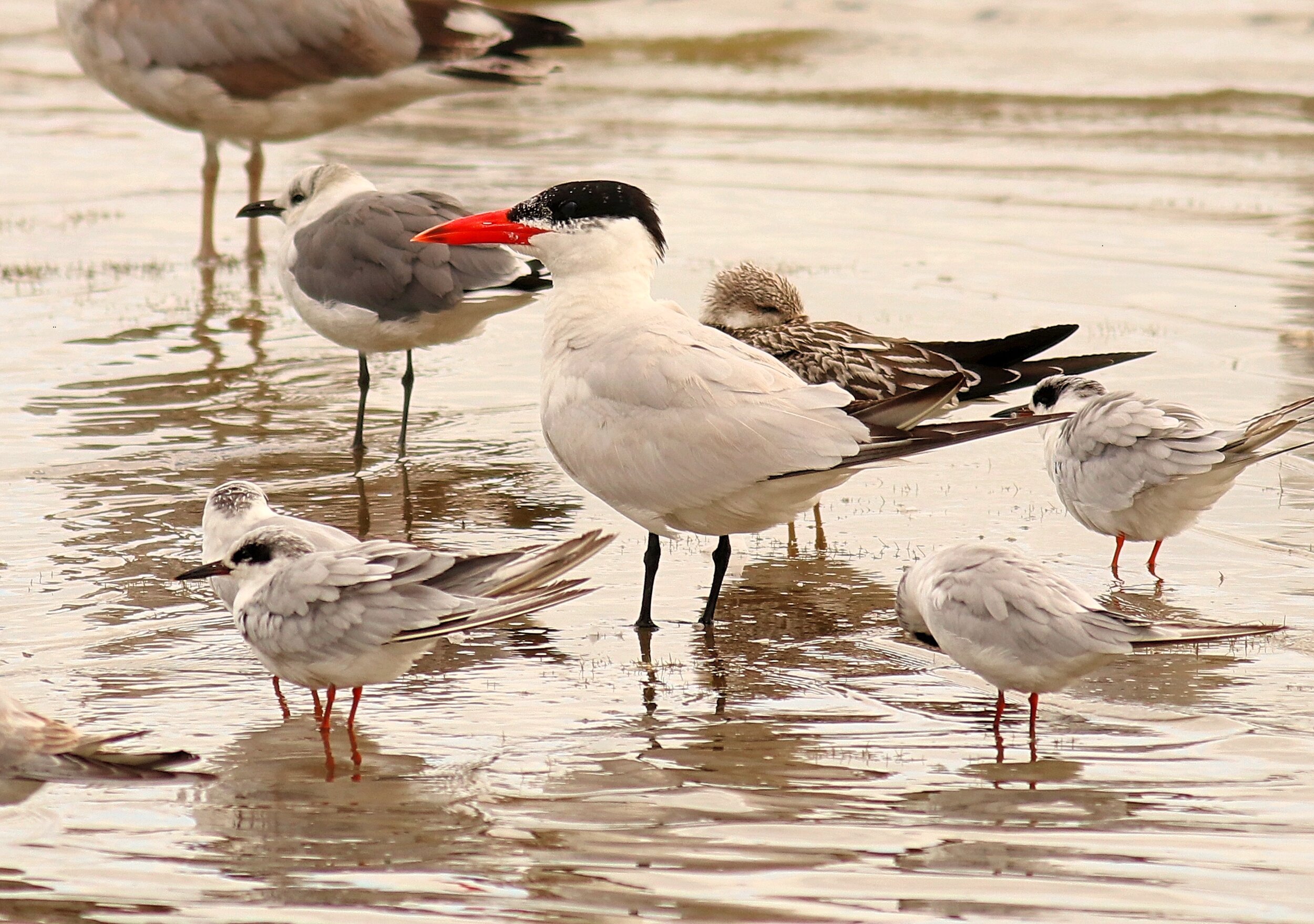
Hydroprogne caspia
Ardea alba & Egretta thula
Amaranthus pumilus
Pseudopleuronectes americanus
Solidago sempervirens
Selene vomer
Sphyraena borealis
Cynoscion regalis
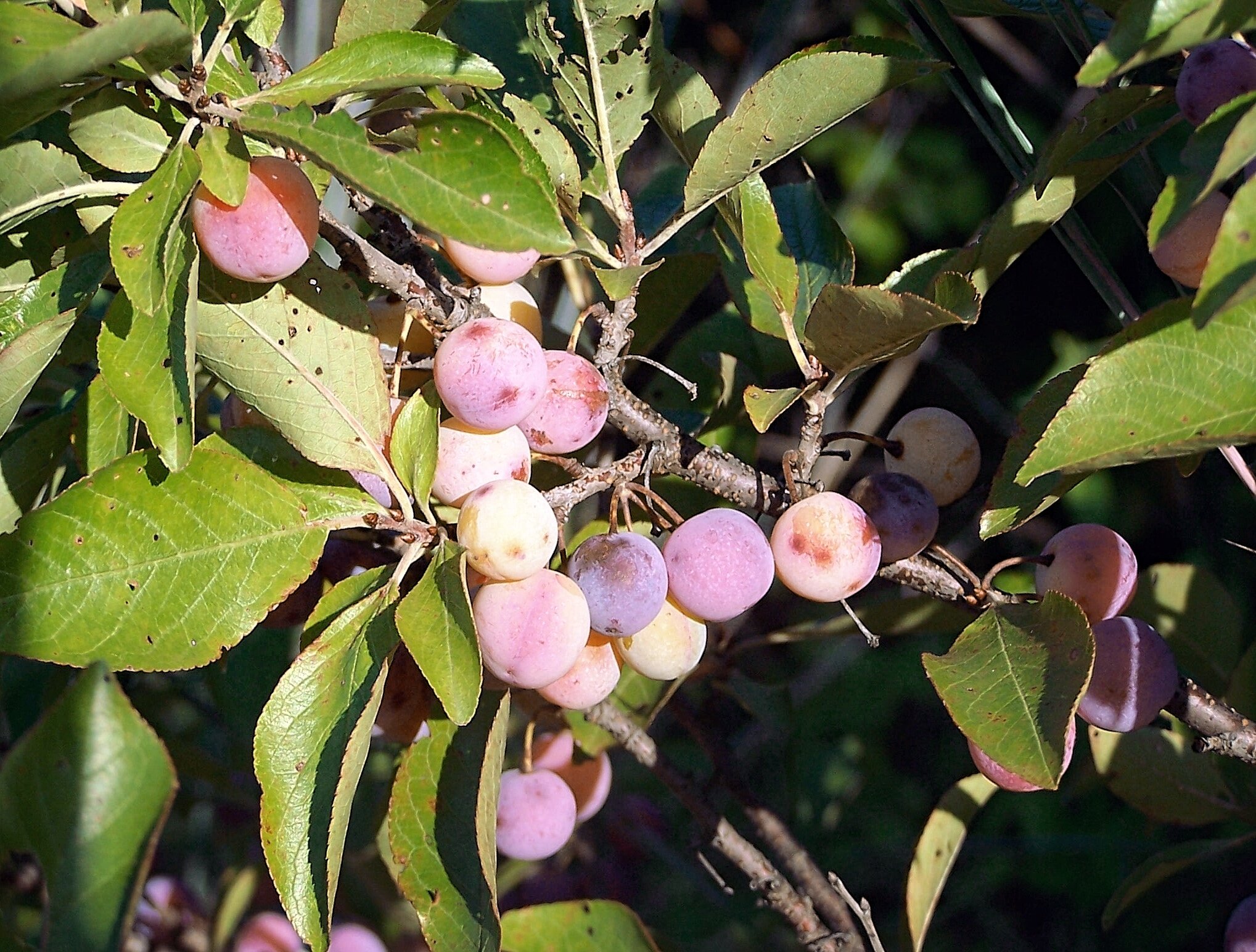
Prunus maritima
Opsanus tau
Paralichthys dentatus
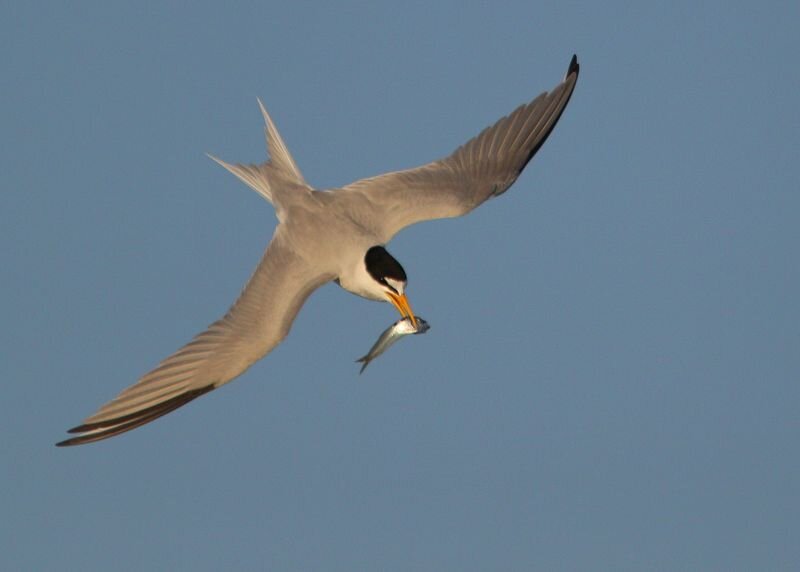
Sternula antillarum
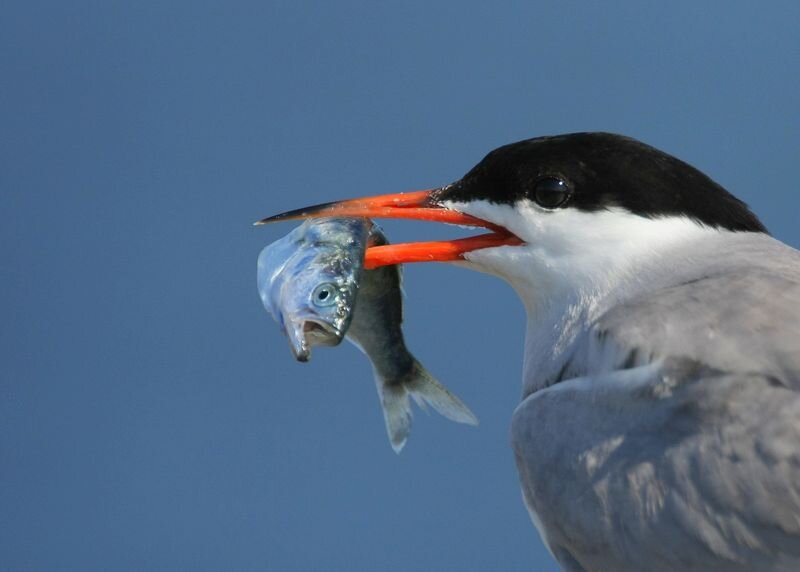
Sterna hirundo
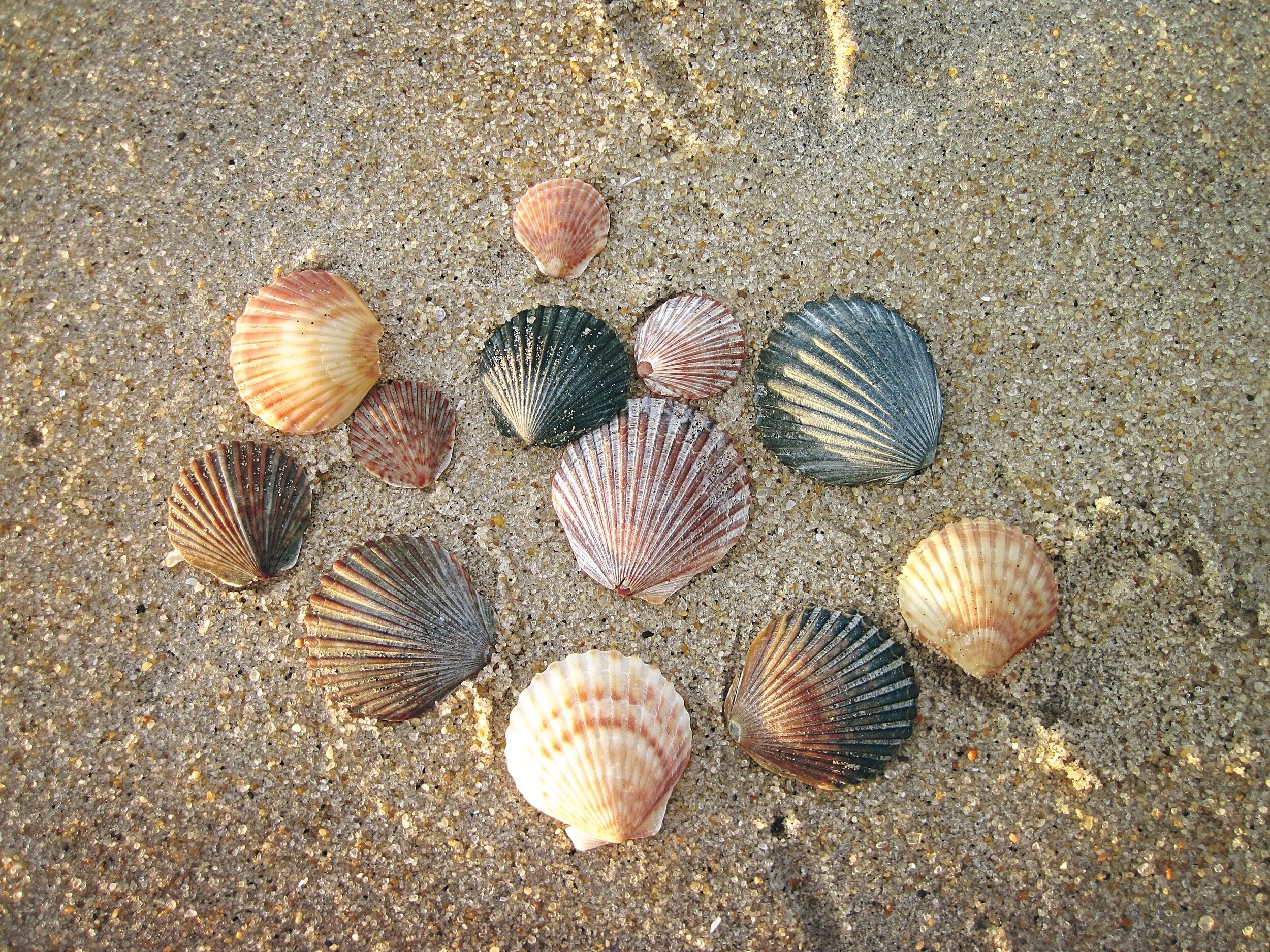
Argopecten irradians
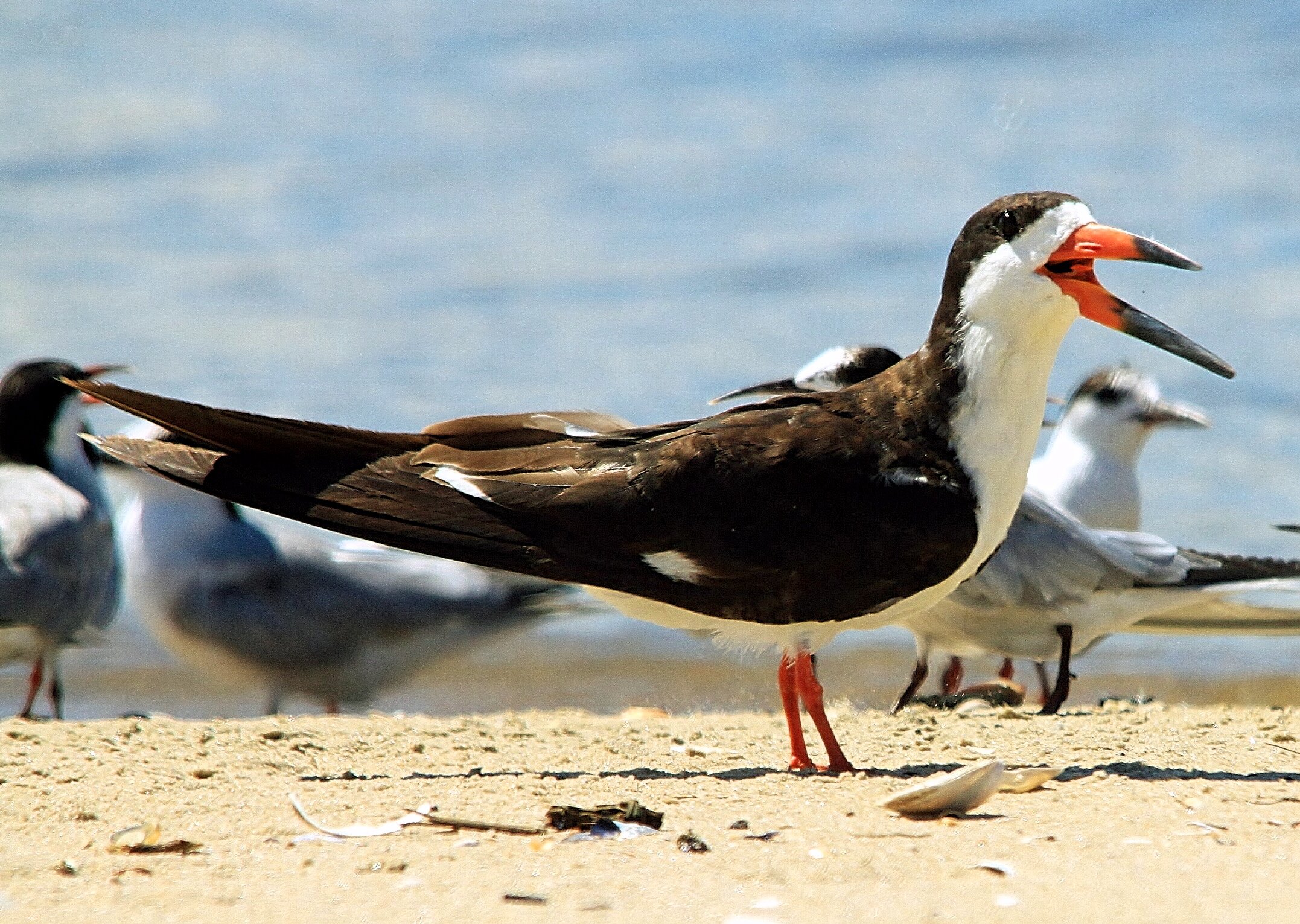
Rynchops niger
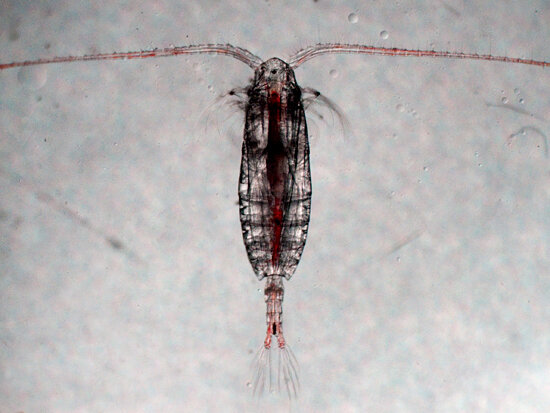
Copepoda
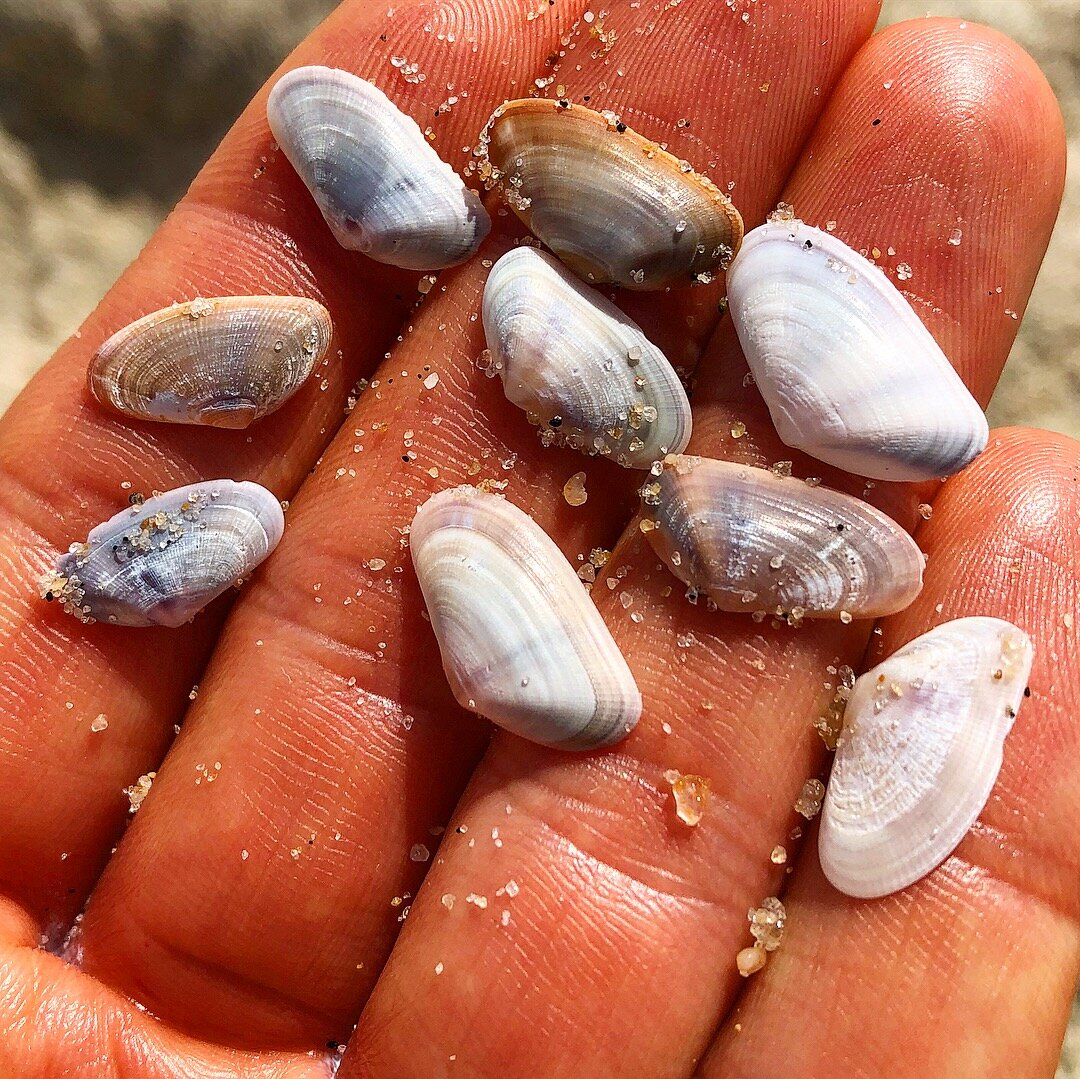
Donax variabilis
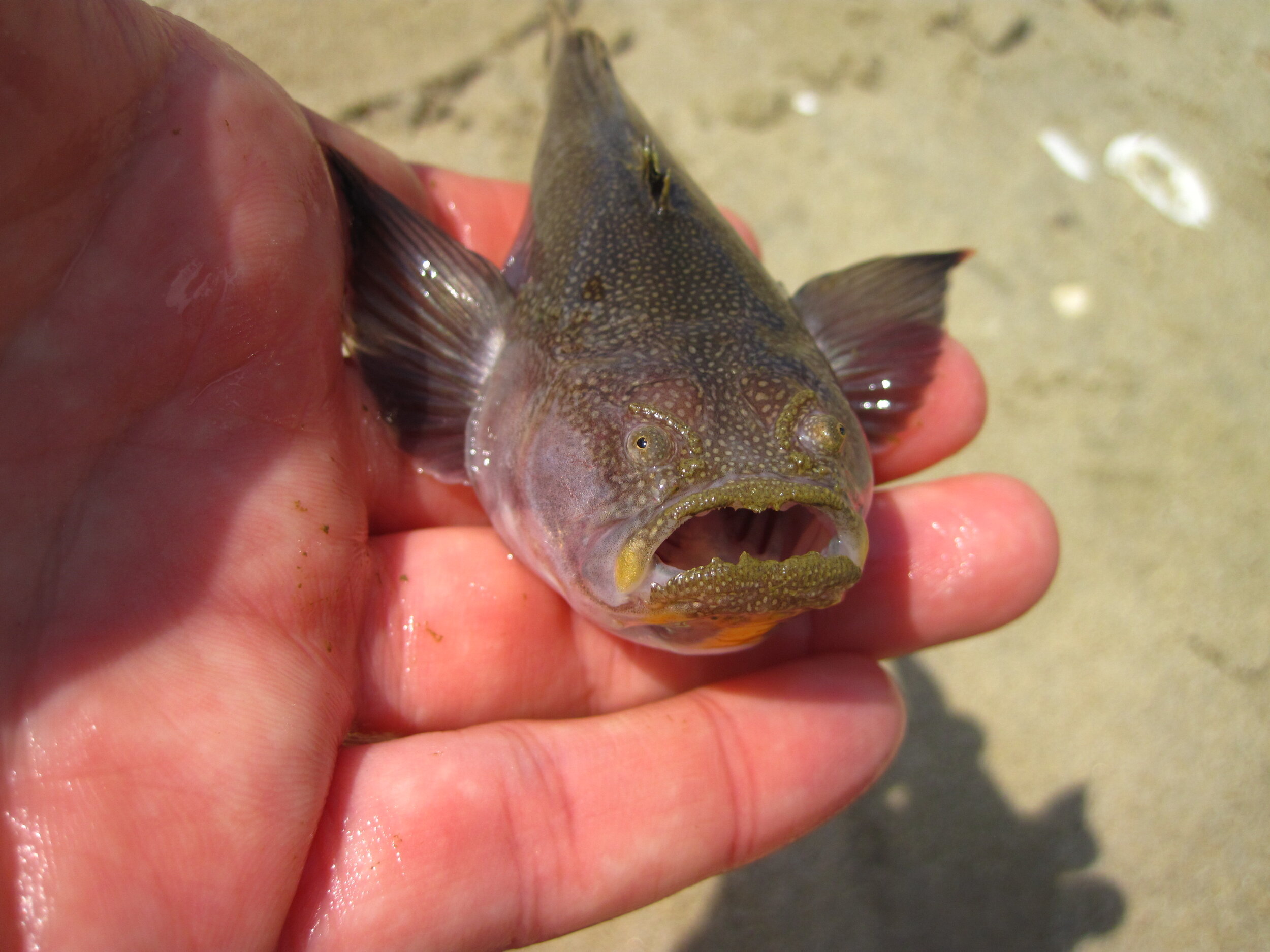
Astroscopus guttatus
Ocypode quadrata
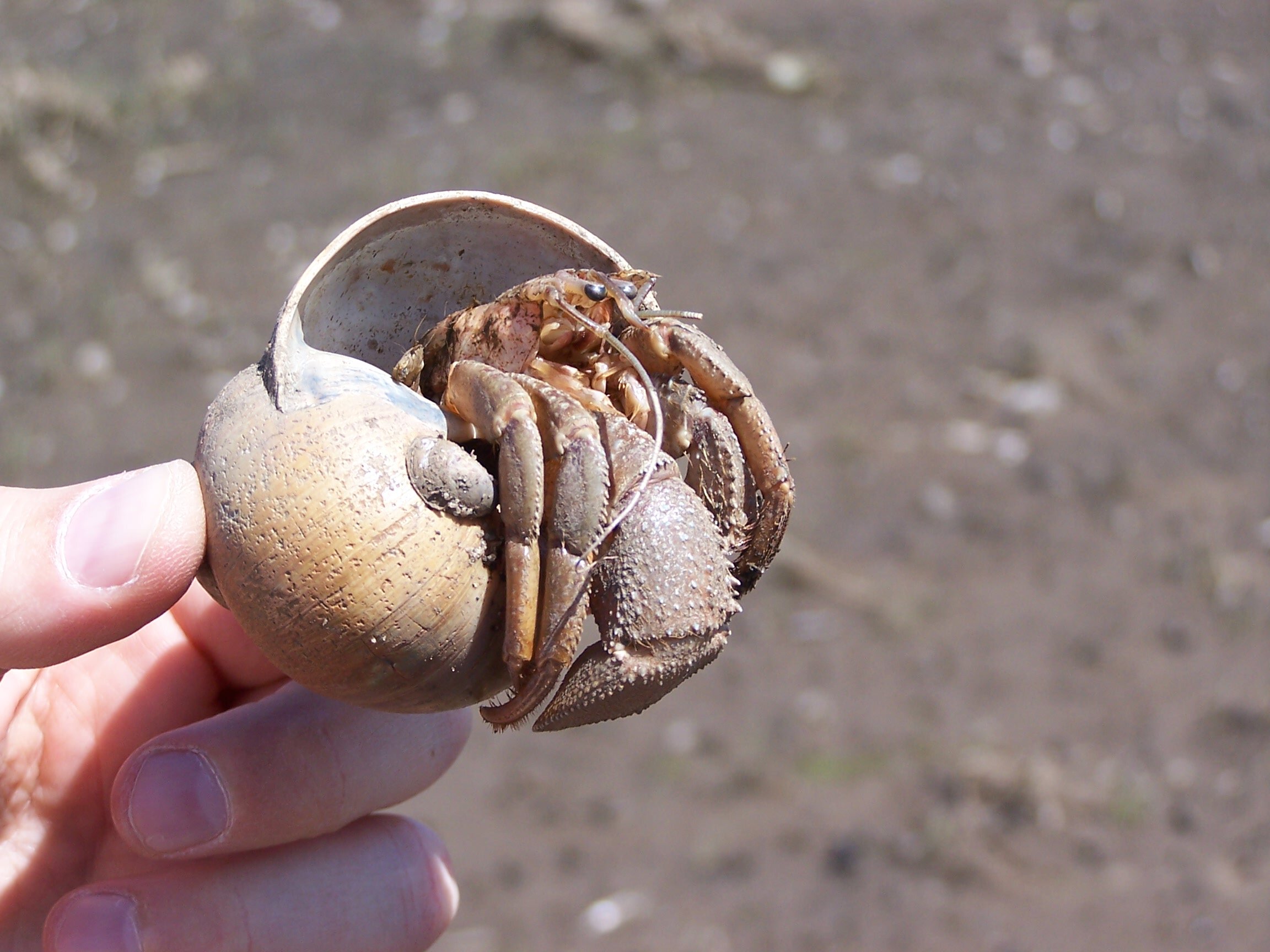
Pagurus longicarpus
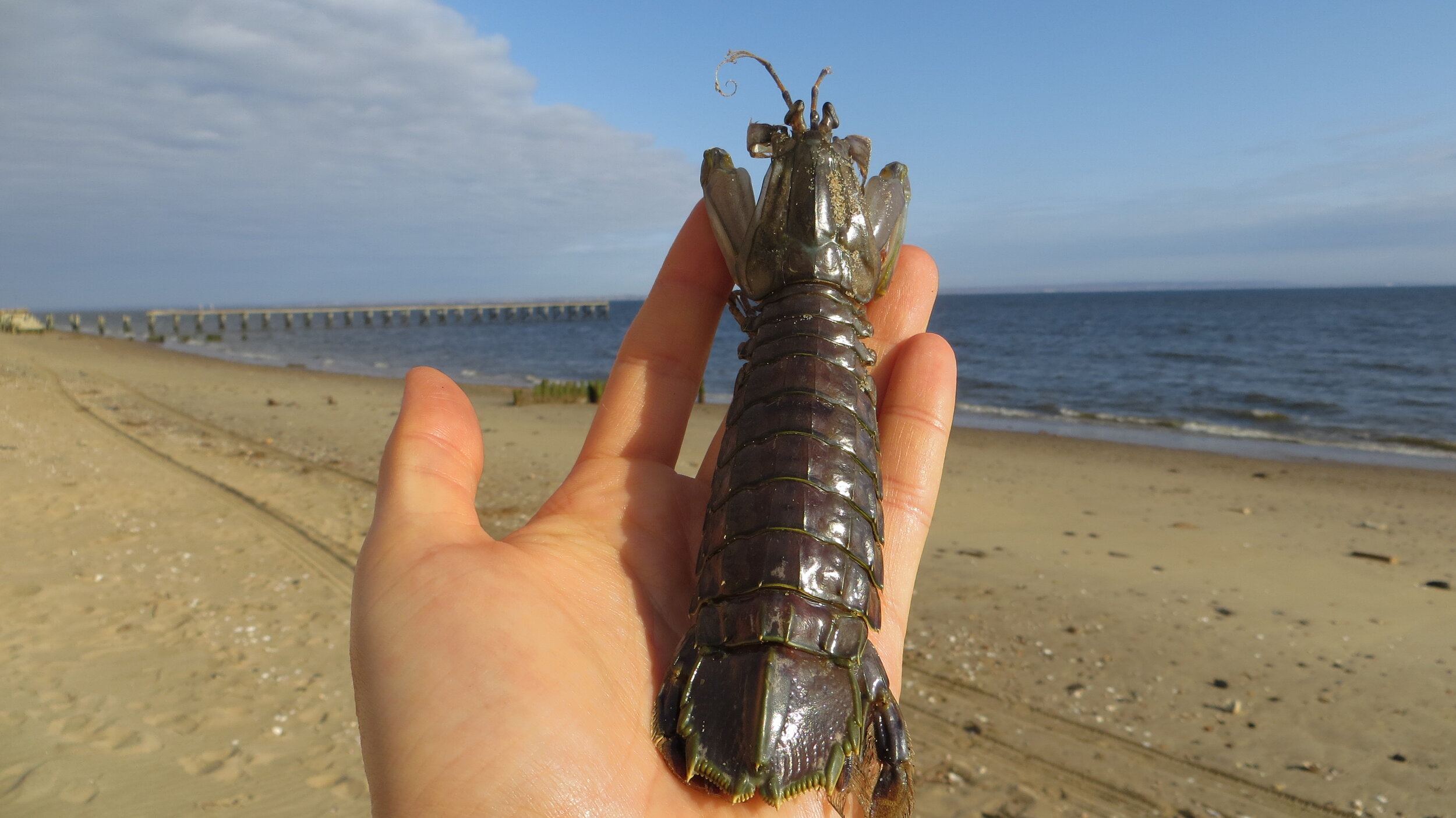
Stomatopoda
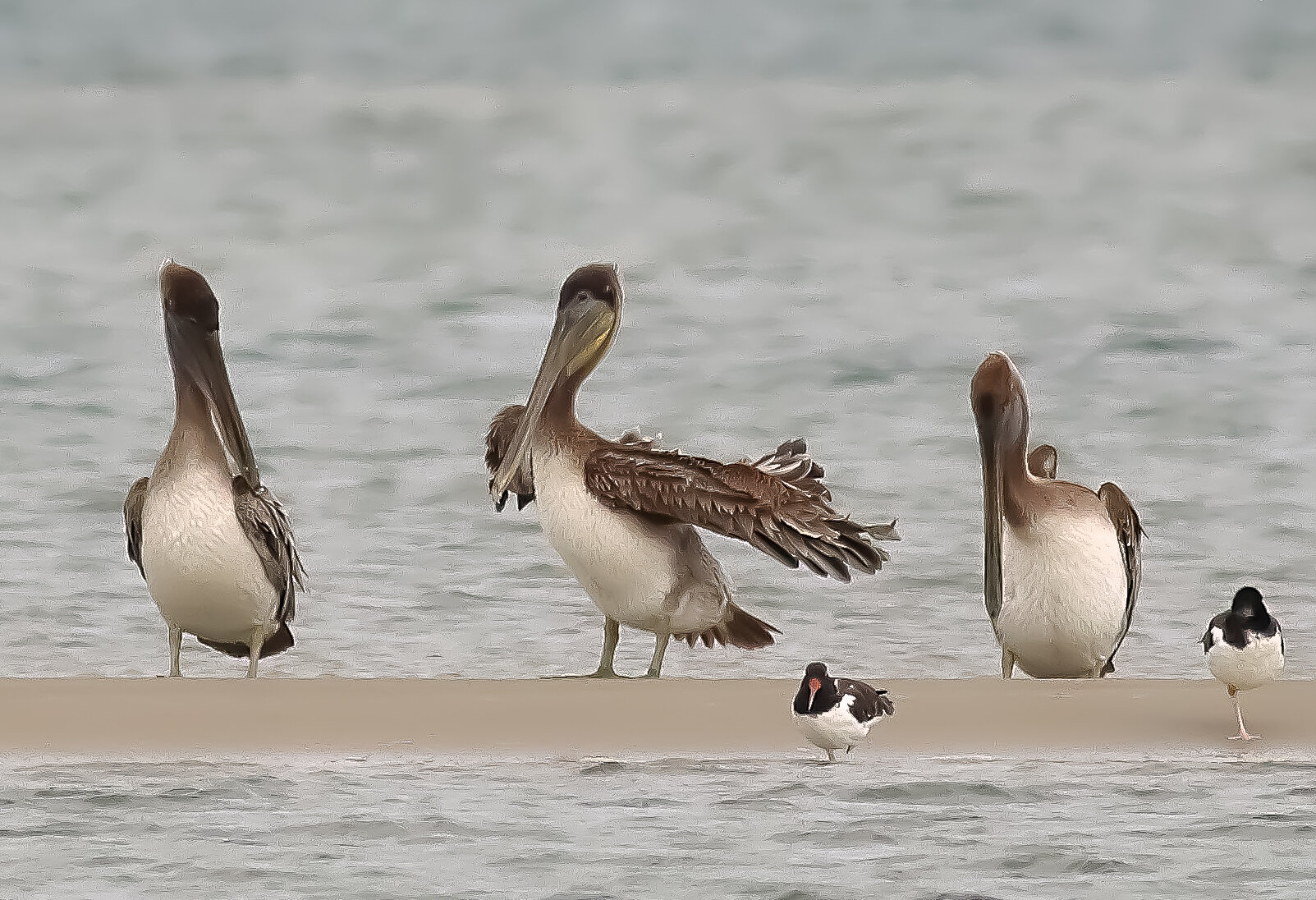
Pelecanus occidentalis
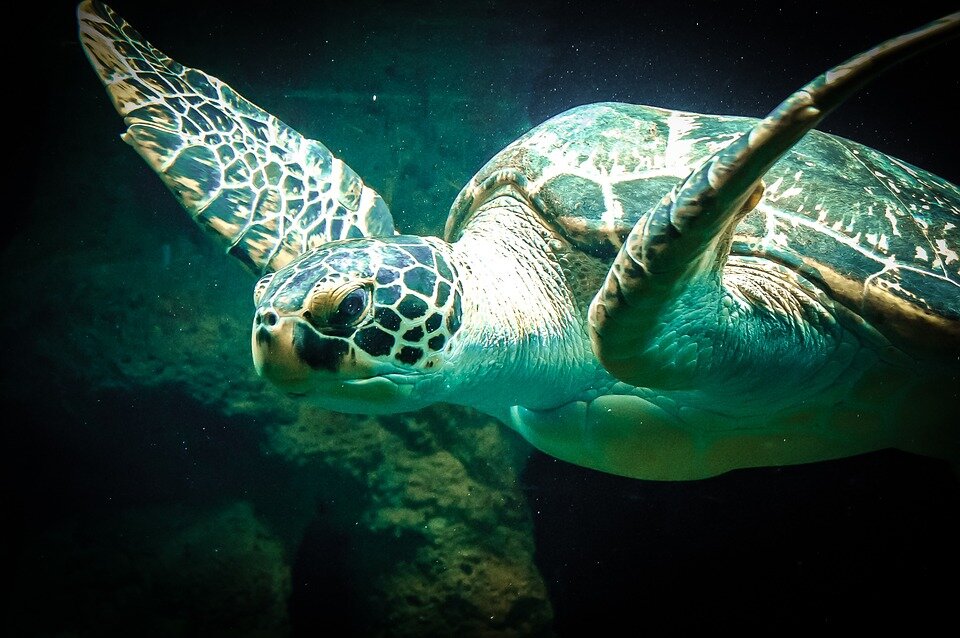
Caretta caretta
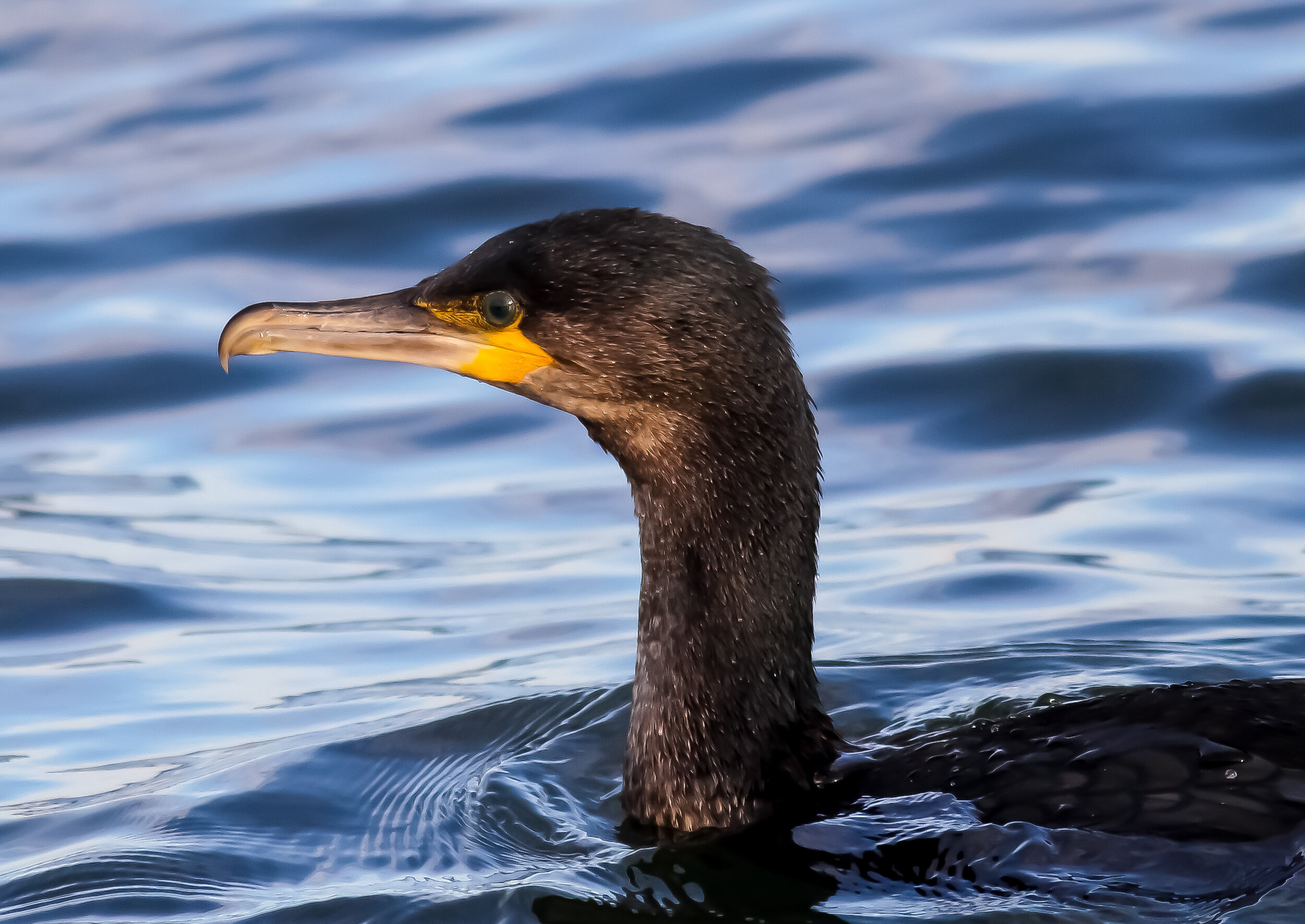
Phalacrocorax auritus
Halichoerus grypus
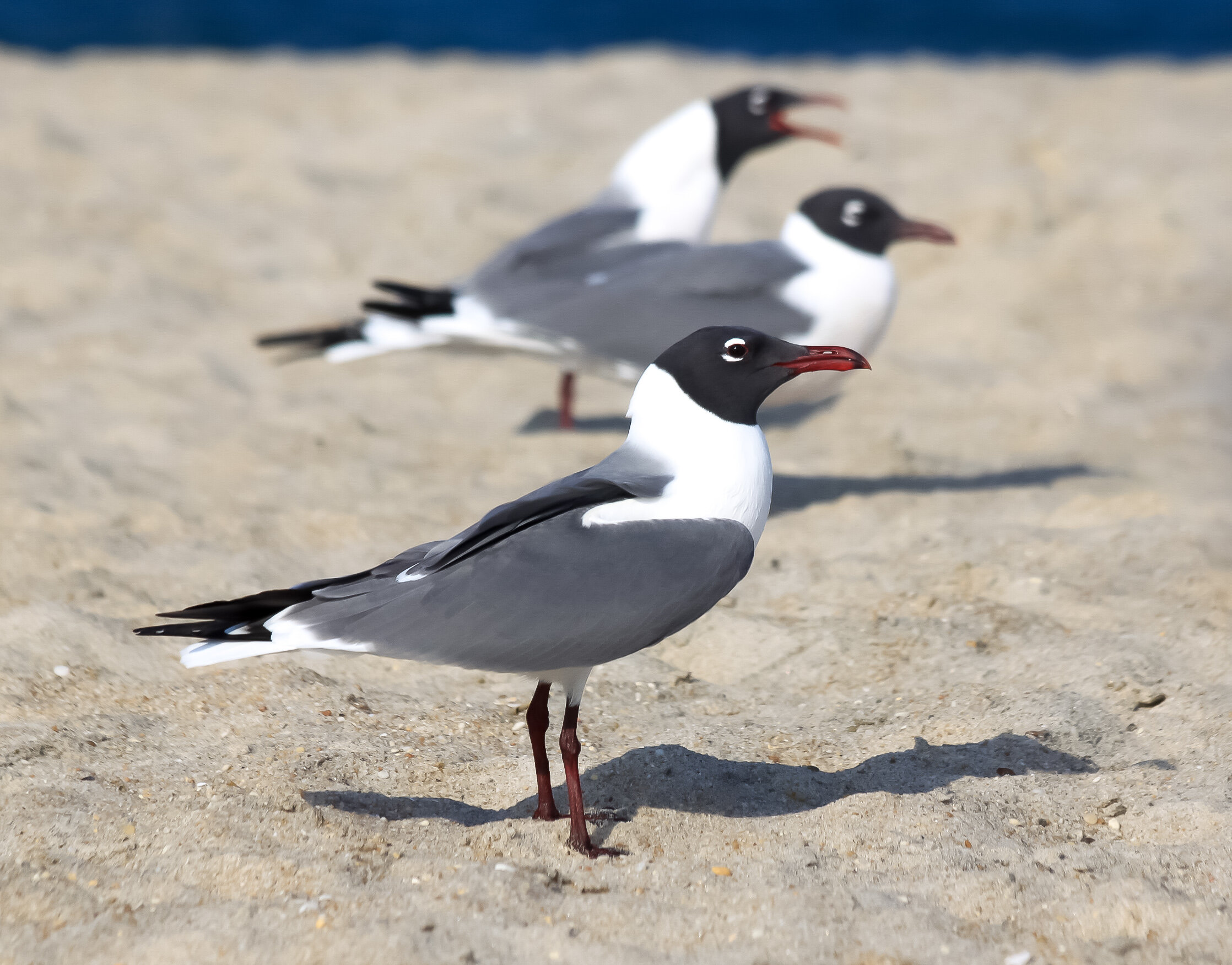
Leucophaeus atricilla
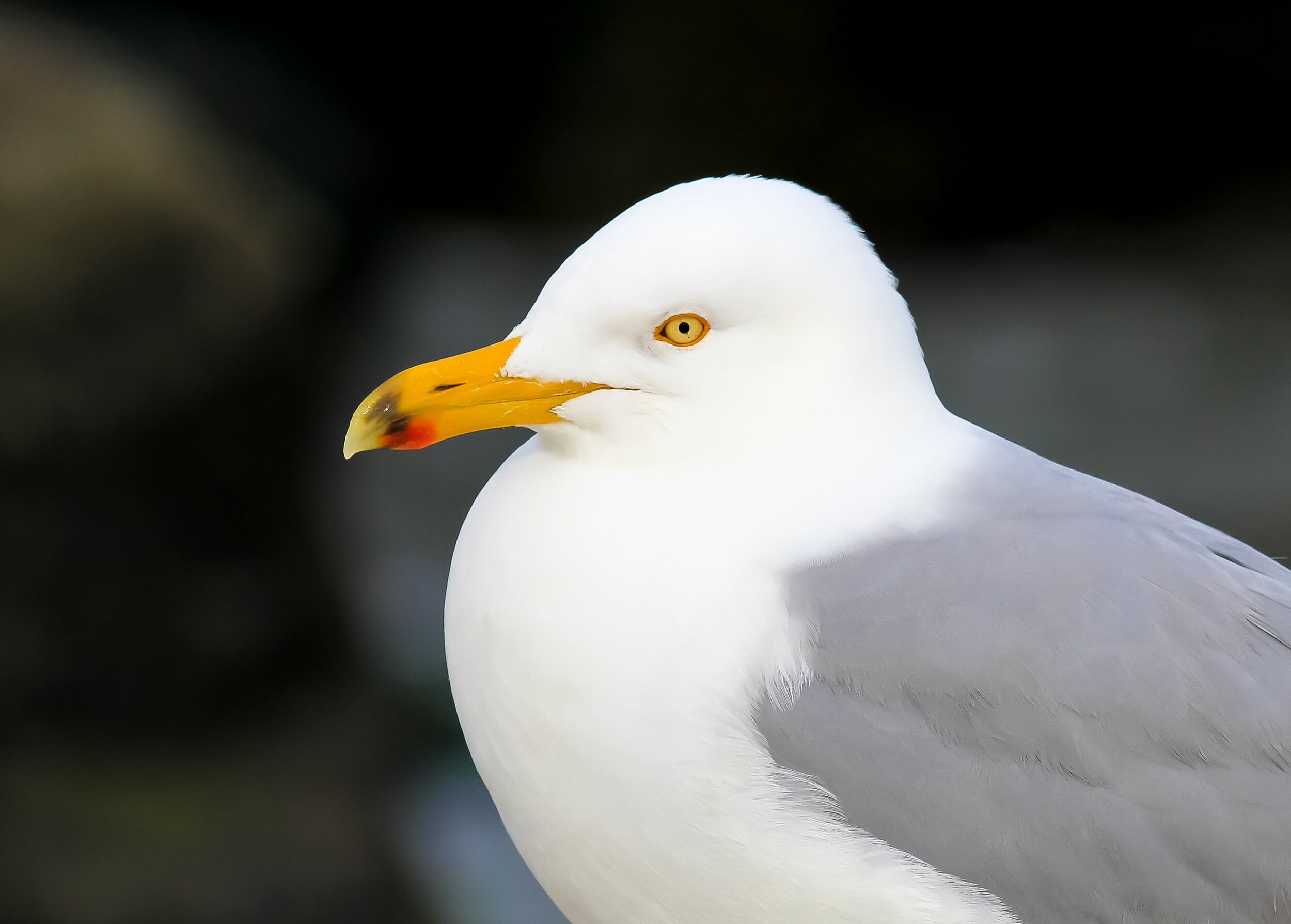
Larus smithsonianus
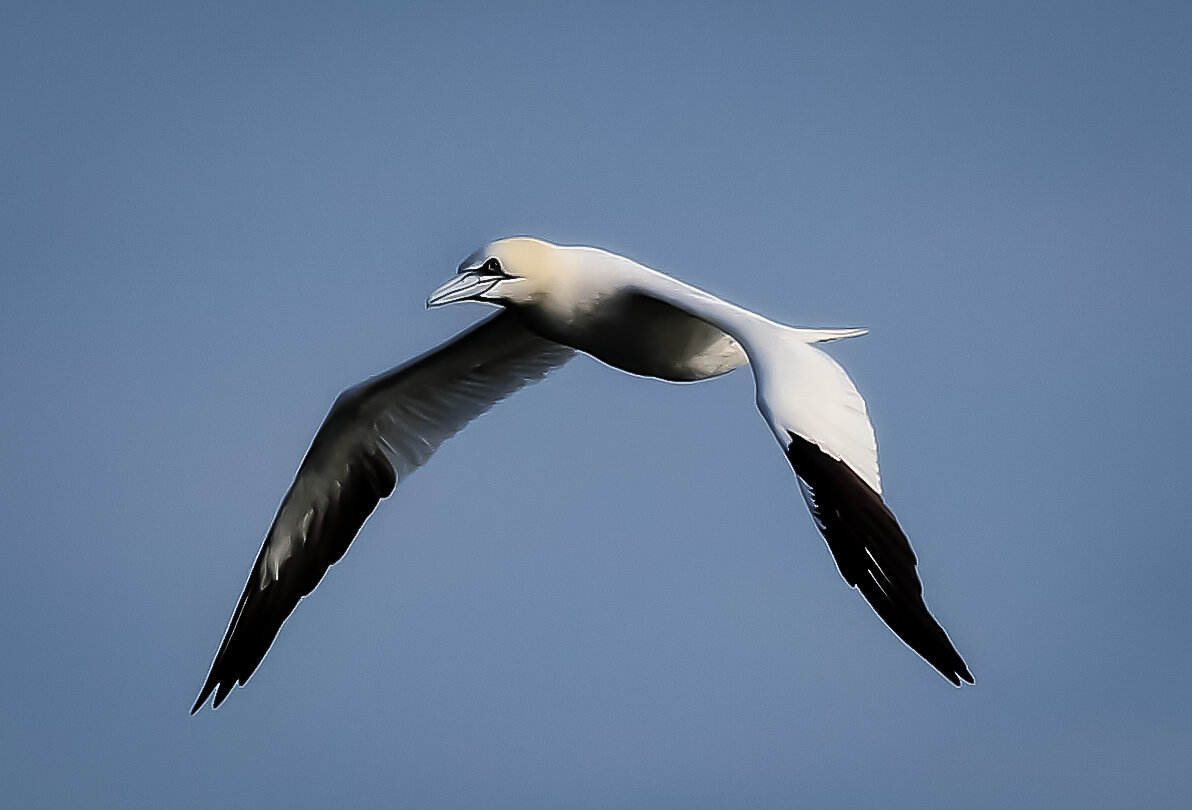
Morus bassanus
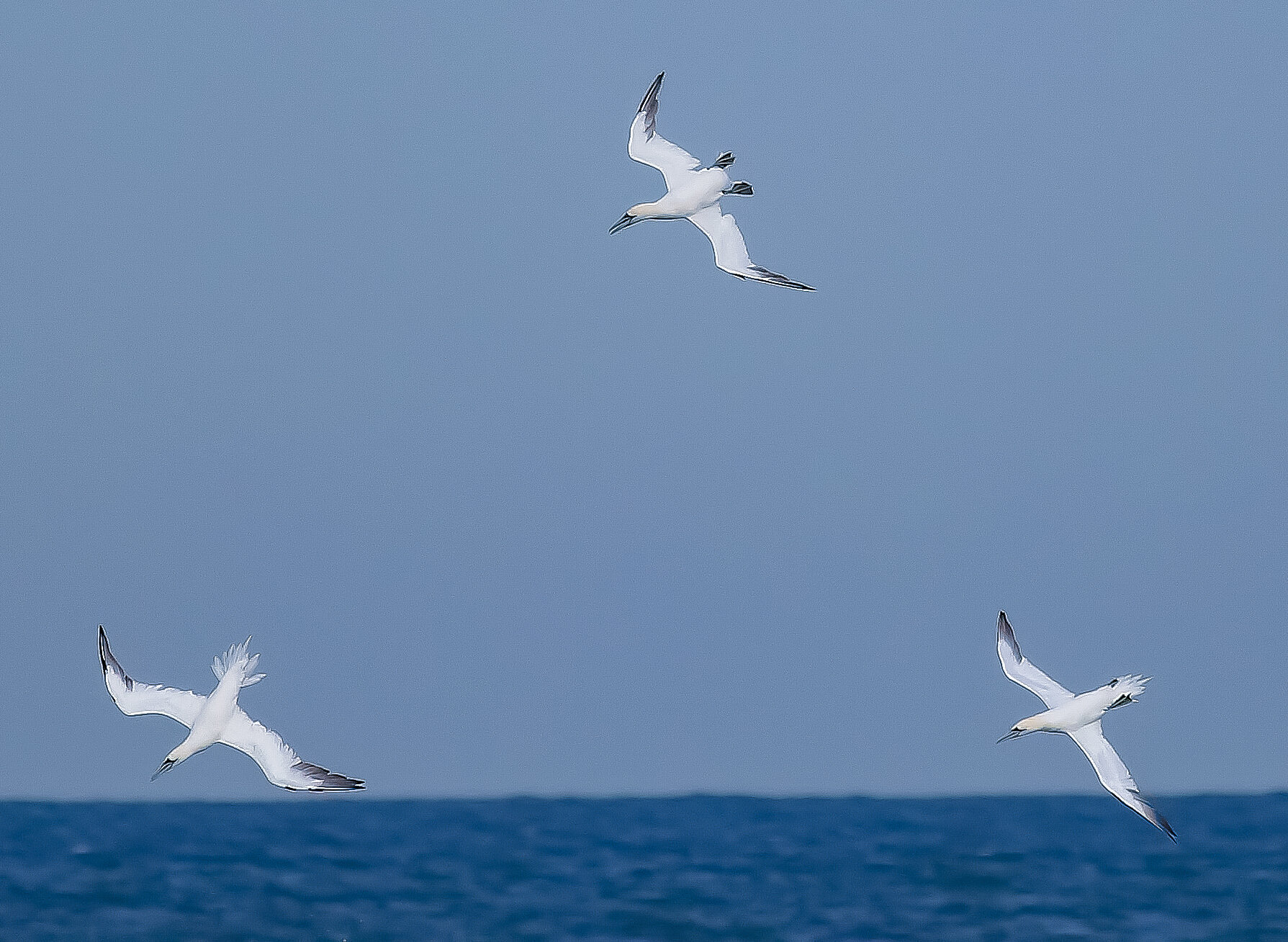
Morus bassanus
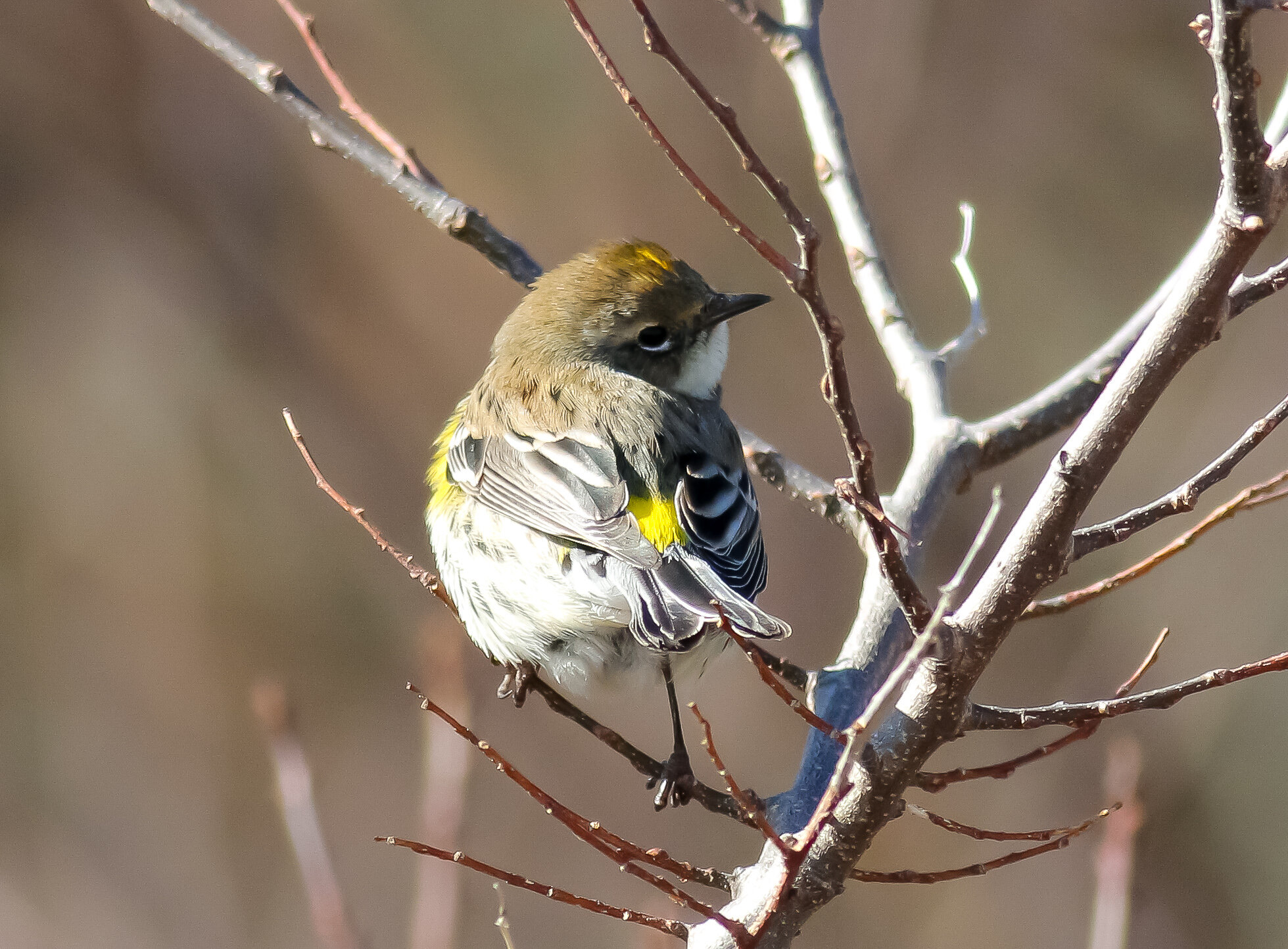
Setophaga coronata
Haliaeetus leucocephalus
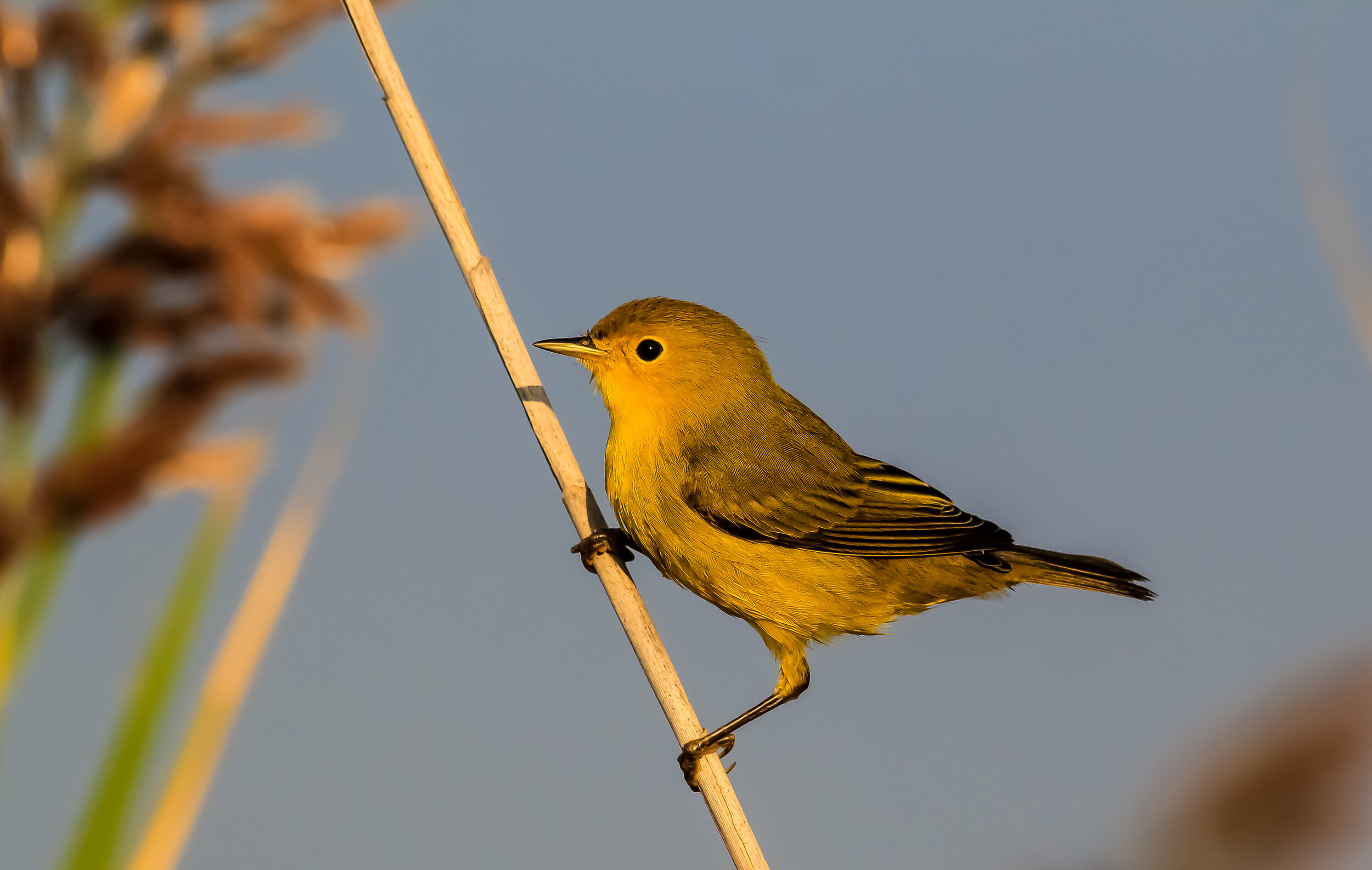
Setophaga petechia
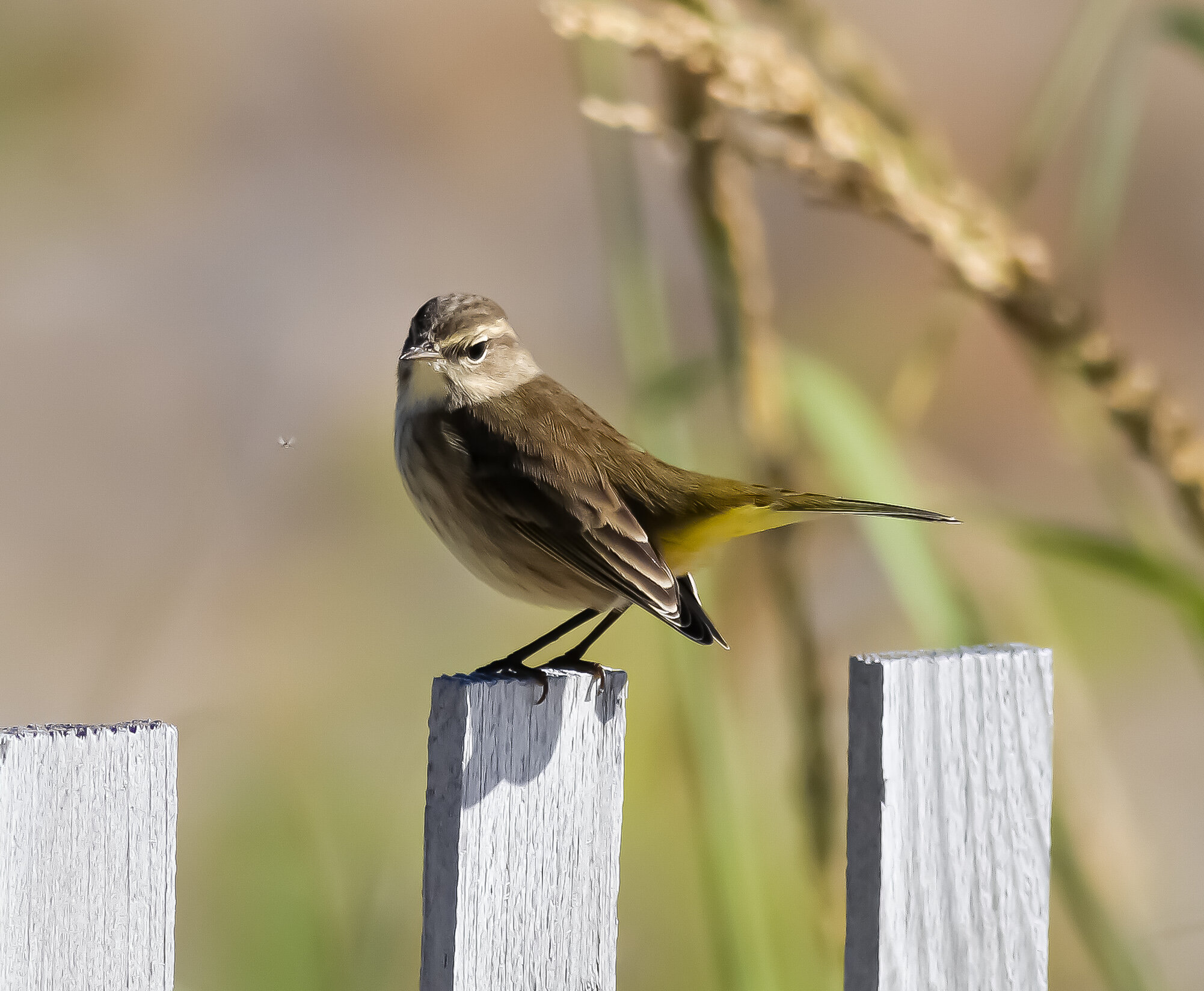
Setophaga palmarum
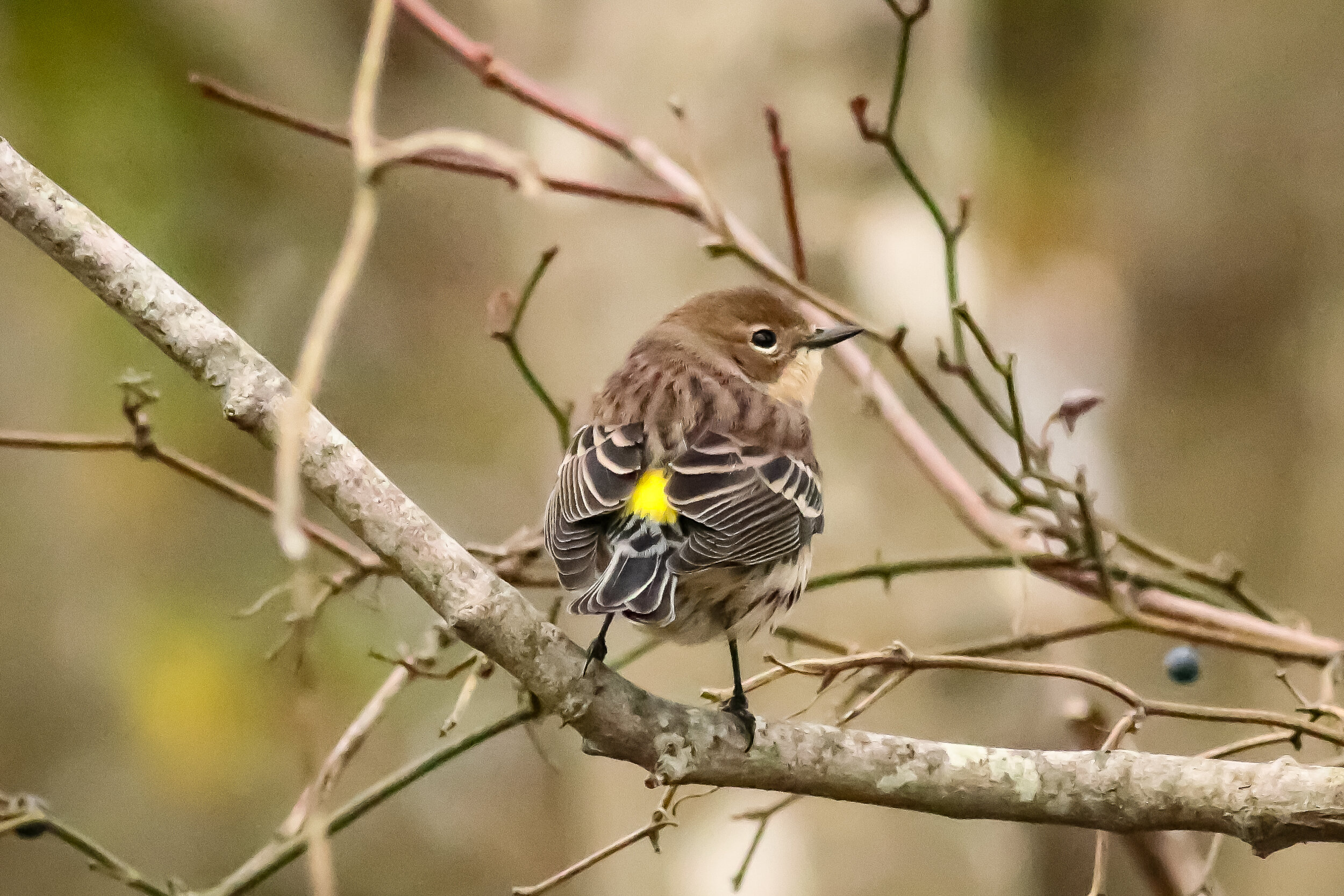
Setophaga coronata
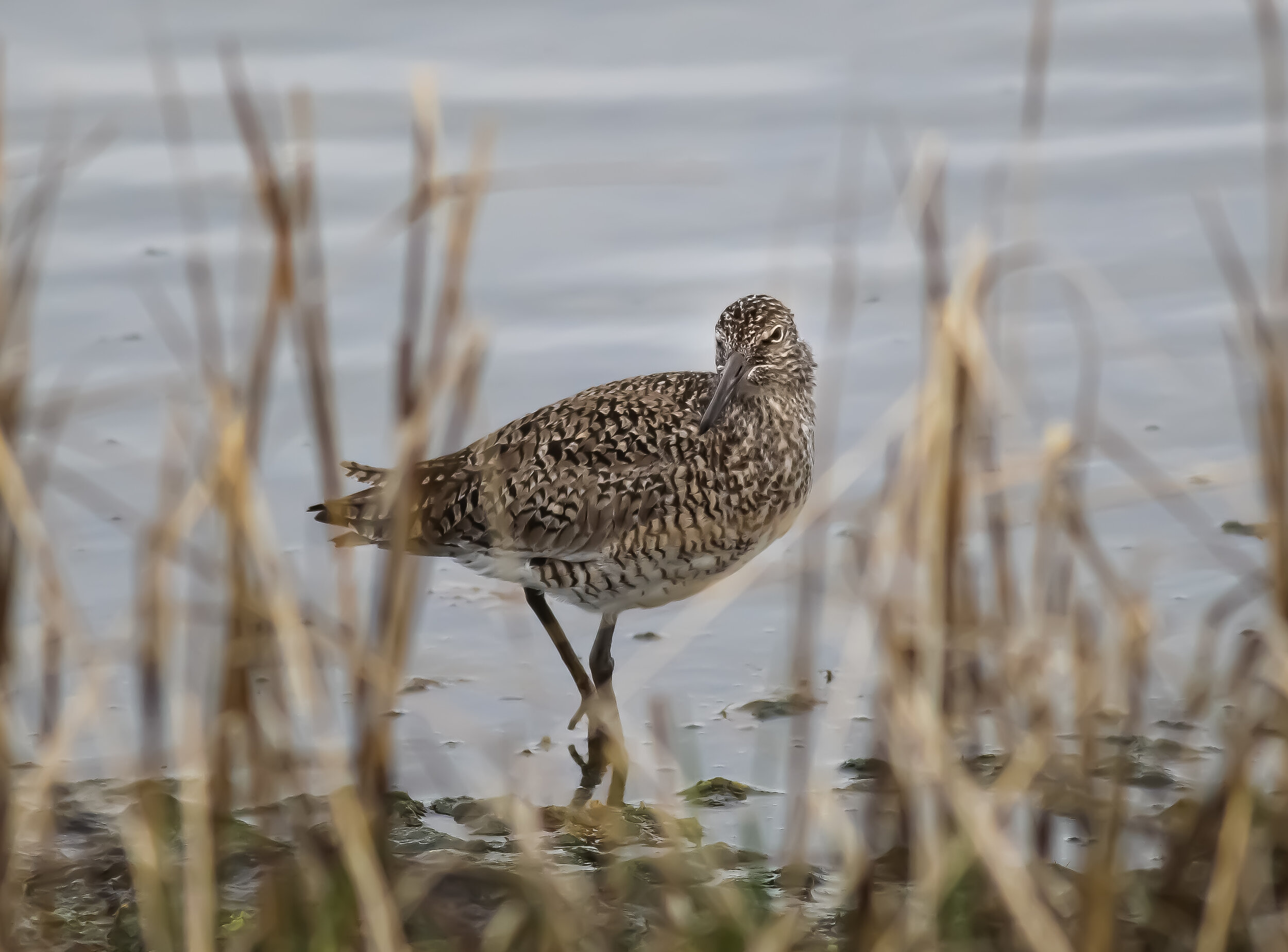
Tringa semipalmata
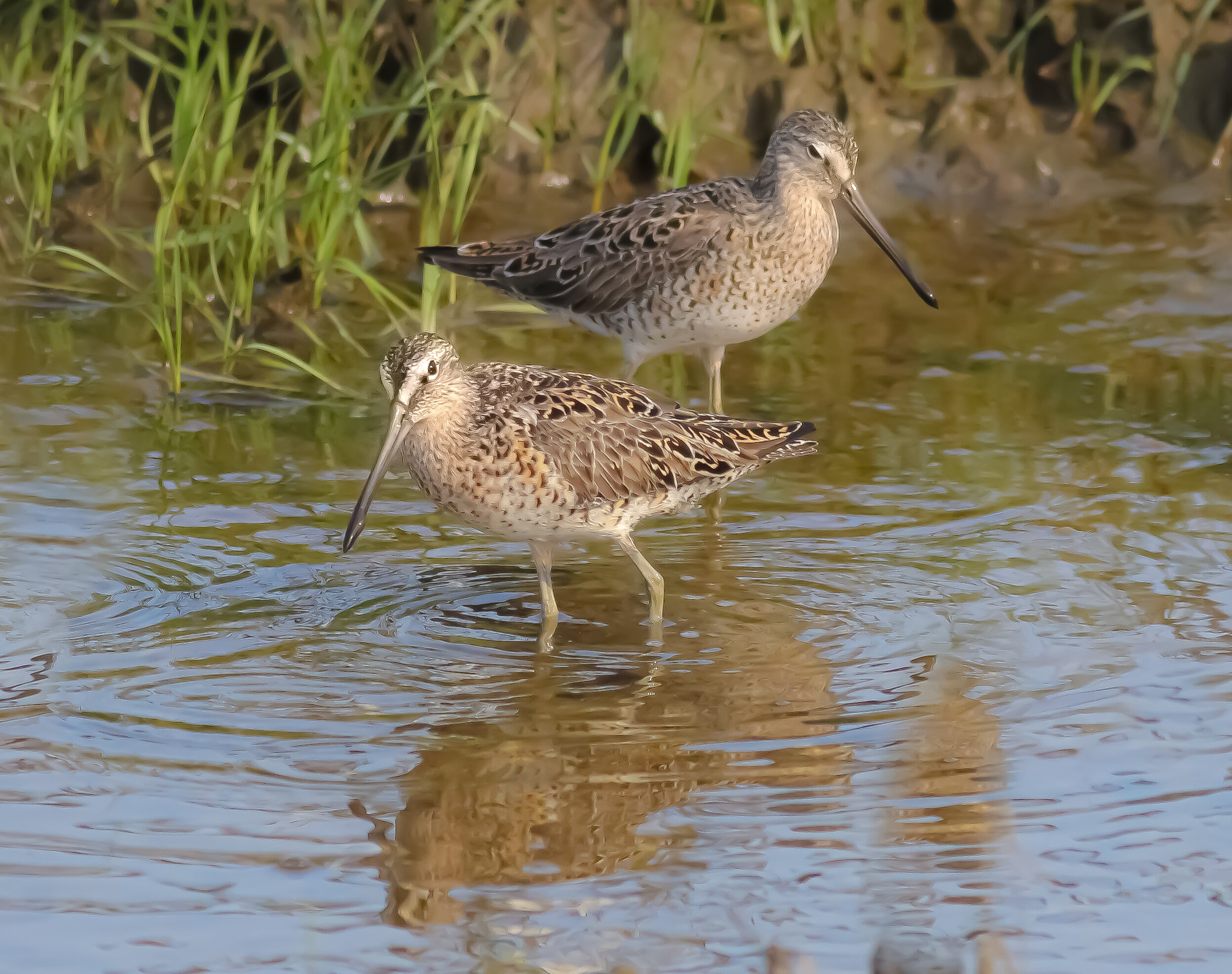
Calidris minutilla
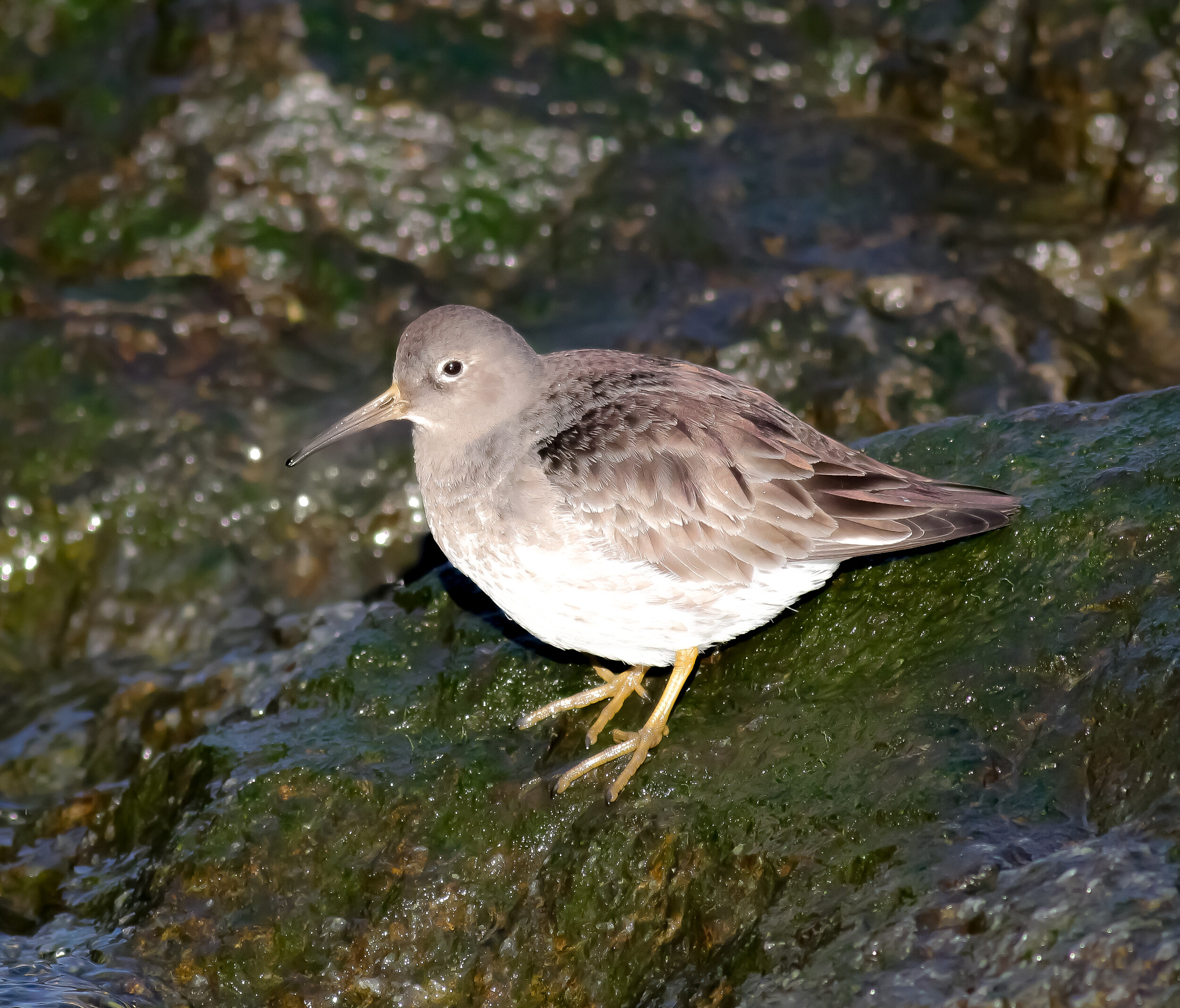
Calidris maritima
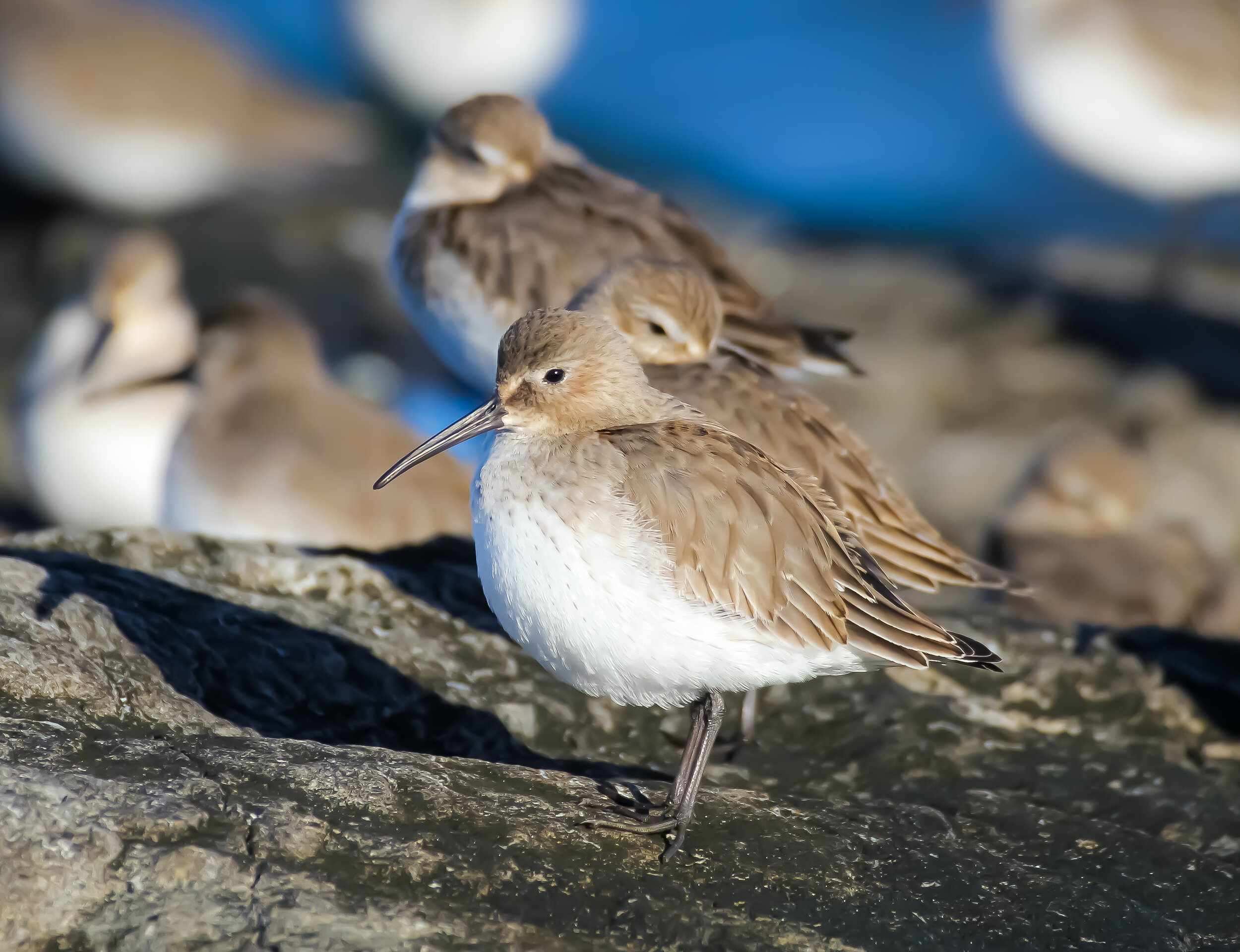
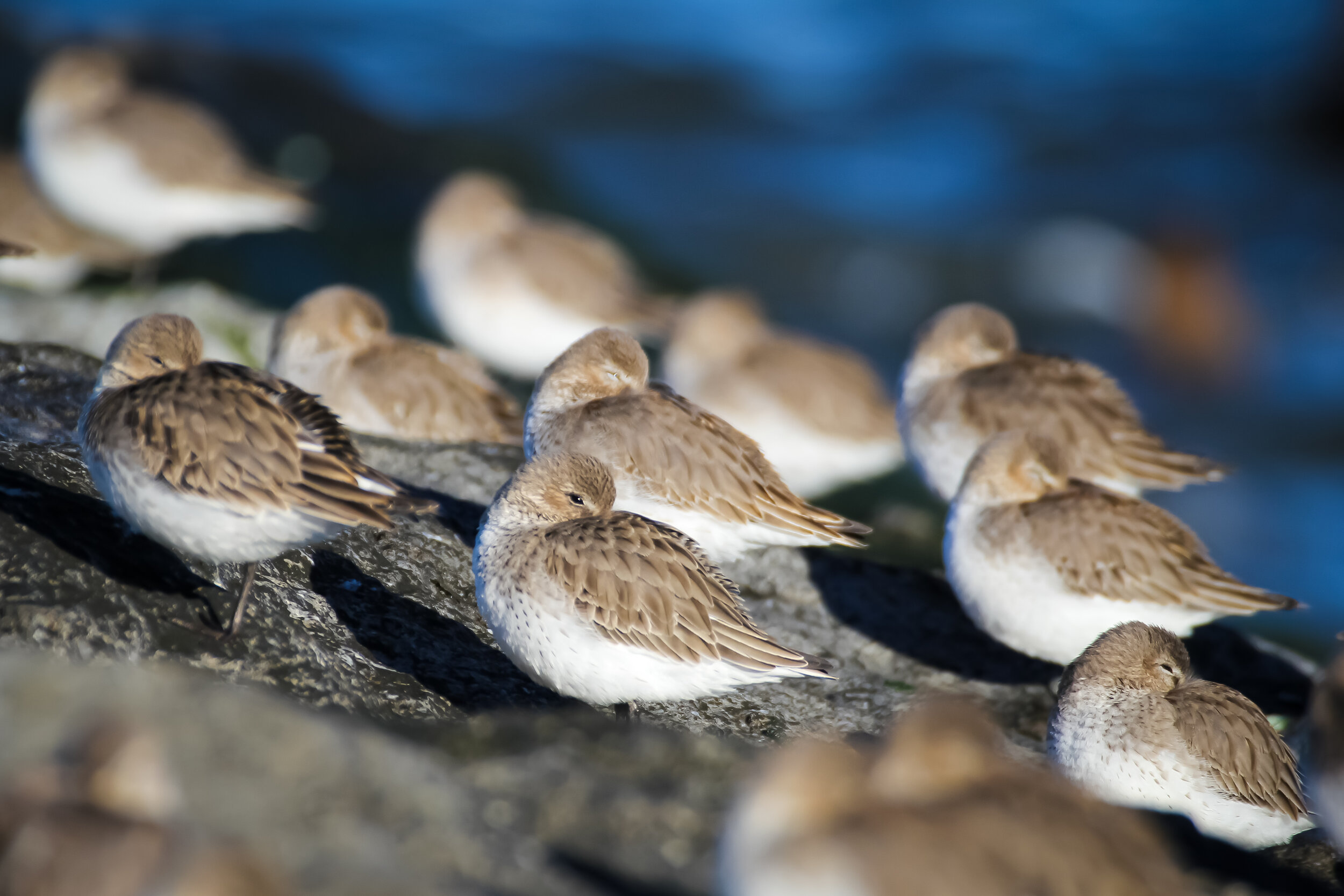
Calidris alpina
Calidris alpina
Calidris alpina
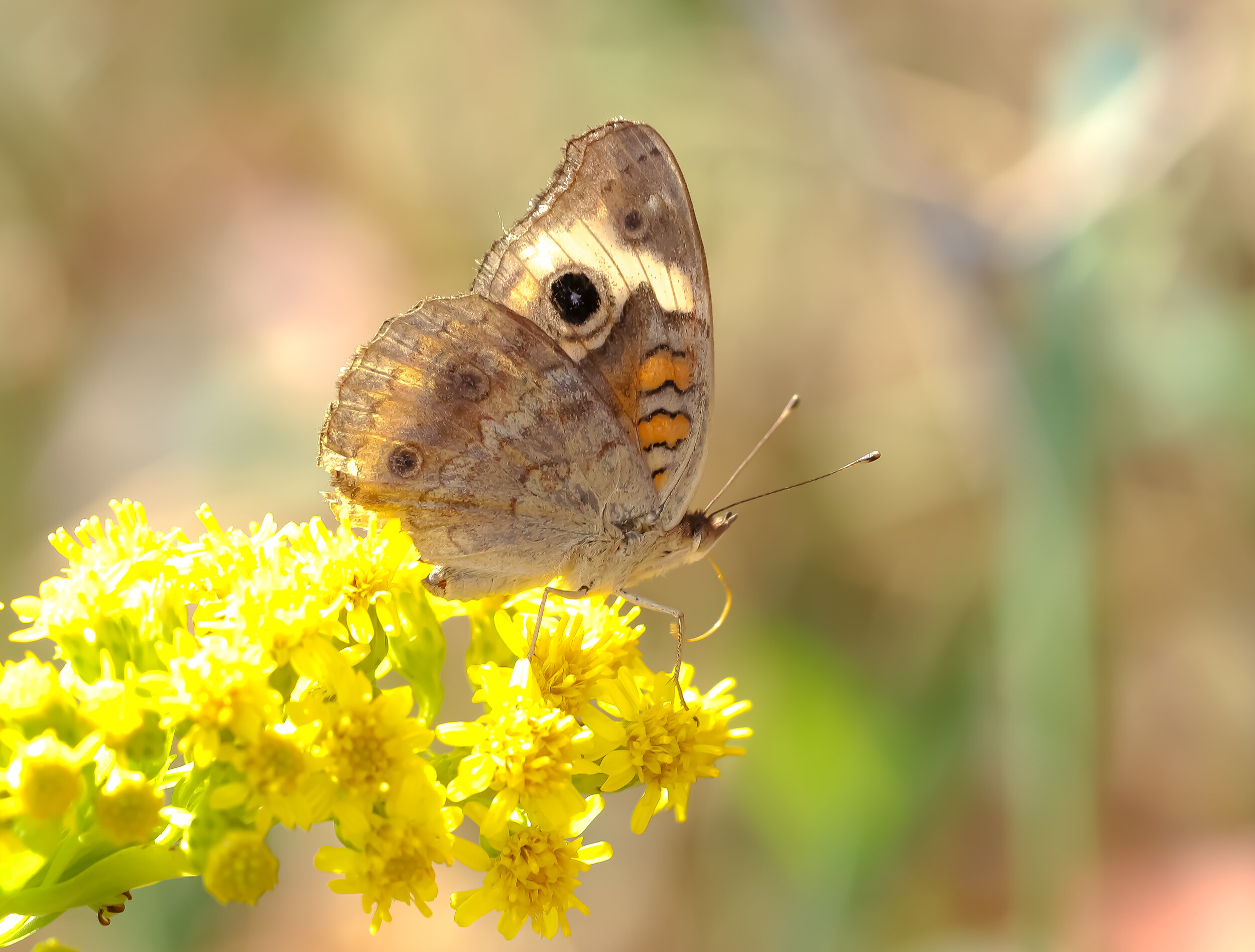
Junonia coenia
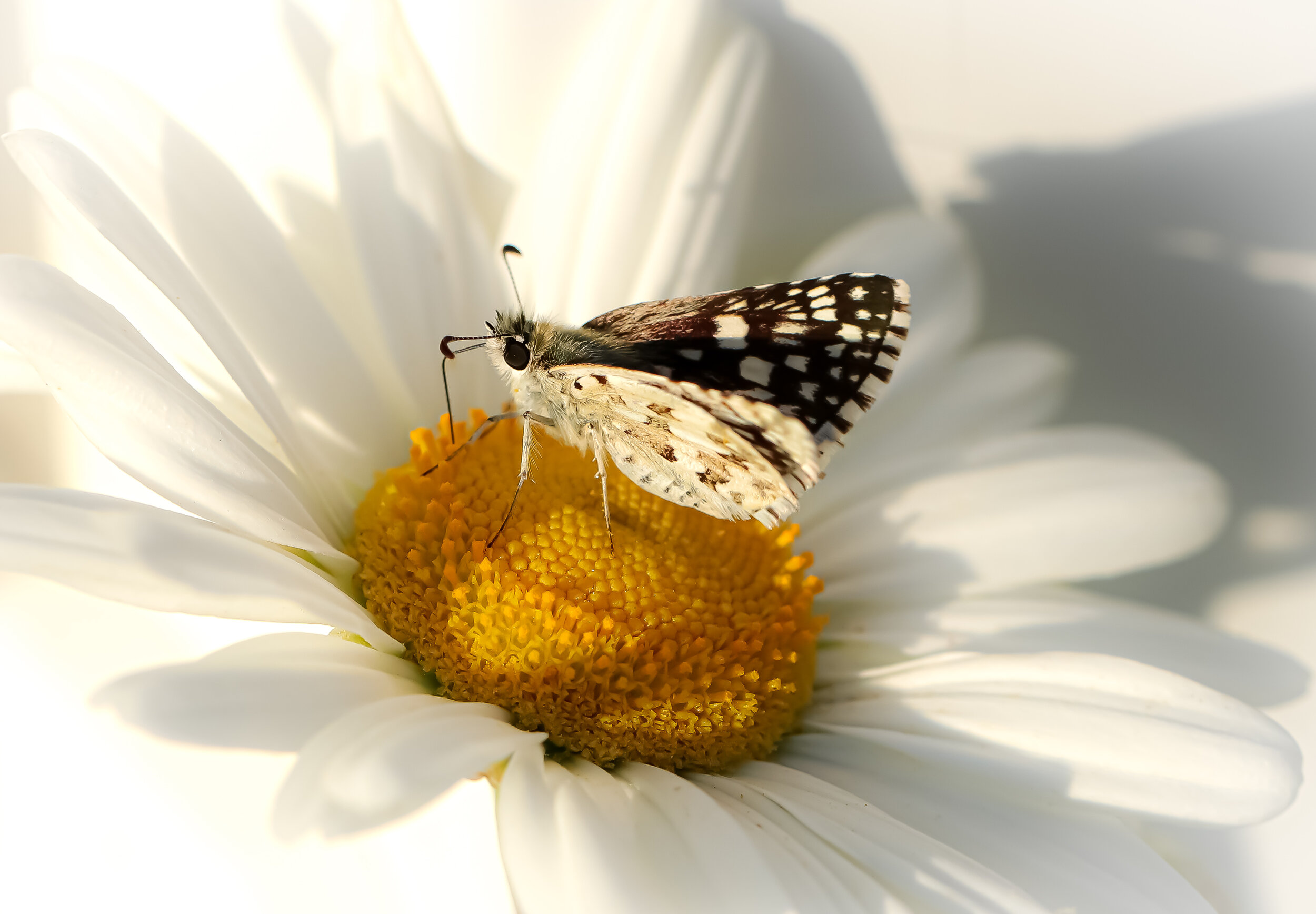
Pyrgus communis
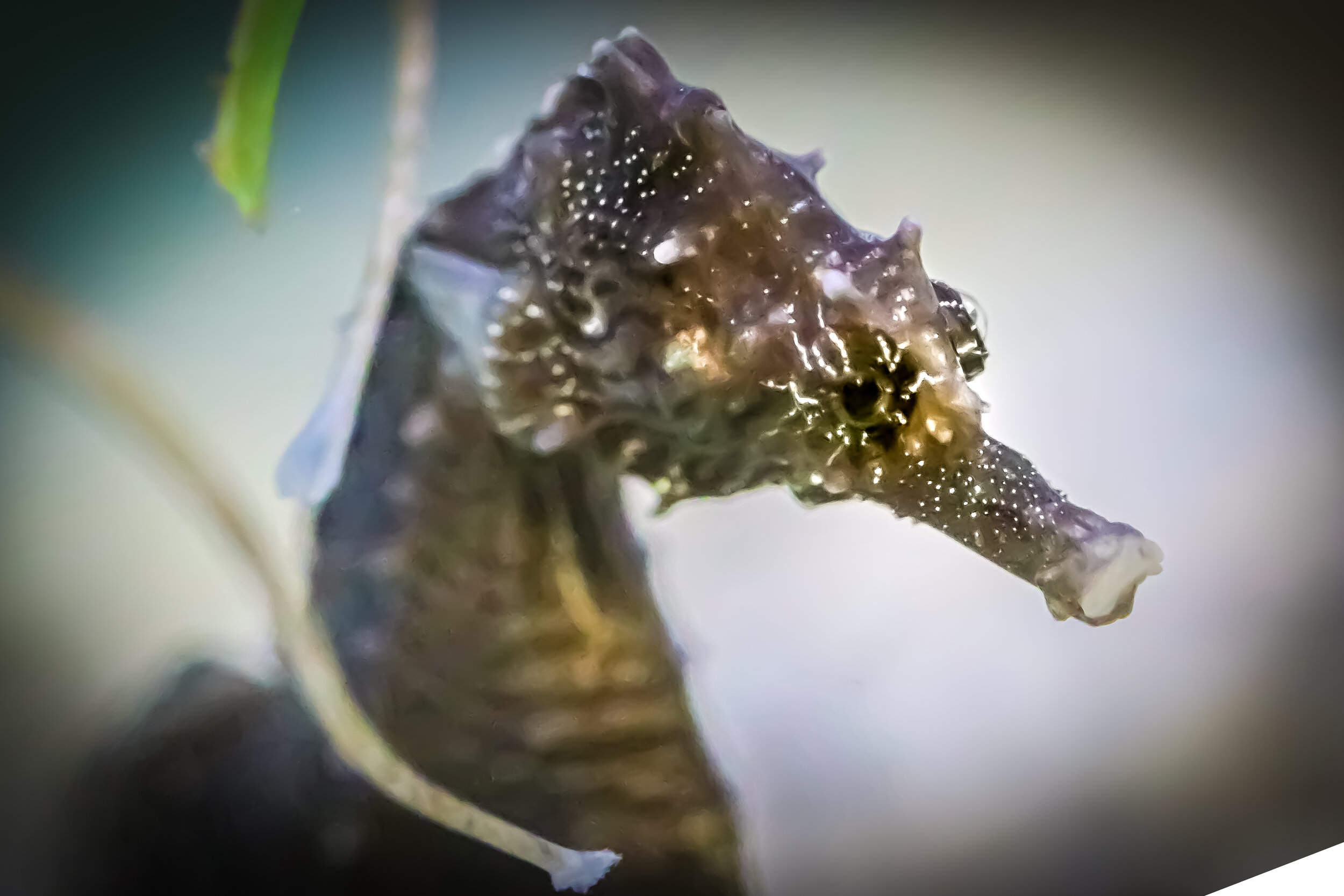
Hippocampus erectus
Clathria prolifera
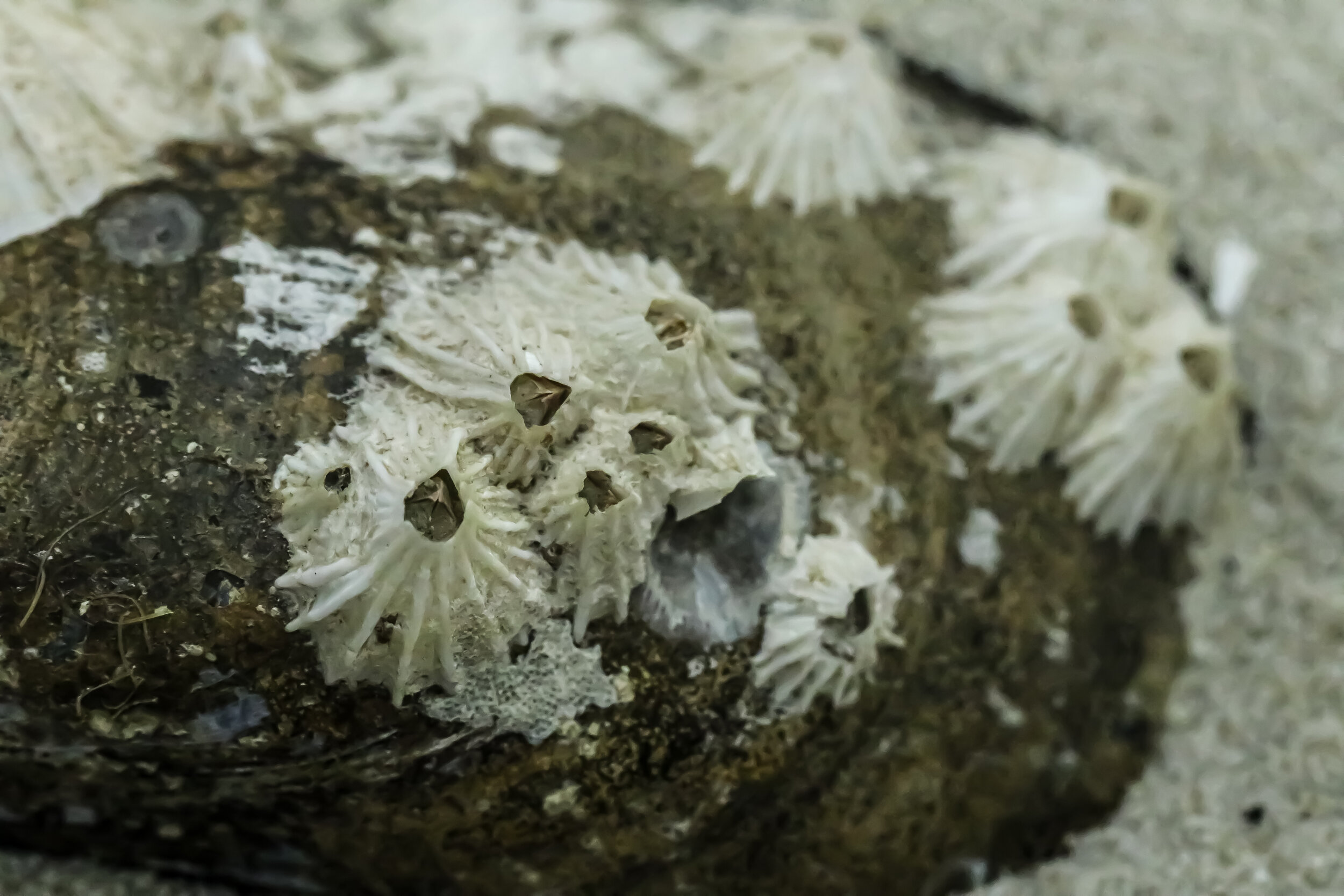
Balanus balanoides
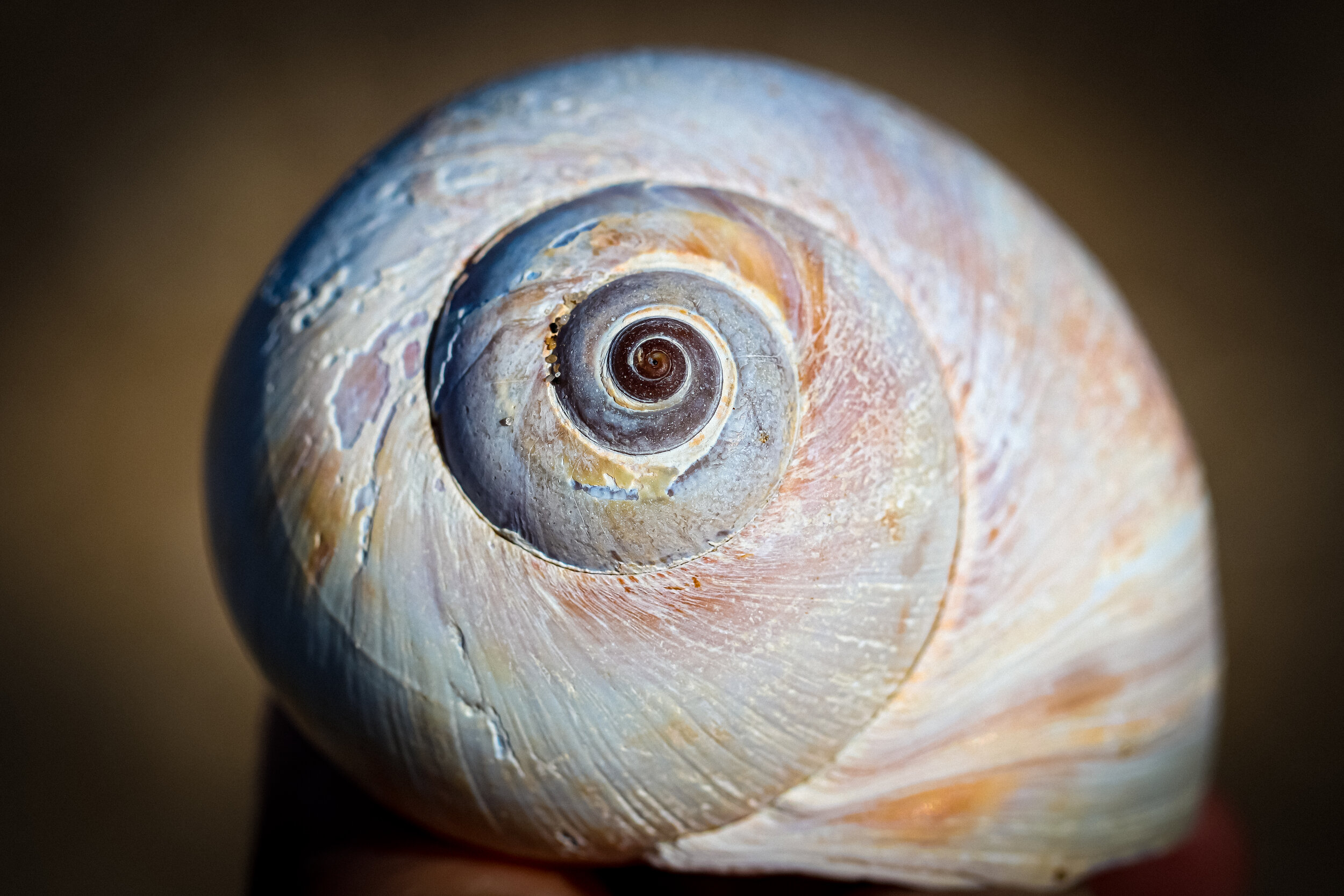
Polinices heros
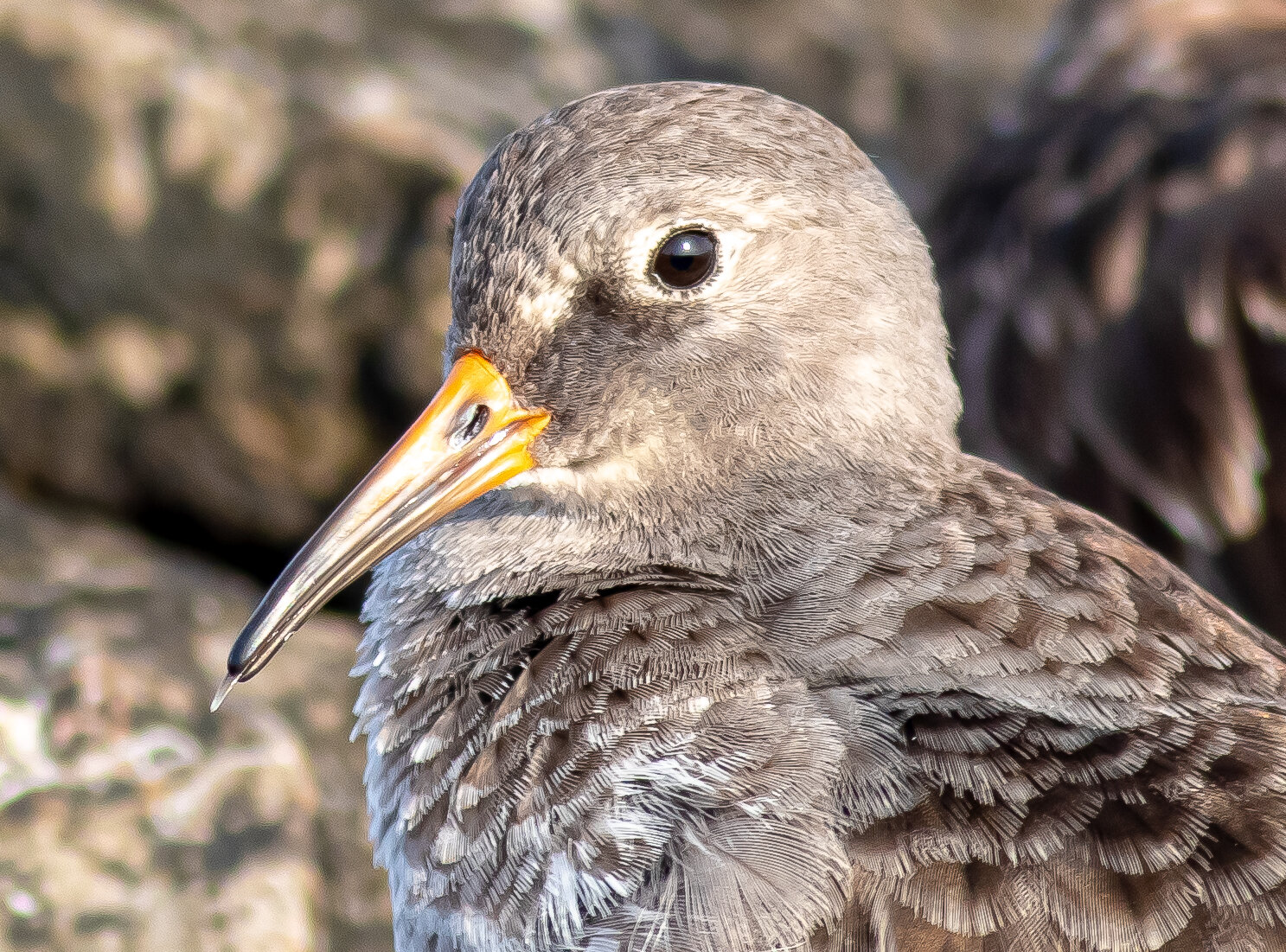
Calidris maritima
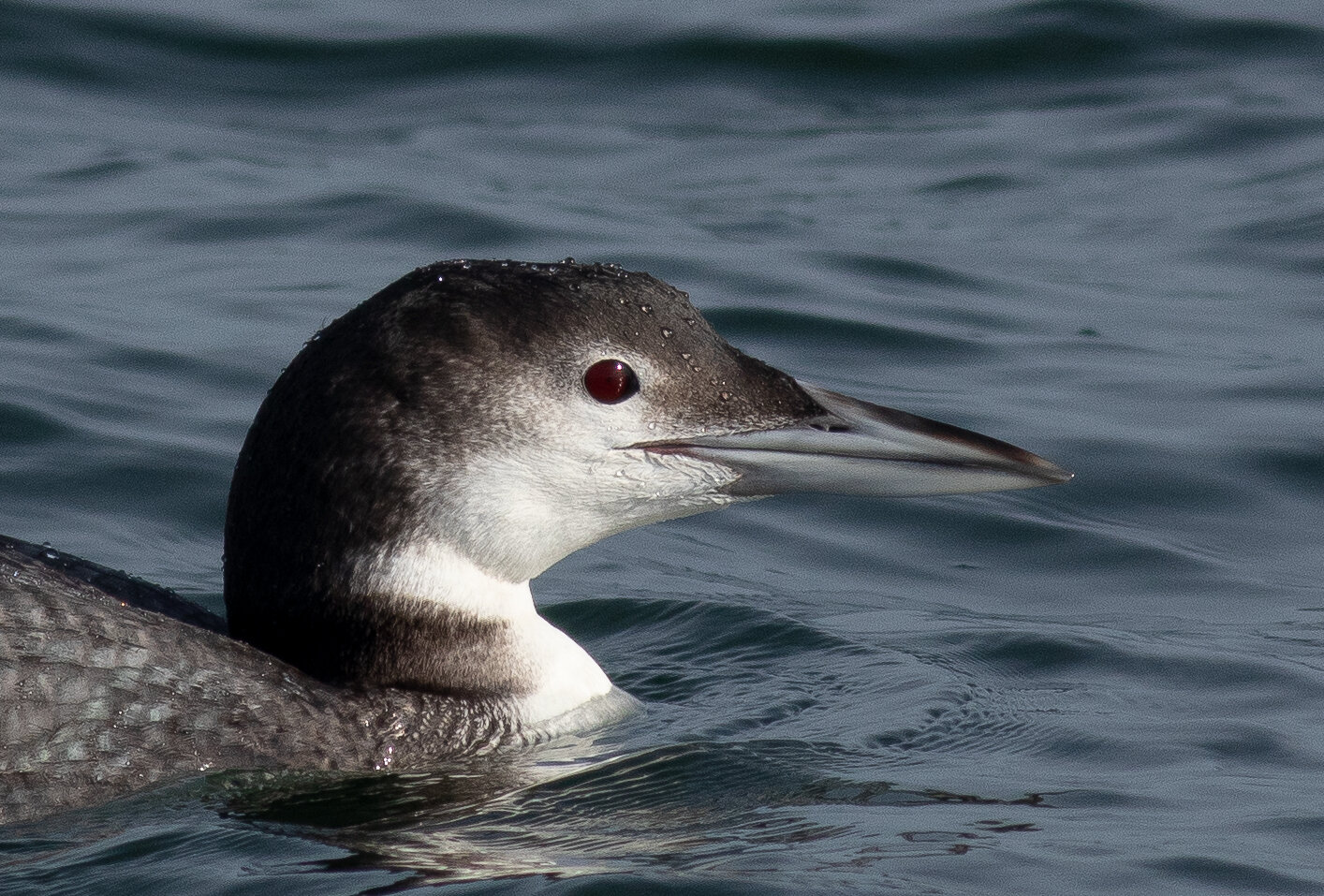
Gavia immer
Ghost crabs are mysterious and unusual sand crabs. They are not always easy to see by a causal beach walker. The crabs are renowned as one of the fastest land crabs, capable of reaching speeds up to 10mph, earning them the nickname "swift-footed" (Ocypode) for their rapid scurrying on sandy beaches to escape predators like gulls, owls and herons. A remarkable activity I think for an animal that walks sideways.